
You're growing in this Zip Code:
Change LocationDiscover Plants for Your Area
Colonel Firey Camellia
Camellia japonica 'Colonel Firey'
Pronunciation: kuh-MEE-lee-uh juh-PON-ih-kuh
SKU #01671
LIGHT:
Filtered sun, Full shade, Partial shade, Partial sun
WATER:
Water when top 3 inches of soil is dry.
SIZE:
Slow growing; reaches 6 to 8 ft. tall and wide, or larger with age.

Retailers Near You
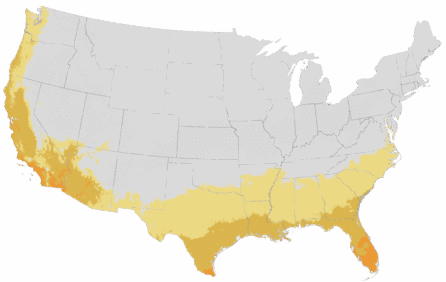
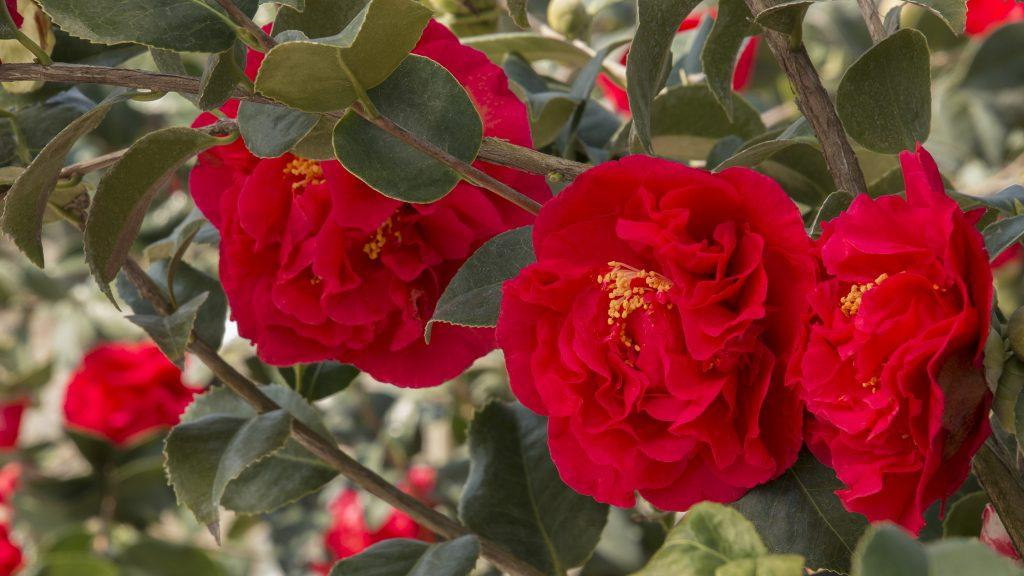

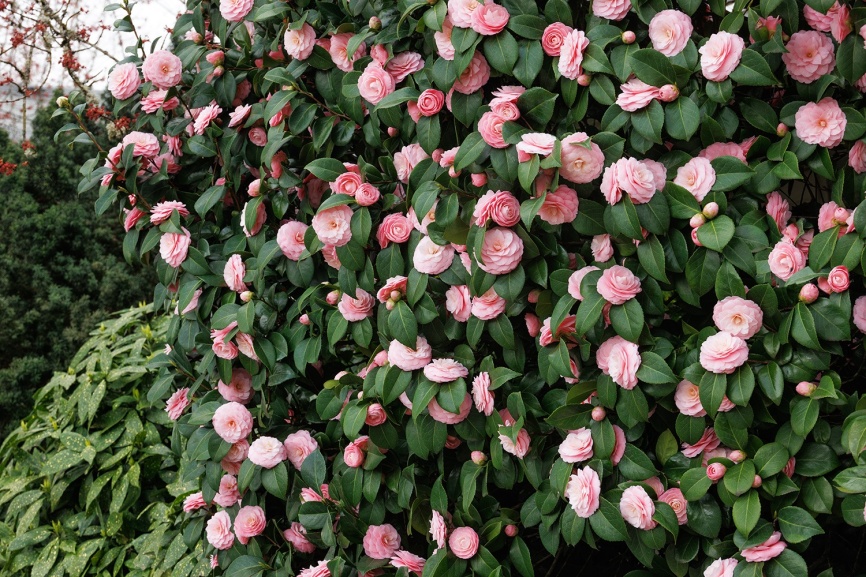
| Description | Spectacular, formal, dark red blooms that are very large in size brighten the garden from winter to mid-spring. Flowers make a great contrast with the glossy, dark green foliage. A prized plant for milder regions. Evergreen. |
|---|---|
| Bloom Time | Winter through mid-spring |
| Deciduous/Evergreen | Evergreen |
| Special Features | Non-toxic to Cats and Dogs |
| Growth Rate | Slow |
| Growth Habit | Upright |
| Flower Attributes | Flowers for Cutting, Showy Flowers |
| Landscape Use | Border, Container, Espalier |
| Design Ideas | This sharp red camellia deserves a place in high profile foundation plantings or around outdoor living spaces in the backyard. Use it against a bare wall where it has room to grow, spread and bloom properly. Makes a fine plant under large, old shade trees with filtered canopies. May be inserted into sideyards for short range window view or integrated into large shrub beds with other acid loving plants. Does exceptionally well beneath conifers where the acidic litter is most compatible. |
| Flower Color | Red |
| Foliage Color | Dark Green |
| Companion Plants | Group this intense red camellia with earlier blooming Sasanqua Camellias and later blooming Ice Angel Camellias. It's a natural with other shade and acid loving plants in a woodland understory like Bleeding Heart, Lungwort, Hydrangea, and Coral Bells. |
| Care Instructions | Provide organically rich, well-drained, acidic soil. Keep roots cool with a thick layer of mulch. Water deeply and regularly during the first growing season to establish an extensive root system; reduce frequency, once established. Prune lightly to shape and feed with an acid fertilizer after flowering. |
| History | Camellias are native to eastern and southern Asia. C. japonica was imported into the Philippines but is native to China, Japan, Korea and Taiwan. The genus Camellia was named by Carolus Linnaeus who named it for a Jesuit missionary Georg Kamel, who cultivated an important garden of local medicinal plants on the Philippine Island of Luzon in the 17th century. Colonel Firey originated in Massachusetts in 1878 from unrecorded parentage. Red camellias are a symbol of wealth and white Camellias signify loveliness. Camellias represent longevity and faithfulness and have long been a primary floral component in Asian weddings. |
Details
| Description | Spectacular, formal, dark red blooms that are very large in size brighten the garden from winter to mid-spring. Flowers make a great contrast with the glossy, dark green foliage. A prized plant for milder regions. Evergreen. |
|---|---|
| Bloom Time | Winter through mid-spring |
| Deciduous/Evergreen | Evergreen |
| Special Features | Non-toxic to Cats and Dogs |
| Growth Rate | Slow |
| Growth Habit | Upright |
| Flower Attributes | Flowers for Cutting, Showy Flowers |
Style
| Landscape Use | Border, Container, Espalier |
|---|---|
| Design Ideas | This sharp red camellia deserves a place in high profile foundation plantings or around outdoor living spaces in the backyard. Use it against a bare wall where it has room to grow, spread and bloom properly. Makes a fine plant under large, old shade trees with filtered canopies. May be inserted into sideyards for short range window view or integrated into large shrub beds with other acid loving plants. Does exceptionally well beneath conifers where the acidic litter is most compatible. |
| Flower Color | Red |
| Foliage Color | Dark Green |
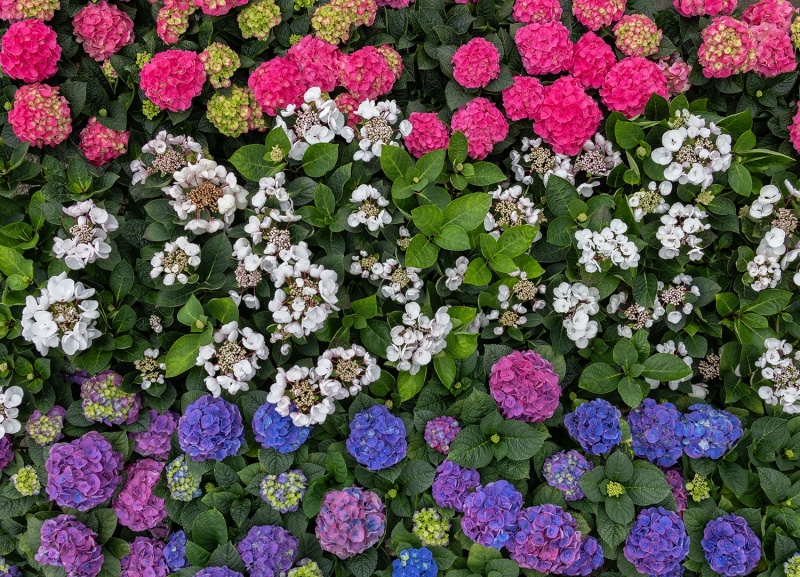
| Companion Plants | Group this intense red camellia with earlier blooming Sasanqua Camellias and later blooming Ice Angel Camellias. It's a natural with other shade and acid loving plants in a woodland understory like Bleeding Heart, Lungwort, Hydrangea, and Coral Bells. |
Care
| Care Instructions | Provide organically rich, well-drained, acidic soil. Keep roots cool with a thick layer of mulch. Water deeply and regularly during the first growing season to establish an extensive root system; reduce frequency, once established. Prune lightly to shape and feed with an acid fertilizer after flowering. |
|---|
History
| History | Camellias are native to eastern and southern Asia. C. japonica was imported into the Philippines but is native to China, Japan, Korea and Taiwan. The genus Camellia was named by Carolus Linnaeus who named it for a Jesuit missionary Georg Kamel, who cultivated an important garden of local medicinal plants on the Philippine Island of Luzon in the 17th century. Colonel Firey originated in Massachusetts in 1878 from unrecorded parentage. Red camellias are a symbol of wealth and white Camellias signify loveliness. Camellias represent longevity and faithfulness and have long been a primary floral component in Asian weddings. |
|---|
Retailers Near You
About Us
We have been pioneers and craftsmen in the art of growing plants for 100 years. Since our founding in Southern California by Harry E. Rosedale, Sr. in 1926, we have been absolutely dedicated and obsessed with quality.
We have been pioneers and craftsmen in the art of growing plants for nearly 100 years. Since our founding in Southern California by Harry E. Rosedale, Sr. in 1926, we have been absolutely dedicated and obsessed with quality.