
You're growing in this Zip Code:
Change LocationDiscover Plants for Your Area
Compact Tanyosho Japanese Red Pine
Pinus densiflora 'Umbraculifera Compacta'
Pronunciation: PY-nus DEN-sih-floor-uh
SKU #06578
LIGHT:
Full sun
WATER:
Water when top 2 inches of soil is dry.
SIZE:
Slow growing; reaches 12 ft. tall, 18 ft. wide.

Retailers Near You
| Description | A very attractive, small tree that naturally develops a flat-topped, umbrella-like silhouette. Features red brown bark and dense, bright green needles. A low maintenance focal point that will add visual interest and texture to the landscape. The compact form is ideal for smaller areas. Evergreen. |
|---|---|
| Bloom Time | Conifer; prized for foliage. |
| Deciduous/Evergreen | Evergreen |
| Special Features | Attractive Bark, Easy Care, Compact Form, Benefits Birds |
| Problems/Solutions | Deer Resistant, Rabbit Resistant |
| Growth Rate | Slow |
| Landscape Use | Container, Suitable for Topiary |
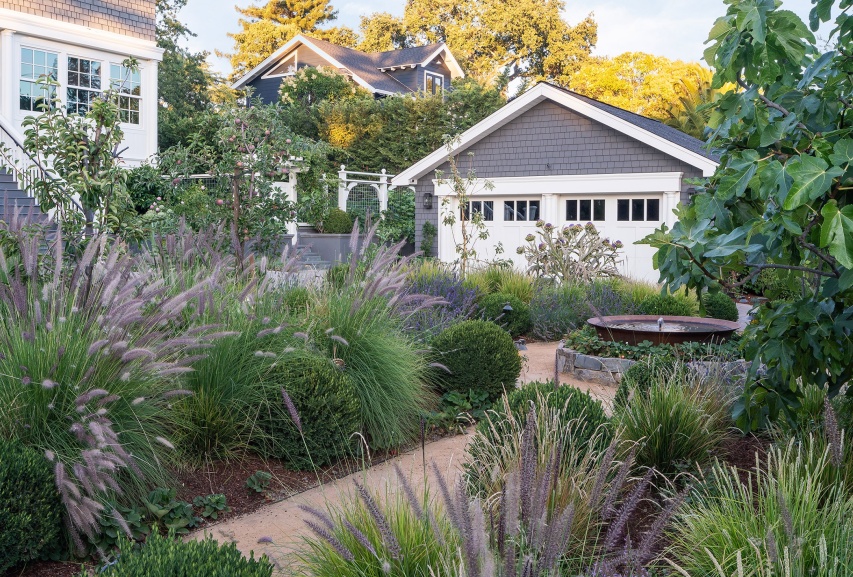
| Design Ideas | This Pine is the perfect size for courtyards that need a low-maintenance focal point. Also does well in windswept coastal conditions. Multiple trunks and irregular growth is great for view lots that need visual relief without sacrificing the panorama. This beauty is gorgeous silhouetted by the rising or setting sun. Makes a fine specimen in the Asian garden or in Mediterranean schemes. Particularly attractive with landscape boulders and dry streambeds. |
| Foliage Color | Green |
| Companion Plants | Japanese Maple (Acer); Rhododendron (Rhododendron); Lily of the Valley Shrub (Pieris); Winter Daphne (Daphne); Astilbe (Astilbe) |
| Care Instructions | Grows best in slightly acidic, well-drained soil. Water deeply, regularly in the first few growing seasons to establish an extensive root system; once established, reduce frequency. Feed with a general purpose fertilizer before new growth begins in spring. Prune semi-annually to maintain shape and structure. |
| History | This is a very dwarf form of an outstanding Asian native pine that was first collected by Philipp von Siebold 1796-1866. He was physician with the Dutch East India Company in Japan from 1826 to 1830, and collected the first large group of plants from that island to be introduced to the west. His classification effort was assisted by Joseph Zuccarini, 1797-1848 of Munich, Germany. Plants were not introduced into the west until a bit later in 1854. This dwarf subspecies, 'Umbraculifera' was classified by another German, Heinrich Mayr, 1856-1911, and introduced in 1890. Its other common name is Japanese Umbrella Pine to describe its lower broad headed growth habit to just 20 feet, and 'Compacta' further dwarfs the tree to just 12 feet tall. |
Details
| Description | A very attractive, small tree that naturally develops a flat-topped, umbrella-like silhouette. Features red brown bark and dense, bright green needles. A low maintenance focal point that will add visual interest and texture to the landscape. The compact form is ideal for smaller areas. Evergreen. |
|---|---|
| Bloom Time | Conifer; prized for foliage. |
| Deciduous/Evergreen | Evergreen |
| Special Features | Attractive Bark, Easy Care, Compact Form, Benefits Birds |
| Problems/Solutions | Deer Resistant, Rabbit Resistant |
| Growth Rate | Slow |
Style
| Landscape Use | Container, Suitable for Topiary |
|---|---|
| Design Ideas | This Pine is the perfect size for courtyards that need a low-maintenance focal point. Also does well in windswept coastal conditions. Multiple trunks and irregular growth is great for view lots that need visual relief without sacrificing the panorama. This beauty is gorgeous silhouetted by the rising or setting sun. Makes a fine specimen in the Asian garden or in Mediterranean schemes. Particularly attractive with landscape boulders and dry streambeds. |
| Foliage Color | Green |
| Companion Plants | Japanese Maple (Acer); Rhododendron (Rhododendron); Lily of the Valley Shrub (Pieris); Winter Daphne (Daphne); Astilbe (Astilbe) |
Care
| Care Instructions | Grows best in slightly acidic, well-drained soil. Water deeply, regularly in the first few growing seasons to establish an extensive root system; once established, reduce frequency. Feed with a general purpose fertilizer before new growth begins in spring. Prune semi-annually to maintain shape and structure. |
|---|
History
| History | This is a very dwarf form of an outstanding Asian native pine that was first collected by Philipp von Siebold 1796-1866. He was physician with the Dutch East India Company in Japan from 1826 to 1830, and collected the first large group of plants from that island to be introduced to the west. His classification effort was assisted by Joseph Zuccarini, 1797-1848 of Munich, Germany. Plants were not introduced into the west until a bit later in 1854. This dwarf subspecies, 'Umbraculifera' was classified by another German, Heinrich Mayr, 1856-1911, and introduced in 1890. Its other common name is Japanese Umbrella Pine to describe its lower broad headed growth habit to just 20 feet, and 'Compacta' further dwarfs the tree to just 12 feet tall. |
|---|
Retailers Near You
About Us
We have been pioneers and craftsmen in the art of growing plants for 100 years. Since our founding in Southern California by Harry E. Rosedale, Sr. in 1926, we have been absolutely dedicated and obsessed with quality.
We have been pioneers and craftsmen in the art of growing plants for nearly 100 years. Since our founding in Southern California by Harry E. Rosedale, Sr. in 1926, we have been absolutely dedicated and obsessed with quality.