
You're growing in this Zip Code:
Change LocationDiscover Plants for Your Area
Crown of Bohemia Hibiscus
Hibiscus rosa-sinensis 'Crown of Bohemia'
Pronunciation: hi-BIS-kus ROH-zuh si-NEN-sis
SKU #04103
LIGHT:
Full sun
WATER:
Keep soil consistently moist.
SIZE:
Moderate growing; reaches 8 to 10 ft. tall, 4 to 6 ft. wide.

Retailers Near You
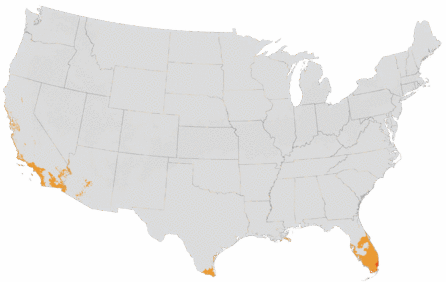
| Description | A beautiful shrub valued for its golden yellow, fully double blooms with deep orange-red throats and lush, glossy green foliage. Summertime blooms create a very showy accent specimen. Adds tropical flair to containers for patios and courtyards. A frost-tender evergreen. |
|---|---|
| Bloom Time | Summer; nearly year-round in mild climates. |
| Deciduous/Evergreen | Evergreen |
| Special Features | Non-toxic to Cats and Dogs, Attracts Pollinators |
| Problems/Solutions | Coastal Exposure |
| Growth Rate | Moderate |
| Growth Habit | Rounded |
| Flower Attributes | Flowers for Cutting, Long Bloom Season, Showy Flowers |
| Landscape Use | Border, Container, Espalier |
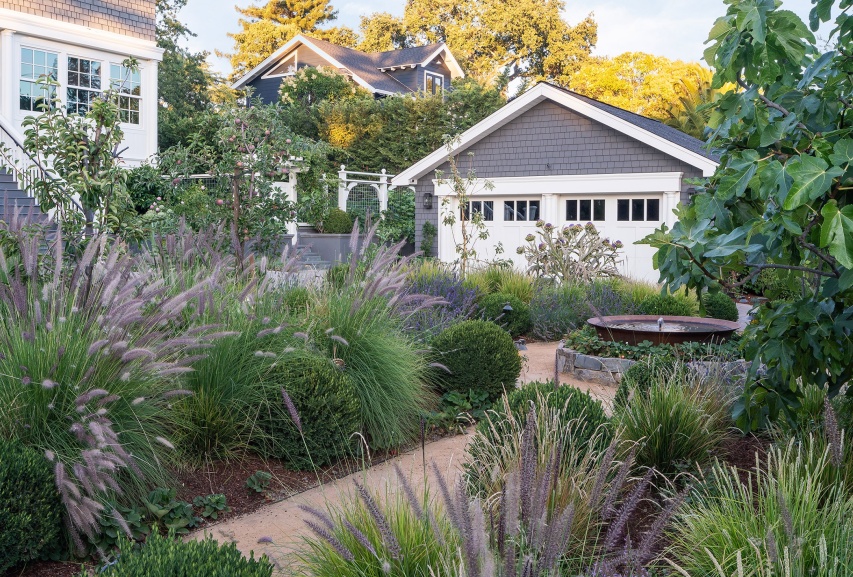
| Design Ideas | Plant next to patios, entries and in courtyards, where its beauty can be accentuated with flowers beneath and vines overhead. With its glossy, dense foliage, this Hibiscus creates a solid hedge or screen. Plant as a specimen to highlight entries or gateways. Very good choice against cream-colored plaster or stucco walls. A good cover for unsightly side yard fences and spaces between windows. Most charming when trained into a patio tree and planted in large pots stuffed with annual color. |
| Flower Color | Yellow |
| Foliage Color | Green |
| Companion Plants | Fountain Grass (Pennisetum); Lantana (Lantana); Princess Flower (Tibouchina); Mandevilla (Mandevilla); Plumbago (Plumbago) |
| Care Instructions | Thrives in well-drained, enriched soils with neutral to slightly acidic pH. Water deeply and regularly during the first growing season to establish an extensive root system; reduce frequency once established. Apply a general fertilizer before new growth begins in spring. For a formal appearance, prune annually after flowering. |
| History | The genus Hibiscus contains over 200 species from around the world. It was named from the Latin for rose of China, pointing to its place of origin in southeast Asia where plants were found in the literature as early as 295 BC. All early descriptions indicate the first plants bore red flowers, with the other colors the result of breeding. It was introduced into Europe in 1731. |
| Lore | It was French impressionist painter Paul Gauguin who so often depicted this flower in Tahitian scenes. |
Details
| Description | A beautiful shrub valued for its golden yellow, fully double blooms with deep orange-red throats and lush, glossy green foliage. Summertime blooms create a very showy accent specimen. Adds tropical flair to containers for patios and courtyards. A frost-tender evergreen. |
|---|---|
| Bloom Time | Summer; nearly year-round in mild climates. |
| Deciduous/Evergreen | Evergreen |
| Special Features | Non-toxic to Cats and Dogs, Attracts Pollinators |
| Problems/Solutions | Coastal Exposure |
| Growth Rate | Moderate |
| Growth Habit | Rounded |
| Flower Attributes | Flowers for Cutting, Long Bloom Season, Showy Flowers |
Style
| Landscape Use | Border, Container, Espalier |
|---|---|
| Design Ideas | Plant next to patios, entries and in courtyards, where its beauty can be accentuated with flowers beneath and vines overhead. With its glossy, dense foliage, this Hibiscus creates a solid hedge or screen. Plant as a specimen to highlight entries or gateways. Very good choice against cream-colored plaster or stucco walls. A good cover for unsightly side yard fences and spaces between windows. Most charming when trained into a patio tree and planted in large pots stuffed with annual color. |
| Flower Color | Yellow |
| Foliage Color | Green |
| Companion Plants | Fountain Grass (Pennisetum); Lantana (Lantana); Princess Flower (Tibouchina); Mandevilla (Mandevilla); Plumbago (Plumbago) |
Care
| Care Instructions | Thrives in well-drained, enriched soils with neutral to slightly acidic pH. Water deeply and regularly during the first growing season to establish an extensive root system; reduce frequency once established. Apply a general fertilizer before new growth begins in spring. For a formal appearance, prune annually after flowering. |
|---|
History
| History | The genus Hibiscus contains over 200 species from around the world. It was named from the Latin for rose of China, pointing to its place of origin in southeast Asia where plants were found in the literature as early as 295 BC. All early descriptions indicate the first plants bore red flowers, with the other colors the result of breeding. It was introduced into Europe in 1731. |
|---|---|
| Lore | It was French impressionist painter Paul Gauguin who so often depicted this flower in Tahitian scenes. |
Retailers Near You
About Us
We have been pioneers and craftsmen in the art of growing plants for 100 years. Since our founding in Southern California by Harry E. Rosedale, Sr. in 1926, we have been absolutely dedicated and obsessed with quality.
We have been pioneers and craftsmen in the art of growing plants for nearly 100 years. Since our founding in Southern California by Harry E. Rosedale, Sr. in 1926, we have been absolutely dedicated and obsessed with quality.