
You're growing in this Zip Code:
Discover Plants for Your Area

Dallas Blues Switch Grass
Panicum virgatum 'Dallas Blues'
SKU #00567
LIGHT:
Full sun, Partial sun
WATER:
Water when top 2 inches of soil is dry.
SIZE:
Upright clump of pendant foliage 5 ft. tall and wide.

Retailers Near You
Ready to Grow?
Ship Monrovia plants directly to your door. Browse a curated selection available online.
Shop Now >This Plant's Growing Zones: 4-9
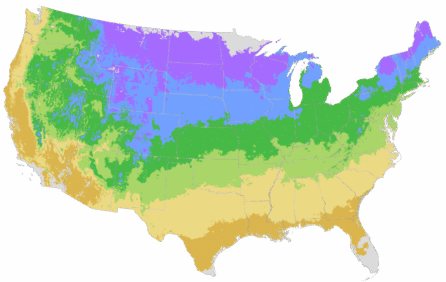
Your USDA Cold Hardiness Zone:
| Description | Carefree and colorful native grass for multi-season beauty. Wide, powder-blue leaves backdrop large, airy reddish purple plumes that emerge in early autumn and are stunning in cut arrangements. The seed heads persist to provide winter interest and food for birds. A showy accent, or plant en masse for dramatic effect. |
|---|---|
| Bloom Time | Summer |
| Deciduous/Evergreen | Herbaceous |
| Special Features | Dramatic Foliage Color, Waterwise, Benefits Birds |
| Problems/Solutions | Coastal Exposure, Deer Resistant, Erosion Control, Black Walnut Tolerant |
| Growth Rate | Moderate |
| Growth Habit | Clumping |
| Flower Attributes | Showy Plumes |
| Patent Act | Asexual reproduction of plants protected by the Plant Patent Act is prohibited during the life of the patent. |
| Landscape Use | Hillside |
| Design Ideas | A big bold grass to spot into a dull bed or border to add interest and animation. Outstanding generously integrated into wild gardens, meadow edges and prairies. Lush appearance is also suited to modern architecture in masses both irregular and geometric. Drifts and irregular clumps are ideal for rustic home sites. |
| Flower Color | Red |
| Foliage Color | Blue-green |
| Companion Plants | Barberry (Berberis); Black-Eyed Susan (Rudbeckia); Potentilla (Potentilla); Weigela (Weigela); Aster (Aster) |
| Care Instructions | Thrives in lean, sandy to clay soils but tolerates a wide range of moisture and soil conditions. May flop in overly rich soils. Water regularly during the first growing season to establish a deep, extensive root system. Forms clumps; may slowly spread by rhizomes. Cut back to the ground in late winter to early spring. |
| History | This species is native to North American prairies, woods and marshes except for California and the west coast. A component of the now lost tallgrass prairie. This cold hardy variety was selected by Ken and Linda Smith of Change of Scenery Nursery in Columbus, Ohio. This cultivar is noted for its superb gray to blue-green foliage, unusually large flower panicles, late flowering habit and rich winter foliage color. |
| Lore | This grass is a vital component of the American prairie where a wide range of wildlife thrives within its dense thatch and feeds upon the foliage and seeds. |
Details
| Description | Carefree and colorful native grass for multi-season beauty. Wide, powder-blue leaves backdrop large, airy reddish purple plumes that emerge in early autumn and are stunning in cut arrangements. The seed heads persist to provide winter interest and food for birds. A showy accent, or plant en masse for dramatic effect. |
|---|---|
| Bloom Time | Summer |
| Deciduous/Evergreen | Herbaceous |
| Special Features | Dramatic Foliage Color, Waterwise, Benefits Birds |
| Problems/Solutions | Coastal Exposure, Deer Resistant, Erosion Control, Black Walnut Tolerant |
| Growth Rate | Moderate |
| Growth Habit | Clumping |
| Flower Attributes | Showy Plumes |
| Patent Act | Asexual reproduction of plants protected by the Plant Patent Act is prohibited during the life of the patent. |
Style
| Landscape Use | Hillside |
|---|---|
| Design Ideas | A big bold grass to spot into a dull bed or border to add interest and animation. Outstanding generously integrated into wild gardens, meadow edges and prairies. Lush appearance is also suited to modern architecture in masses both irregular and geometric. Drifts and irregular clumps are ideal for rustic home sites. |
| Flower Color | Red |
| Foliage Color | Blue-green |
| Companion Plants | Barberry (Berberis); Black-Eyed Susan (Rudbeckia); Potentilla (Potentilla); Weigela (Weigela); Aster (Aster) |
Care
| Care Instructions | Thrives in lean, sandy to clay soils but tolerates a wide range of moisture and soil conditions. May flop in overly rich soils. Water regularly during the first growing season to establish a deep, extensive root system. Forms clumps; may slowly spread by rhizomes. Cut back to the ground in late winter to early spring. |
|---|
History
| History | This species is native to North American prairies, woods and marshes except for California and the west coast. A component of the now lost tallgrass prairie. This cold hardy variety was selected by Ken and Linda Smith of Change of Scenery Nursery in Columbus, Ohio. This cultivar is noted for its superb gray to blue-green foliage, unusually large flower panicles, late flowering habit and rich winter foliage color. |
|---|---|
| Lore | This grass is a vital component of the American prairie where a wide range of wildlife thrives within its dense thatch and feeds upon the foliage and seeds. |
Retailers Near You
About Us
We have been pioneers and craftsmen in the art of growing plants for 100 years. Since our founding in Southern California by Harry E. Rosedale, Sr. in 1926, we have been absolutely dedicated and obsessed with quality.
We have been pioneers and craftsmen in the art of growing plants for nearly 100 years. Since our founding in Southern California by Harry E. Rosedale, Sr. in 1926, we have been absolutely dedicated and obsessed with quality.