You're growing in this Zip Code:
Change LocationDiscover Plants for Your Area
David Viburnum
Viburnum davidii
Pronunciation: vy-BER-num da-VID-ee-eye
SKU #07420
LIGHT:
Full sun, Partial sun
WATER:
Water when top 2 inches of soil is dry.
SIZE:
Moderate growing; reaches 2 to 3 ft. tall, 3 to 4 ft. wide.

Home Delivery Price
?
- Arrives in 3 to 7 days
- Free shipping on orders over $99
- Perfect Start Promise
Select Quantity
Retailers Near You
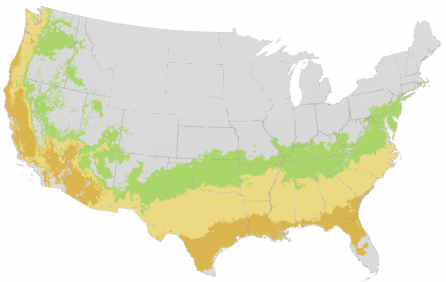
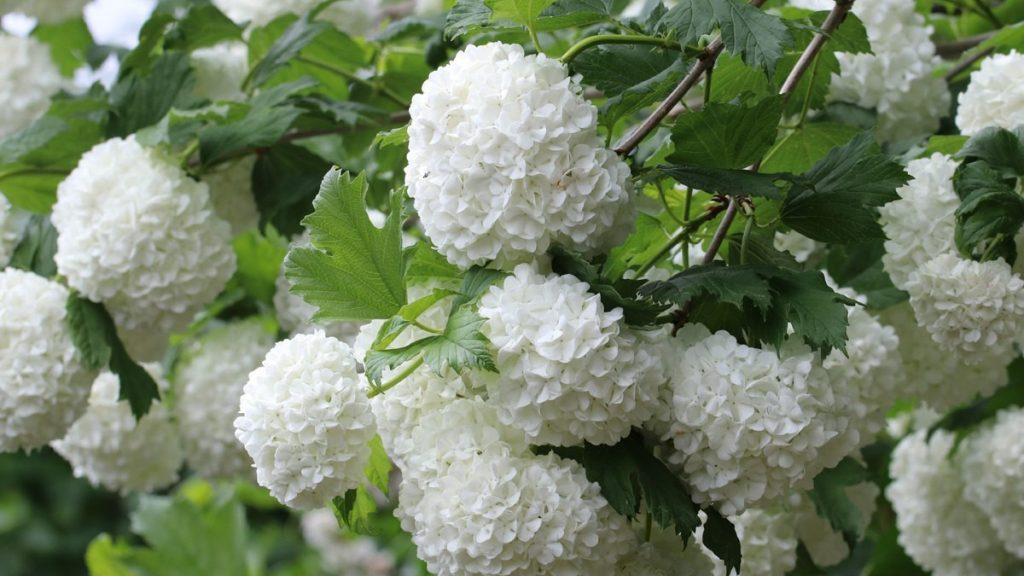
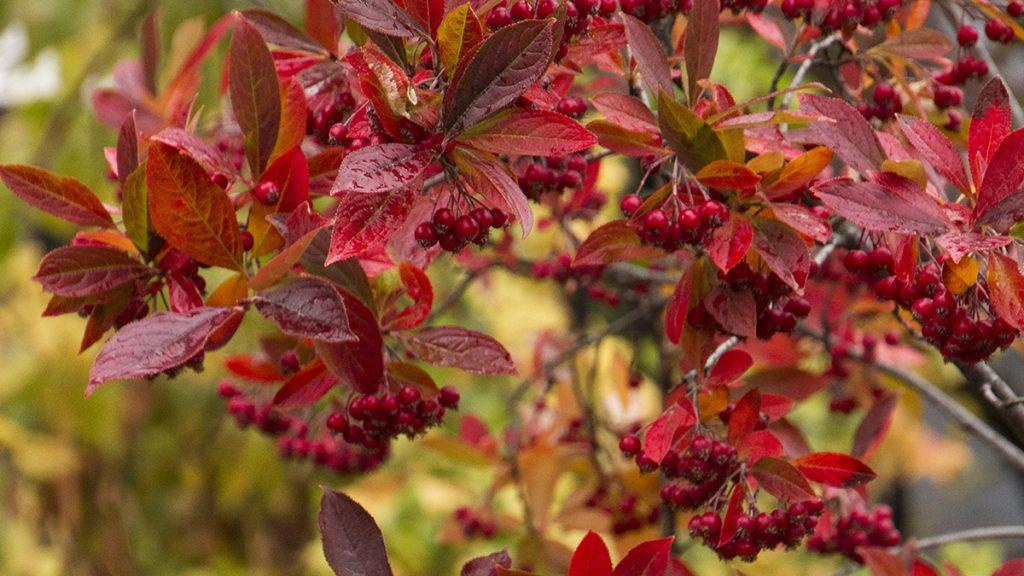
| Description | A showy, low-growing, compact, evergreen to semi-evergreen shrub valued for its glossy dark green leaves and metallic turquoise blue fruit. Planting two or more plants will ensure good cross-pollination for consistent berry production. Use to create a low hedge or as a foundation shrub with ferns, azaleas and other acid-loving plants. |
|---|---|
| Bloom Time | Spring flowers, followed by fall fruit. |
| Deciduous/Evergreen | Evergreen |
| Special Features | Ornamental Berries, Compact Form, Benefits Birds |
| Problems/Solutions | Drought Tolerant |
| Growth Rate | Moderate |
| Flower Attributes | Showy Flowers |
| Landscape Use | Border, Hedge, Poolside, Ground Cover |
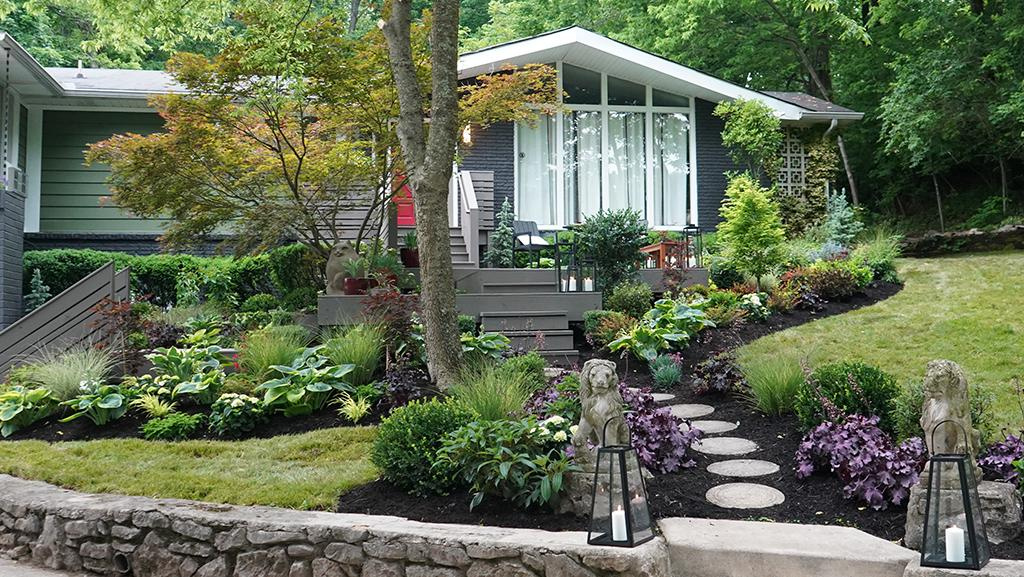
| Design Ideas | The metallic blue fruit of this small evergreen shrub is a fine, showy characteristic. Plant a row along the front walk or use a small group as an accent next to the door where you will be able to enjoy the year-round handsome look. |
| Flower Color | White |
| Foliage Color | Green |
| Companion Plants | Magnolia (Magnolia); Azalea (Azalea); Hosta (Hosta); Astilbe (Astilbe); Beautyberry (Callicarpa) |
| Care Instructions | Provide organically rich, moist, well-drained soil. Water deeply and regularly during the first growing season to establish an extensive root system. Once established, reduce frequency; prefers consistent moisture but tolerates mild drought. Feed with an acid fertilizer after bloom. Keep roots cool with a thick layer of mulch. |
Details
| Description | A showy, low-growing, compact, evergreen to semi-evergreen shrub valued for its glossy dark green leaves and metallic turquoise blue fruit. Planting two or more plants will ensure good cross-pollination for consistent berry production. Use to create a low hedge or as a foundation shrub with ferns, azaleas and other acid-loving plants. |
|---|---|
| Bloom Time | Spring flowers, followed by fall fruit. |
| Deciduous/Evergreen | Evergreen |
| Special Features | Ornamental Berries, Compact Form, Benefits Birds |
| Problems/Solutions | Drought Tolerant |
| Growth Rate | Moderate |
| Flower Attributes | Showy Flowers |
Style
| Landscape Use | Border, Hedge, Poolside, Ground Cover |
|---|---|
| Design Ideas | The metallic blue fruit of this small evergreen shrub is a fine, showy characteristic. Plant a row along the front walk or use a small group as an accent next to the door where you will be able to enjoy the year-round handsome look. |
| Flower Color | White |
| Foliage Color | Green |
| Companion Plants | Magnolia (Magnolia); Azalea (Azalea); Hosta (Hosta); Astilbe (Astilbe); Beautyberry (Callicarpa) |
Care
| Care Instructions | Provide organically rich, moist, well-drained soil. Water deeply and regularly during the first growing season to establish an extensive root system. Once established, reduce frequency; prefers consistent moisture but tolerates mild drought. Feed with an acid fertilizer after bloom. Keep roots cool with a thick layer of mulch. |
|---|
Frequently asked questions
Does David Viburnum produce flowers?
Spring flowers, followed by fall fruit.
Is David Viburnum evergreen or deciduous?
David Viburnum is Evergreen.
What are the special features of David Viburnum?
David Viburnum is Ornamental Berries, Compact Form, Benefits Birds.
Is David Viburnum resistant to pests or animals?
Drought Tolerant
How fast does David Viburnum grow?
David Viburnum has a Moderate growth rate.
Where can I use David Viburnum in my landscape?
David Viburnum is suitable for: Border, Hedge, Poolside, Ground Cover.
How can I use David Viburnum in my garden design?
The metallic blue fruit of this small evergreen shrub is a fine, showy characteristic. Plant a row along the front walk or use a small group as an accent next to the door where you will be able to enjoy the year-round handsome look.
What color are David Viburnum flowers?
David Viburnum produces White flowers.
What color is the foliage of David Viburnum?
David Viburnum has Green foliage.
What plants grow well with David Viburnum?
Good companion plants for David Viburnum include: Magnolia (Magnolia); Azalea (Azalea); Hosta (Hosta); Astilbe (Astilbe); Beautyberry (Callicarpa).
How do I care for David Viburnum?
Provide organically rich, moist, well-drained soil. Water deeply and regularly during the first growing season to establish an extensive root system. Once established, reduce frequency; prefers consistent moisture but tolerates mild drought. Feed with an acid fertilizer after bloom. Keep roots cool with a thick layer of mulch.
Retailers Near You
About Us
We have been pioneers and craftsmen in the art of growing plants for 100 years. Since our founding in Southern California by Harry E. Rosedale, Sr. in 1926, we have been absolutely dedicated and obsessed with quality.
We have been pioneers and craftsmen in the art of growing plants for nearly 100 years. Since our founding in Southern California by Harry E. Rosedale, Sr. in 1926, we have been absolutely dedicated and obsessed with quality.