
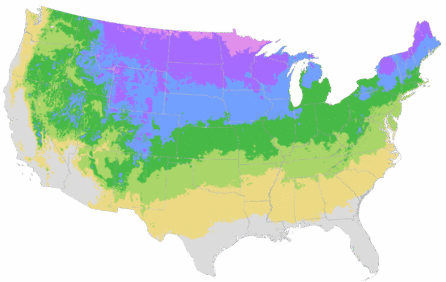
You're growing in this Zip Code:
Change LocationDiscover Plants for Your Area
Degroot's Spire Arborvitae
Thuja occidentalis 'Degroot's Spire'
Pronunciation: THOO-yuh ok-sih-den-TAY-liss
SKU #07281
LIGHT:
Full sun, Partial sun
WATER:
Water when top 2 inches of soil is dry.
SIZE:
Slow growing; reaches 20 ft. tall, 4 to 5 ft. wide.

Retailers Near You
| Description | A beautiful, tall, narrow form, perfect to plant between buildings. The rich green foliage takes on a purple cast in winter. Its twisted texture on the pyramidal form tolerates shearing nicely, for a more tailored column. Cold hardy and reliable. Ideal as matched pairs or planted in multiples for an attractive screen. Evergreen. |
|---|---|
| Bloom Time | Conifer; prized for foliage. |
| Deciduous/Evergreen | Evergreen |
| Special Features | Dramatic Foliage Color, Easy Care, Benefits Birds |
| Problems/Solutions | Coastal Exposure, Very Wet Areas |
| Growth Rate | Slow |
| Growth Habit | Pyramidal |
| Landscape Use | Container, Privacy Screen, Windbreak |
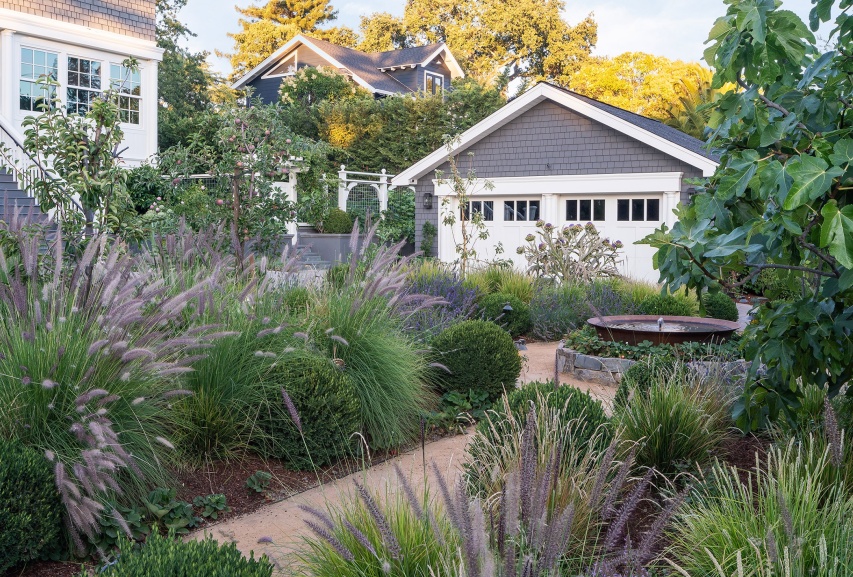
| Design Ideas | A valuable hardy alternative to cypress. Produces a fine columnar form used in rows, pairs or as a single specimen. Perfect for an evergreen privacy screen or rich background for water features and art. Performs well in the wet, low lying areas of your garden or natural swamps and bogs. Place in paired containers as a formal statement to an entry or drive. |
| Foliage Color | Green |
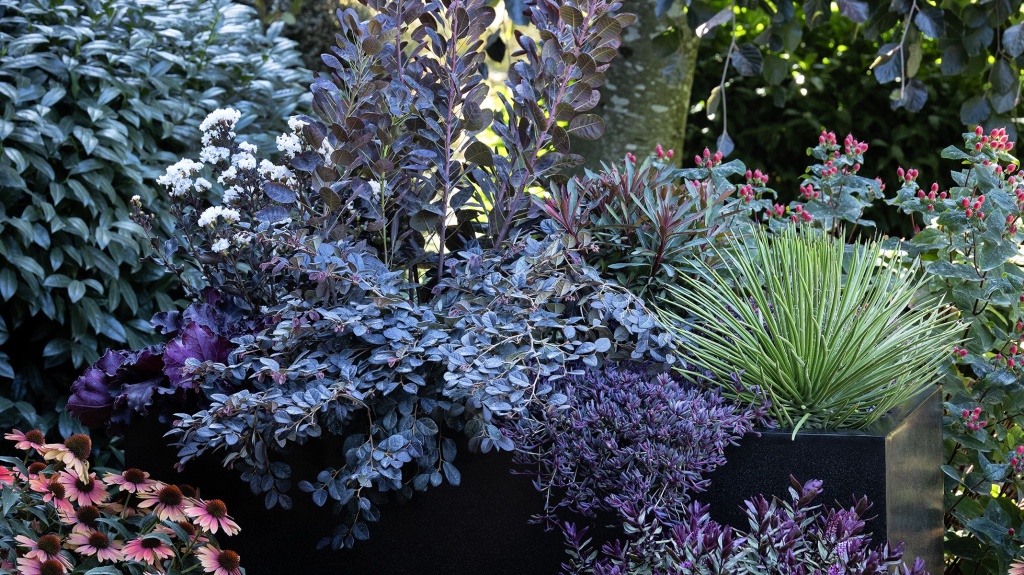
| Companion Plants | Smoke Tree (Cotinus); Spirea (Spiraea); Rose (Rosa); Hydrangea (Hydrangea); Daylily (Hemerocallis) |
| Care Instructions | Thrives in deep, enriched, evenly moist, well-drained soil; dislikes dry conditions. Mulch around root zone to conserve moisture. Shelter from harsh, drying winds. Water deeply and regularly during first few growing seasons to establish an extensive root system. Fertilize and prune to shape in early spring. |
| History | These conifers are members of the cypress family which includes many ornamental and timber genera. The common name is Arborvitae or Tree-of-Life due to its evergreen quality in the face of adversity as well as the medicinal properties of its sap, bark and twigs. There are five species native to North America and Eastern Asia with only three of these in cultivation. T. occidentalis is probably the most widely cultivated and is indigenous to a large range in eastern North America, most notably in wet forests and swamps. It was first cultivated in 1534 and the oldest known living specimen is thought to be over 1000 years old. This plant is attractive to deer who like to feast on the soft, winter foliage. |
Details
| Description | A beautiful, tall, narrow form, perfect to plant between buildings. The rich green foliage takes on a purple cast in winter. Its twisted texture on the pyramidal form tolerates shearing nicely, for a more tailored column. Cold hardy and reliable. Ideal as matched pairs or planted in multiples for an attractive screen. Evergreen. |
|---|---|
| Bloom Time | Conifer; prized for foliage. |
| Deciduous/Evergreen | Evergreen |
| Special Features | Dramatic Foliage Color, Easy Care, Benefits Birds |
| Problems/Solutions | Coastal Exposure, Very Wet Areas |
| Growth Rate | Slow |
| Growth Habit | Pyramidal |
Style
| Landscape Use | Container, Privacy Screen, Windbreak |
|---|---|
| Design Ideas | A valuable hardy alternative to cypress. Produces a fine columnar form used in rows, pairs or as a single specimen. Perfect for an evergreen privacy screen or rich background for water features and art. Performs well in the wet, low lying areas of your garden or natural swamps and bogs. Place in paired containers as a formal statement to an entry or drive. |
| Foliage Color | Green |
| Companion Plants | Smoke Tree (Cotinus); Spirea (Spiraea); Rose (Rosa); Hydrangea (Hydrangea); Daylily (Hemerocallis) |
Care
| Care Instructions | Thrives in deep, enriched, evenly moist, well-drained soil; dislikes dry conditions. Mulch around root zone to conserve moisture. Shelter from harsh, drying winds. Water deeply and regularly during first few growing seasons to establish an extensive root system. Fertilize and prune to shape in early spring. |
|---|
History
| History | These conifers are members of the cypress family which includes many ornamental and timber genera. The common name is Arborvitae or Tree-of-Life due to its evergreen quality in the face of adversity as well as the medicinal properties of its sap, bark and twigs. There are five species native to North America and Eastern Asia with only three of these in cultivation. T. occidentalis is probably the most widely cultivated and is indigenous to a large range in eastern North America, most notably in wet forests and swamps. It was first cultivated in 1534 and the oldest known living specimen is thought to be over 1000 years old. This plant is attractive to deer who like to feast on the soft, winter foliage. |
|---|
Retailers Near You
About Us
We have been pioneers and craftsmen in the art of growing plants for 100 years. Since our founding in Southern California by Harry E. Rosedale, Sr. in 1926, we have been absolutely dedicated and obsessed with quality.
We have been pioneers and craftsmen in the art of growing plants for nearly 100 years. Since our founding in Southern California by Harry E. Rosedale, Sr. in 1926, we have been absolutely dedicated and obsessed with quality.