
You're growing in this Zip Code:
Discover Plants for Your Area
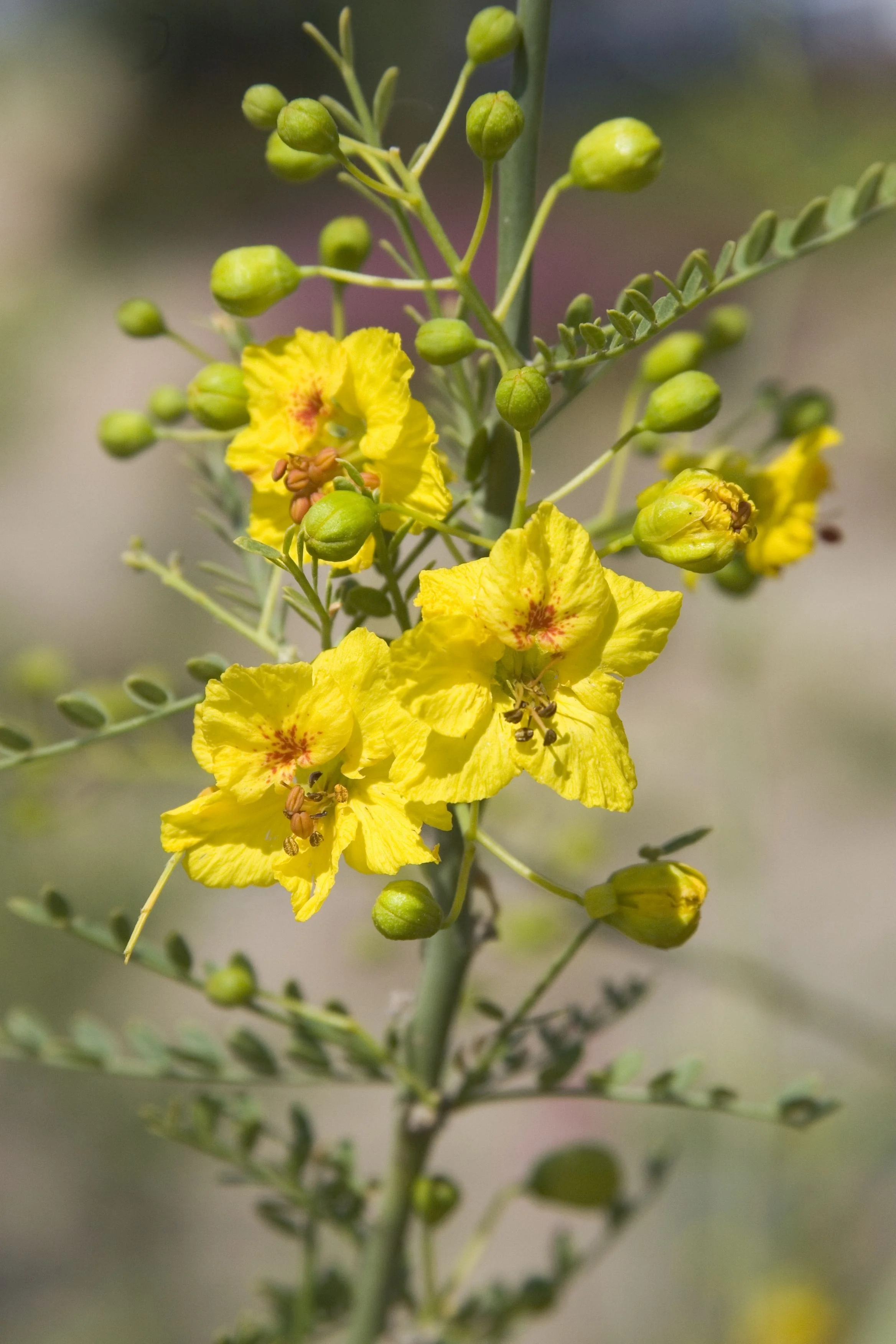
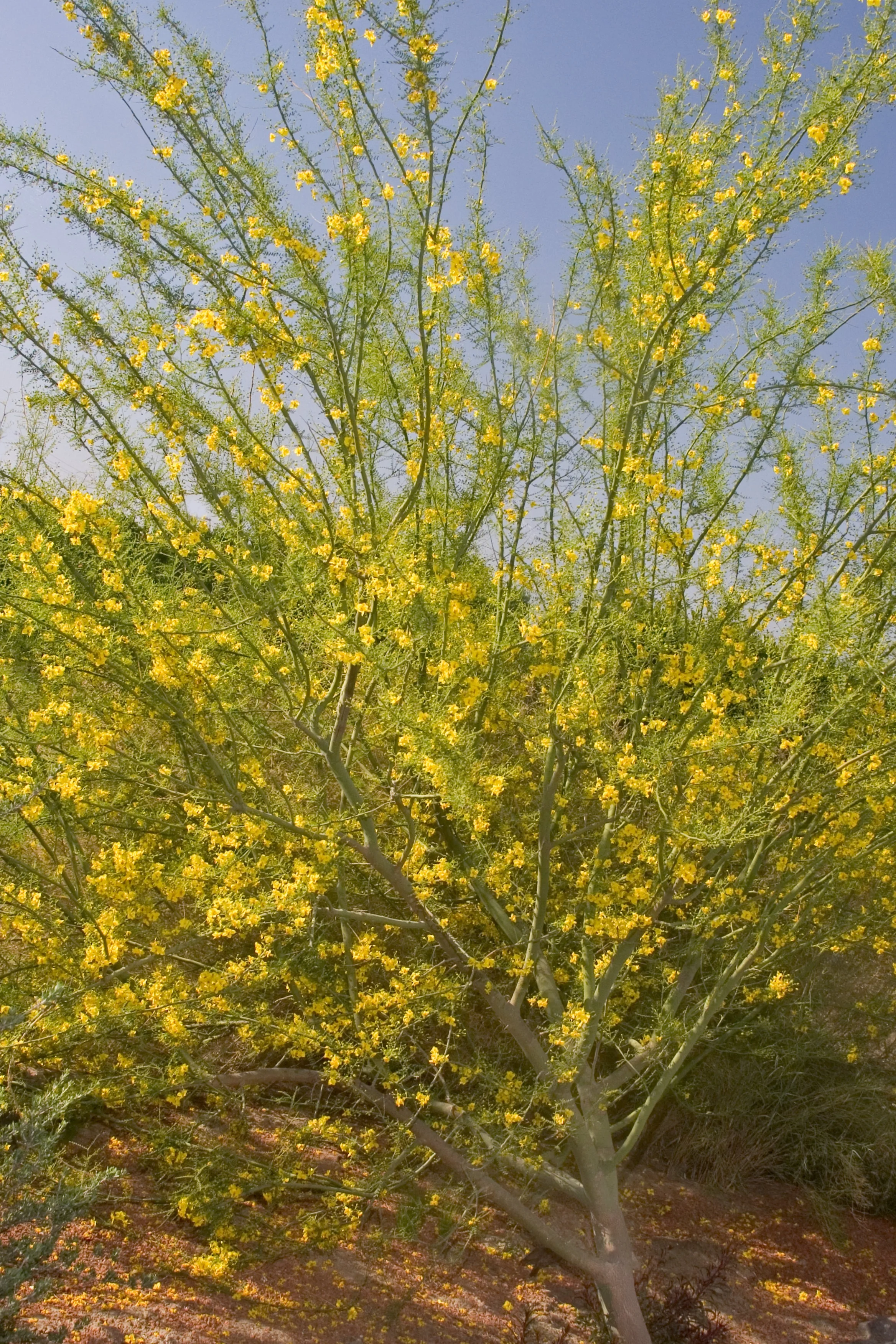
Desert Museum Palo Verde
Cercidium x 'Desert Museum'
Pronunciation: ser-SID-ee-um
SKU #03483
LIGHT:
Full sun
WATER:
Once established, water occasionally.
SIZE:
Fast grower to 25 ft. tall and wide.

Retailers Near You
Ready to Grow?
Ship Monrovia plants directly to your door. Browse a curated selection available online.
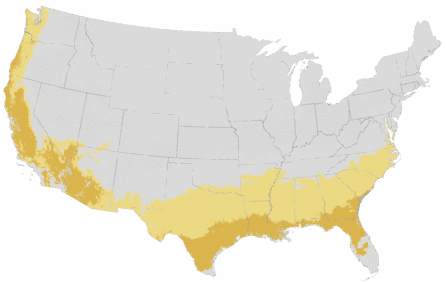
Shop Now >This Plant's Growing Zones: 8-9
Your USDA Cold Hardiness Zone:
| Description | This gorgeous, thornless hybrid makes a fine, upright shade tree. Large yellow blossoms give a dazzling display of color in the spring, lasting longer than any other in the species. May re-bloom in summer if given supplemental water. After the foliage falls, the trunk and stems remain green, providing year-round interest. Produces very few seedpods. |
|---|---|
| Bloom Time | Spring |
| Deciduous/Evergreen | Deciduous |
| Special Features | Waterwise |
| Growth Rate | Fast |
| Growth Habit | Upright |
| Flower Attributes | Showy Flowers |
| Landscape Use | Accent |
| Flower Color | Yellow |
| Foliage Color | Green |
| Care Instructions | Requires well-drained soil. Water regularly and deeply during the first growing season to establish an extensive root system. Drought tolerant when established. Prune for shape and structure after flowering. |
| History | This unique tree is the discovery of Mark Dimmitt of the Arizona-Sonora Desert Museum. Grown from seed collected by Dimmitt in 1979, it was the only standout among the first generation seedlings. The selection grew into an exceptional tree with the vigorous and sturdy upright branching habit and intense yellow flowers of the Mexican palo verde (Parkinsonia aculeate) and the finely-textured leaves of the Cercidium species. Most remarkable is its complete absence of thorns. Genetic analysis revealed that it is a hybrid, the result of pollination by a blue palo verde (P. Florida, formerly Cercidium florida) with genetic characteristics from both Mexican and foothill species. The original tree was cutting-propagated and gained popularity in Tuscon and the Southwest. By 2005 'Desert Museum' was being touted by horticulturists as an ideal drought-tolerant landscape tree combining the best features of its parents. |
| Lore | Native to the Sonoran Desert, the palo verde tree is Arizona's official state tree. Two species share this title: blue palo verde (Parkinsonia Florida) and foothill palo verde (P. microphylla). |
Details
| Description | This gorgeous, thornless hybrid makes a fine, upright shade tree. Large yellow blossoms give a dazzling display of color in the spring, lasting longer than any other in the species. May re-bloom in summer if given supplemental water. After the foliage falls, the trunk and stems remain green, providing year-round interest. Produces very few seedpods. |
|---|---|
| Bloom Time | Spring |
| Deciduous/Evergreen | Deciduous |
| Special Features | Waterwise |
| Growth Rate | Fast |
| Growth Habit | Upright |
| Flower Attributes | Showy Flowers |
Style
| Landscape Use | Accent |
|---|---|
| Flower Color | Yellow |
| Foliage Color | Green |
Care
| Care Instructions | Requires well-drained soil. Water regularly and deeply during the first growing season to establish an extensive root system. Drought tolerant when established. Prune for shape and structure after flowering. |
|---|
History
| History | This unique tree is the discovery of Mark Dimmitt of the Arizona-Sonora Desert Museum. Grown from seed collected by Dimmitt in 1979, it was the only standout among the first generation seedlings. The selection grew into an exceptional tree with the vigorous and sturdy upright branching habit and intense yellow flowers of the Mexican palo verde (Parkinsonia aculeate) and the finely-textured leaves of the Cercidium species. Most remarkable is its complete absence of thorns. Genetic analysis revealed that it is a hybrid, the result of pollination by a blue palo verde (P. Florida, formerly Cercidium florida) with genetic characteristics from both Mexican and foothill species. The original tree was cutting-propagated and gained popularity in Tuscon and the Southwest. By 2005 'Desert Museum' was being touted by horticulturists as an ideal drought-tolerant landscape tree combining the best features of its parents. |
|---|---|
| Lore | Native to the Sonoran Desert, the palo verde tree is Arizona's official state tree. Two species share this title: blue palo verde (Parkinsonia Florida) and foothill palo verde (P. microphylla). |
Retailers Near You
About Us
We have been pioneers and craftsmen in the art of growing plants for 100 years. Since our founding in Southern California by Harry E. Rosedale, Sr. in 1926, we have been absolutely dedicated and obsessed with quality.
We have been pioneers and craftsmen in the art of growing plants for nearly 100 years. Since our founding in Southern California by Harry E. Rosedale, Sr. in 1926, we have been absolutely dedicated and obsessed with quality.