
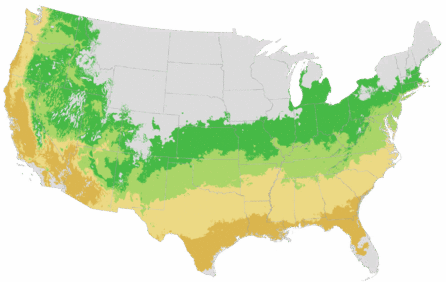
You're growing in this Zip Code:
Change LocationDiscover Plants for Your Area
Dreamland Rhododendron
Rhododendron x 'Dreamland' (Yakushima hybrid) (H-3)
Pronunciation: roh-doh-DEN-dron
SKU #00931
LIGHT:
Filtered sun, Partial shade, Partial sun
WATER:
Keep soil moist, but not soggy.
SIZE:
Moderate growing; reaches 4 ft. tall and wide.

Retailers Near You
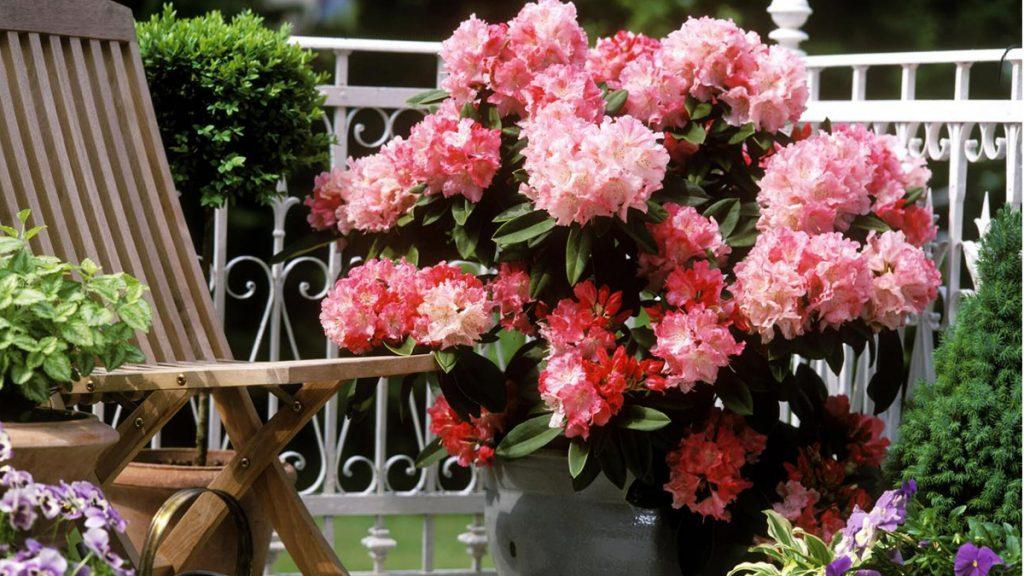

| Description | A dense-growing evergreen shrub valued for its large trusses of showy, soft pink flowers. Prefers cooler regions, but some protection from winter wind is helpful. Wonderful for use as a container specimen, accent plant, a flowering hedge, or in mass plantings. |
|---|---|
| Bloom Time | Late spring |
| Deciduous/Evergreen | Evergreen |
| Special Features | Attracts Hummingbirds, Easy Care, Attracts Pollinators |
| Problems/Solutions | Tolerates Urban Pollution |
| Growth Rate | Moderate |
| Growth Habit | Rounded |
| Flower Attributes | Showy Flowers |
| Landscape Use | Border, Container, Hedge |
| Design Ideas | Exceptional shrub for foundation planting where intense color is appreciated at high profile locations. Ideal cover up for exposed legs of deciduous shrubs. Thrives in open planting areas under high canopy shade trees. |
| Flower Color | Pink |
| Foliage Color | Green |
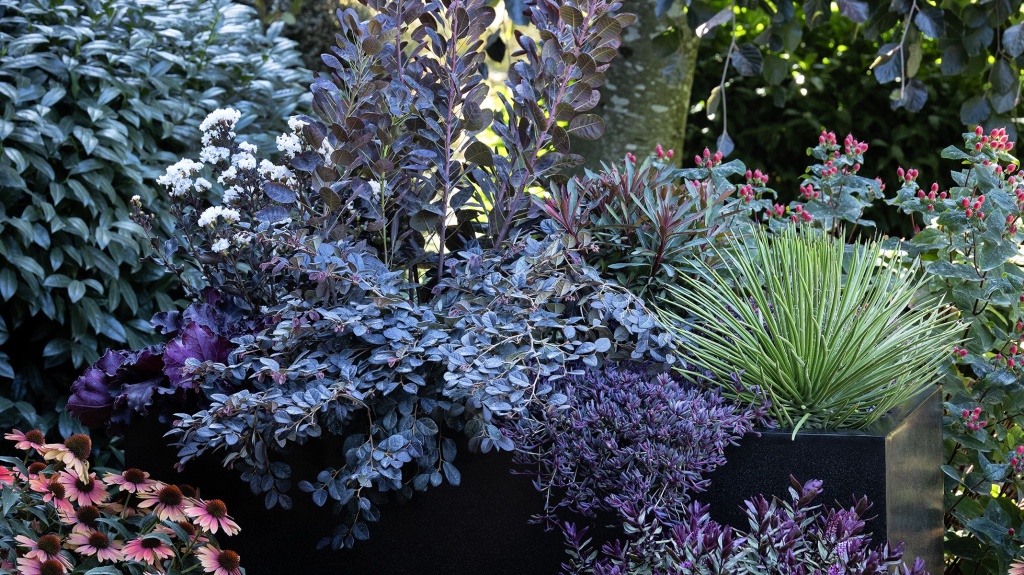
| Companion Plants | Japanese Maple (Acer palmatum); Lily of the Valley (Pieris); Astilbe (Astilbe); Bleeding Heart (Dicentra); Coral Bells (Heuchera) |
| Care Instructions | Provide organically rich, well-drained, acidic soil. Apply a thick layer of mulch to keep roots cool, avoiding the crown. Avoid harsh afternoon sun exposures and shelter from drying winter winds. Water deeply, regularly in the first growing season to establish an extensive root system. Feed with an acid fertilizer after bloom. |
| History | The genus Rhododendron is grouped into the heath family, Ericaceae which contains many acid soil loving species. Rhododendron was named and classified by Linnaeus who named it from the Greek for rose tree. This genus also contains shrubs commonly called azaleas within its 800 Rhododendron species and thousands of hybrids. The species are native to temperate areas of the Northern Hemisphere but are most abundant in the Himalayas and other mountains of Asia. This plant is a hybrid of the species R. yakusimanum, which is native to Yakushima, Japan. It was named and introduced in 1934 by Takenoshi Nakai, 1882-1952. This hybrid was developed in the 20th century. |
| Lore | Rhododendron was named and classified by Linnaeus who named it from the Greek for rose tree. |
Details
| Description | A dense-growing evergreen shrub valued for its large trusses of showy, soft pink flowers. Prefers cooler regions, but some protection from winter wind is helpful. Wonderful for use as a container specimen, accent plant, a flowering hedge, or in mass plantings. |
|---|---|
| Bloom Time | Late spring |
| Deciduous/Evergreen | Evergreen |
| Special Features | Attracts Hummingbirds, Easy Care, Attracts Pollinators |
| Problems/Solutions | Tolerates Urban Pollution |
| Growth Rate | Moderate |
| Growth Habit | Rounded |
| Flower Attributes | Showy Flowers |
Style
| Landscape Use | Border, Container, Hedge |
|---|---|
| Design Ideas | Exceptional shrub for foundation planting where intense color is appreciated at high profile locations. Ideal cover up for exposed legs of deciduous shrubs. Thrives in open planting areas under high canopy shade trees. |
| Flower Color | Pink |
| Foliage Color | Green |
| Companion Plants | Japanese Maple (Acer palmatum); Lily of the Valley (Pieris); Astilbe (Astilbe); Bleeding Heart (Dicentra); Coral Bells (Heuchera) |
Care
| Care Instructions | Provide organically rich, well-drained, acidic soil. Apply a thick layer of mulch to keep roots cool, avoiding the crown. Avoid harsh afternoon sun exposures and shelter from drying winter winds. Water deeply, regularly in the first growing season to establish an extensive root system. Feed with an acid fertilizer after bloom. |
|---|
History
| History | The genus Rhododendron is grouped into the heath family, Ericaceae which contains many acid soil loving species. Rhododendron was named and classified by Linnaeus who named it from the Greek for rose tree. This genus also contains shrubs commonly called azaleas within its 800 Rhododendron species and thousands of hybrids. The species are native to temperate areas of the Northern Hemisphere but are most abundant in the Himalayas and other mountains of Asia. This plant is a hybrid of the species R. yakusimanum, which is native to Yakushima, Japan. It was named and introduced in 1934 by Takenoshi Nakai, 1882-1952. This hybrid was developed in the 20th century. |
|---|---|
| Lore | Rhododendron was named and classified by Linnaeus who named it from the Greek for rose tree. |
Retailers Near You
About Us
We have been pioneers and craftsmen in the art of growing plants for 100 years. Since our founding in Southern California by Harry E. Rosedale, Sr. in 1926, we have been absolutely dedicated and obsessed with quality.
We have been pioneers and craftsmen in the art of growing plants for nearly 100 years. Since our founding in Southern California by Harry E. Rosedale, Sr. in 1926, we have been absolutely dedicated and obsessed with quality.