
You're growing in this Zip Code:
Discover Plants for Your Area

Dwarf Coreopsis
Coreopsis auriculata 'Nana'
Pronunciation: kor-ee-OP-sis ah-rih-kew-LAY-tuh
SKU #02795
LIGHT:
Full sun, Partial sun
WATER:
Allow soil to dry slightly before watering.
SIZE:
Moderate growing; reaches only 6 to 8 in. tall, 24 in. wide.

Retailers Near You
Ready to Grow?
Ship Monrovia plants directly to your door. Browse a curated selection available online.
Shop Now >This Plant's Growing Zones: 4-9
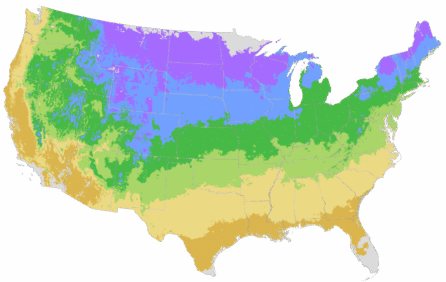
Your USDA Cold Hardiness Zone:
| Description | A fantastic little accent for a rock garden or for edging a border. Low foliage mounds bear cheerful daisy-like flowers, even in hot, humid summers. Great in containers. This is a compact cultivar of a wildflower native to the southern United States. Rabbit and deer resistant, but best protected when newly emerging. An herbaceous perennial. |
|---|---|
| Bloom Time | Spring |
| Deciduous/Evergreen | Herbaceous |
| Special Features | Easy Care, Waterwise, Non-toxic to Cats and Dogs, Attracts Pollinators, Heat Loving, Compact Form |
| Problems/Solutions | Deer Resistant, Rabbit Resistant |
| Growth Rate | Moderate |
| Flower Attributes | Flowers for Cutting, Showy Flowers |
| Landscape Use | Border, Container, Ground Cover, Edging |
| Design Ideas | A lovely edger for the front of the garden or at the corner of a walkway where the bright yellow-orange flowers can be admired. It also makes an excellent rockery plant. Good with sun-loving companions. |
| Flower Color | Yellow |
| Foliage Color | Green |
| Companion Plants | Switch Grass (Panicum); Salvia (Salvia); Avens (Geum); Yarrow (Achillea); Coneflower (Echinacea) |
| Care Instructions | Thrives in average to lean, well-drained soil. Water deeply, regularly during the first growing season to establish an extensive root system; allow to dry slightly between intervals. Remove spent flowers for a neat appearance. Cut back in fall after flowering. May be divided in fall or early spring. Fertilize in early spring. |
| History | Coreopsis is a large genus of over 100 species native to the Americas, tropical Africa and Hawaii. The species C. auriculata is a wildflower native to the woods of Virginia and Kentucky southward to Louisiana. This variety, 'Nana', is a compact form of the species, and thought to be the only form of this species in cultivation. |
| Lore | Coreopsis are known as tickseed due to resemblance of its seed to insects known as ticks. |
Details
| Description | A fantastic little accent for a rock garden or for edging a border. Low foliage mounds bear cheerful daisy-like flowers, even in hot, humid summers. Great in containers. This is a compact cultivar of a wildflower native to the southern United States. Rabbit and deer resistant, but best protected when newly emerging. An herbaceous perennial. |
|---|---|
| Bloom Time | Spring |
| Deciduous/Evergreen | Herbaceous |
| Special Features | Easy Care, Waterwise, Non-toxic to Cats and Dogs, Attracts Pollinators, Heat Loving, Compact Form |
| Problems/Solutions | Deer Resistant, Rabbit Resistant |
| Growth Rate | Moderate |
| Flower Attributes | Flowers for Cutting, Showy Flowers |
Style
| Landscape Use | Border, Container, Ground Cover, Edging |
|---|---|
| Design Ideas | A lovely edger for the front of the garden or at the corner of a walkway where the bright yellow-orange flowers can be admired. It also makes an excellent rockery plant. Good with sun-loving companions. |
| Flower Color | Yellow |
| Foliage Color | Green |
| Companion Plants | Switch Grass (Panicum); Salvia (Salvia); Avens (Geum); Yarrow (Achillea); Coneflower (Echinacea) |
Care
| Care Instructions | Thrives in average to lean, well-drained soil. Water deeply, regularly during the first growing season to establish an extensive root system; allow to dry slightly between intervals. Remove spent flowers for a neat appearance. Cut back in fall after flowering. May be divided in fall or early spring. Fertilize in early spring. |
|---|
History
| History | Coreopsis is a large genus of over 100 species native to the Americas, tropical Africa and Hawaii. The species C. auriculata is a wildflower native to the woods of Virginia and Kentucky southward to Louisiana. This variety, 'Nana', is a compact form of the species, and thought to be the only form of this species in cultivation. |
|---|---|
| Lore | Coreopsis are known as tickseed due to resemblance of its seed to insects known as ticks. |
Retailers Near You
About Us
We have been pioneers and craftsmen in the art of growing plants for 100 years. Since our founding in Southern California by Harry E. Rosedale, Sr. in 1926, we have been absolutely dedicated and obsessed with quality.
We have been pioneers and craftsmen in the art of growing plants for nearly 100 years. Since our founding in Southern California by Harry E. Rosedale, Sr. in 1926, we have been absolutely dedicated and obsessed with quality.