
You're growing in this Zip Code:
Discover Plants for Your Area
Dwarf Red Leaf Sand Cherry
Prunus x cistena
Pronunciation: PROO-nus sis-TEE-na
SKU #06687
LIGHT:
Full sun
WATER:
Water when top 2 inches of soil is dry.
SIZE:
Moderate growing; reaches 6 to 10 ft. tall, 6 to 8 ft. wide.

Retailers Near You
Ready to Grow?
Ship Monrovia plants directly to your door. Browse a curated selection available online.
Shop Now >This Plant's Growing Zones: 2-8
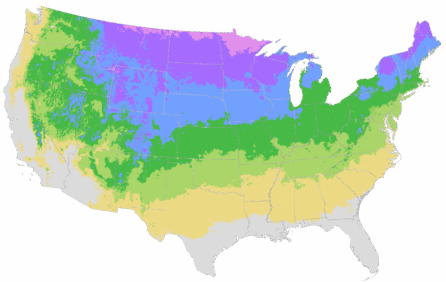
Your USDA Cold Hardiness Zone:
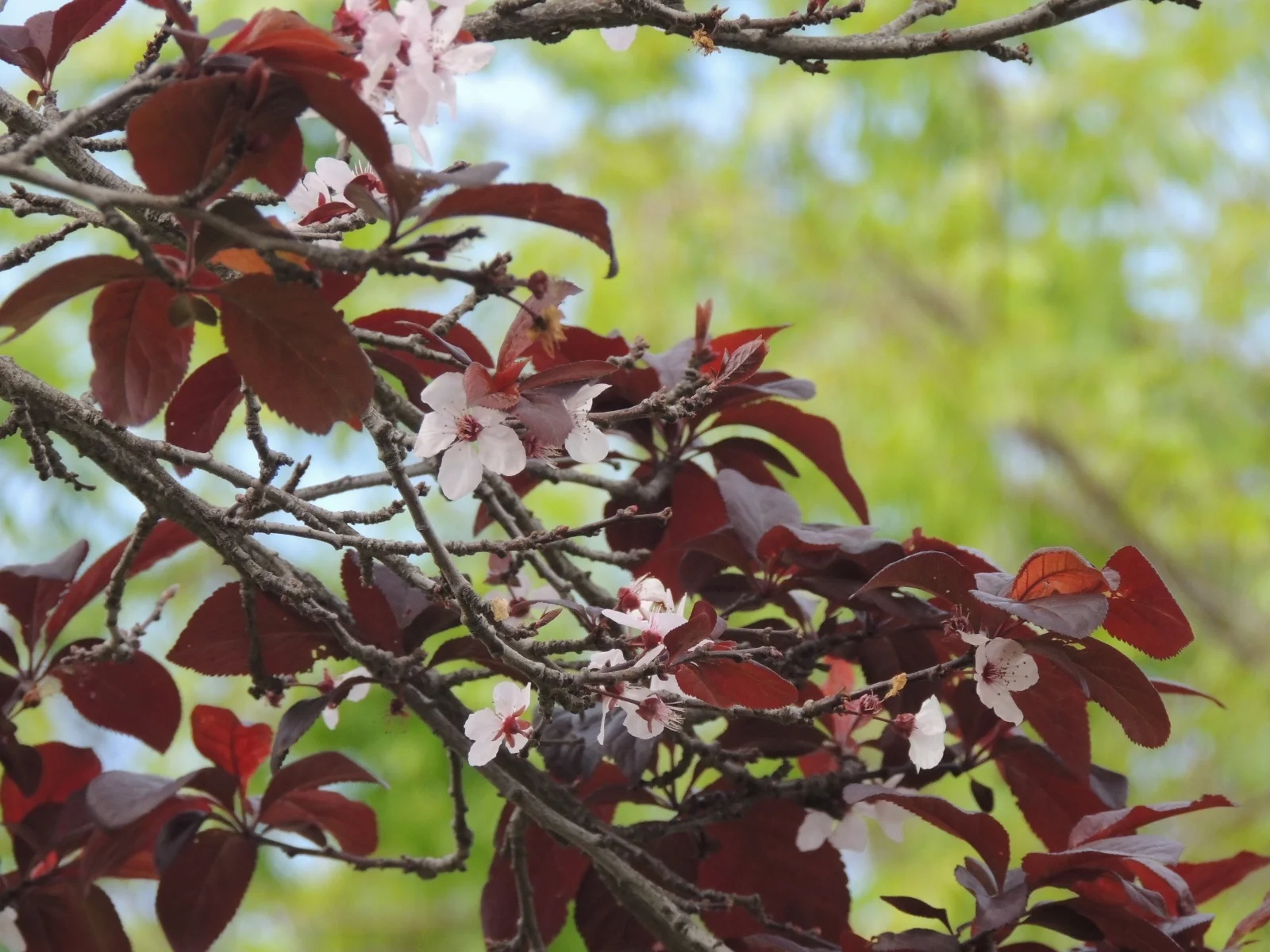
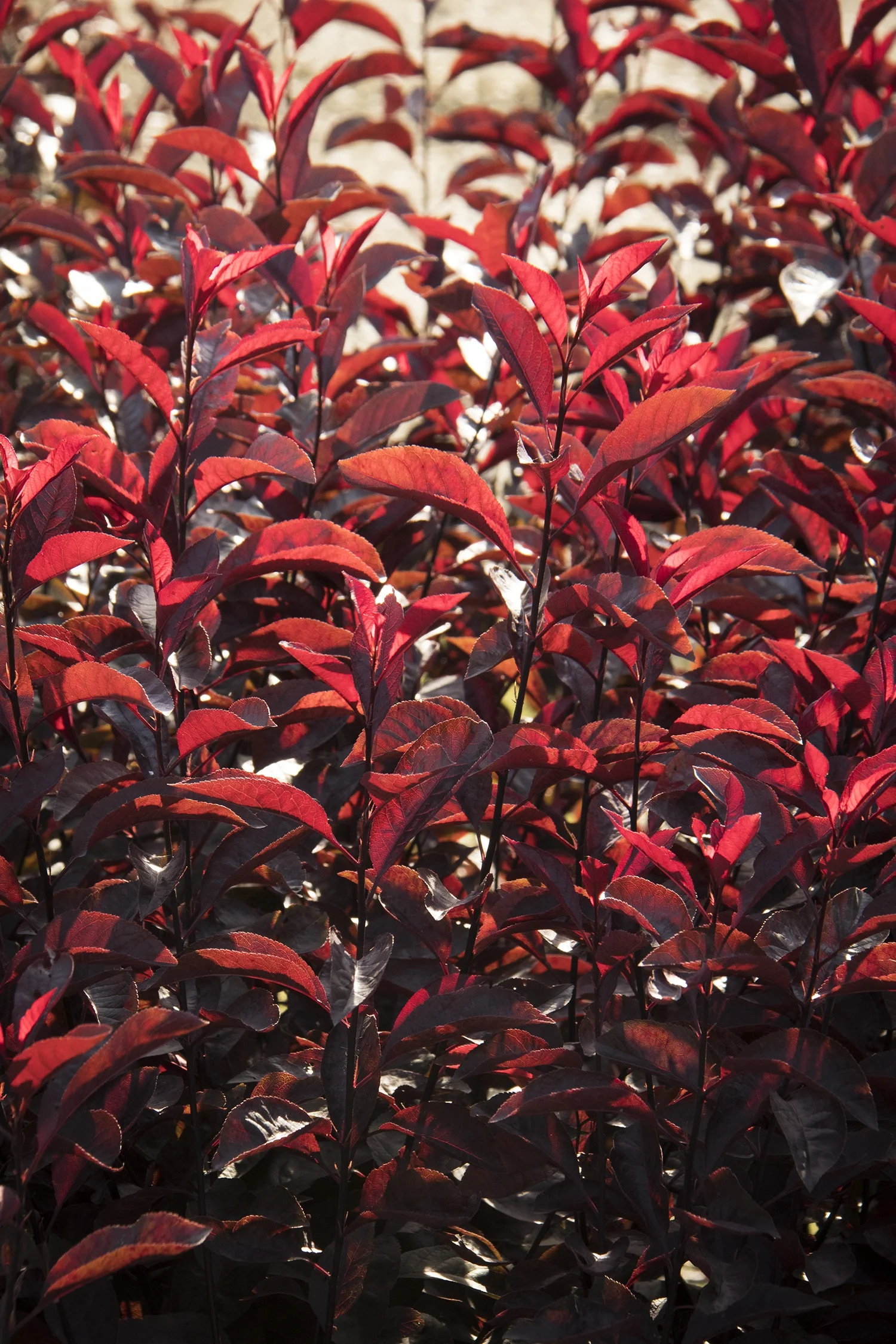
| Description | Prized for its masses of light pink flowers and deep purple foliage. Small black fruit follows the flowers in summer. A beautiful accent plant as either a multi-branched or a single trunk specimen. While there is seldom a large crop, the small, sour fruit may be used in preserves and pies. Deciduous. |
|---|---|
| Bloom Time | Spring flowers, followed by fruit in summer. |
| Deciduous/Evergreen | Deciduous |
| Special Features | Dramatic Foliage Color, Easy Care, Showy Fruit, Attracts Pollinators, Compact Form, Benefits Birds |
| Problems/Solutions | Coastal Exposure, Tolerates Urban Pollution |
| Growth Rate | Moderate |
| Growth Habit | Upright |
| Flower Attributes | Showy Flowers |
| Landscape Use | Hedge |
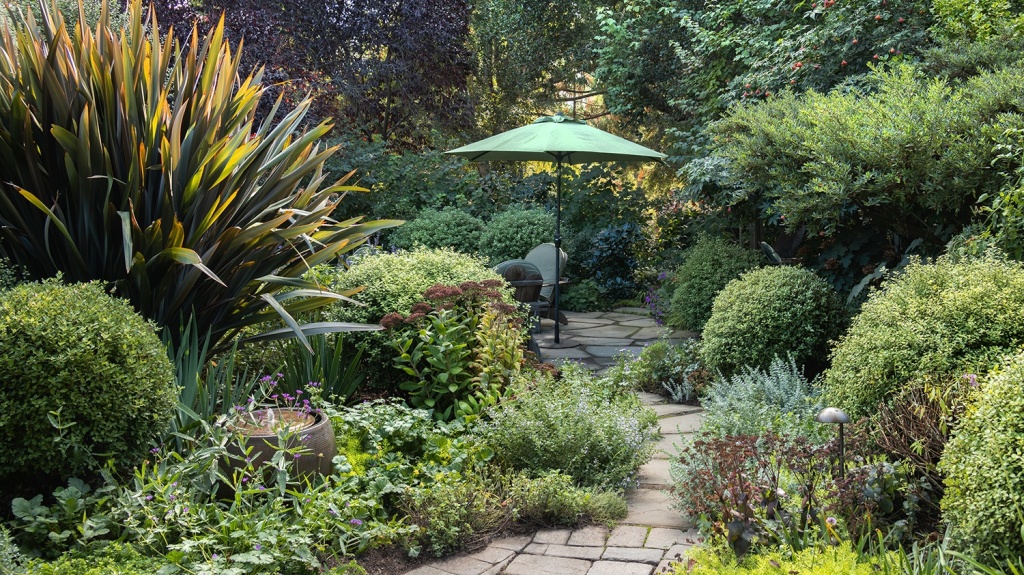
| Design Ideas | This small version of the flowering Plum is excellent for tight spaces around condominiums, town houses or apartment patios. May be grown as a standard in the ground or in large ceramic pots. Grow as a front-yard foundation accent or fit into spaces between driveways. Evenly space standards against a fence line separated by green hedges for a neat, semiformal effect. Use four matched specimens to create a formal parterre or to emphasize geometry of water features, walkways or living spaces. |
| Flower Color | Pink |
| Foliage Color | Purple |
| Companion Plants | Blue Spruce (Picea pungens); Weigela (Weigela); Coneflower (Echinacea); Blue Fescue (Festuca); Spirea (Spiraea); Shasta Daisy (Chrysanthemum) |
| Care Instructions | Easy to grow in a wide range of soil types. Water deeply, regularly during the first growing season to establish an extensive root system; once established, reduce frequency. Feed with a general purpose fertilizer before new growth begins in spring. For a tidy appearance, prune annually to shape. |
| History | This unique plant is rooted in a North American native species, Prunus pumila, with a groundcover-like habit.. It is Native to the eastern states from New York to Illinois and Wisconsin, and was introduced into cultivation in 1864. This hybrid was produced by crossing P. pumila with the well known tree, P. pissardi, which contributed both size and its purple coloring to the new upright growing shrub. The latter was imported into France by M. Pissard gardener to the Shah of Iran and is connected to the Prunus ceracifera clan. P. x cistena was developed in South Dakota shortly before 1910. |
Details
| Description | Prized for its masses of light pink flowers and deep purple foliage. Small black fruit follows the flowers in summer. A beautiful accent plant as either a multi-branched or a single trunk specimen. While there is seldom a large crop, the small, sour fruit may be used in preserves and pies. Deciduous. |
|---|---|
| Bloom Time | Spring flowers, followed by fruit in summer. |
| Deciduous/Evergreen | Deciduous |
| Special Features | Dramatic Foliage Color, Easy Care, Showy Fruit, Attracts Pollinators, Compact Form, Benefits Birds |
| Problems/Solutions | Coastal Exposure, Tolerates Urban Pollution |
| Growth Rate | Moderate |
| Growth Habit | Upright |
| Flower Attributes | Showy Flowers |
Style
| Landscape Use | Hedge |
|---|---|
| Design Ideas | This small version of the flowering Plum is excellent for tight spaces around condominiums, town houses or apartment patios. May be grown as a standard in the ground or in large ceramic pots. Grow as a front-yard foundation accent or fit into spaces between driveways. Evenly space standards against a fence line separated by green hedges for a neat, semiformal effect. Use four matched specimens to create a formal parterre or to emphasize geometry of water features, walkways or living spaces. |
| Flower Color | Pink |
| Foliage Color | Purple |
| Companion Plants | Blue Spruce (Picea pungens); Weigela (Weigela); Coneflower (Echinacea); Blue Fescue (Festuca); Spirea (Spiraea); Shasta Daisy (Chrysanthemum) |
Care
| Care Instructions | Easy to grow in a wide range of soil types. Water deeply, regularly during the first growing season to establish an extensive root system; once established, reduce frequency. Feed with a general purpose fertilizer before new growth begins in spring. For a tidy appearance, prune annually to shape. |
|---|
History
| History | This unique plant is rooted in a North American native species, Prunus pumila, with a groundcover-like habit.. It is Native to the eastern states from New York to Illinois and Wisconsin, and was introduced into cultivation in 1864. This hybrid was produced by crossing P. pumila with the well known tree, P. pissardi, which contributed both size and its purple coloring to the new upright growing shrub. The latter was imported into France by M. Pissard gardener to the Shah of Iran and is connected to the Prunus ceracifera clan. P. x cistena was developed in South Dakota shortly before 1910. |
|---|
Retailers Near You
About Us
We have been pioneers and craftsmen in the art of growing plants for 100 years. Since our founding in Southern California by Harry E. Rosedale, Sr. in 1926, we have been absolutely dedicated and obsessed with quality.
We have been pioneers and craftsmen in the art of growing plants for nearly 100 years. Since our founding in Southern California by Harry E. Rosedale, Sr. in 1926, we have been absolutely dedicated and obsessed with quality.