
You're growing in this Zip Code:
Discover Plants for Your Area
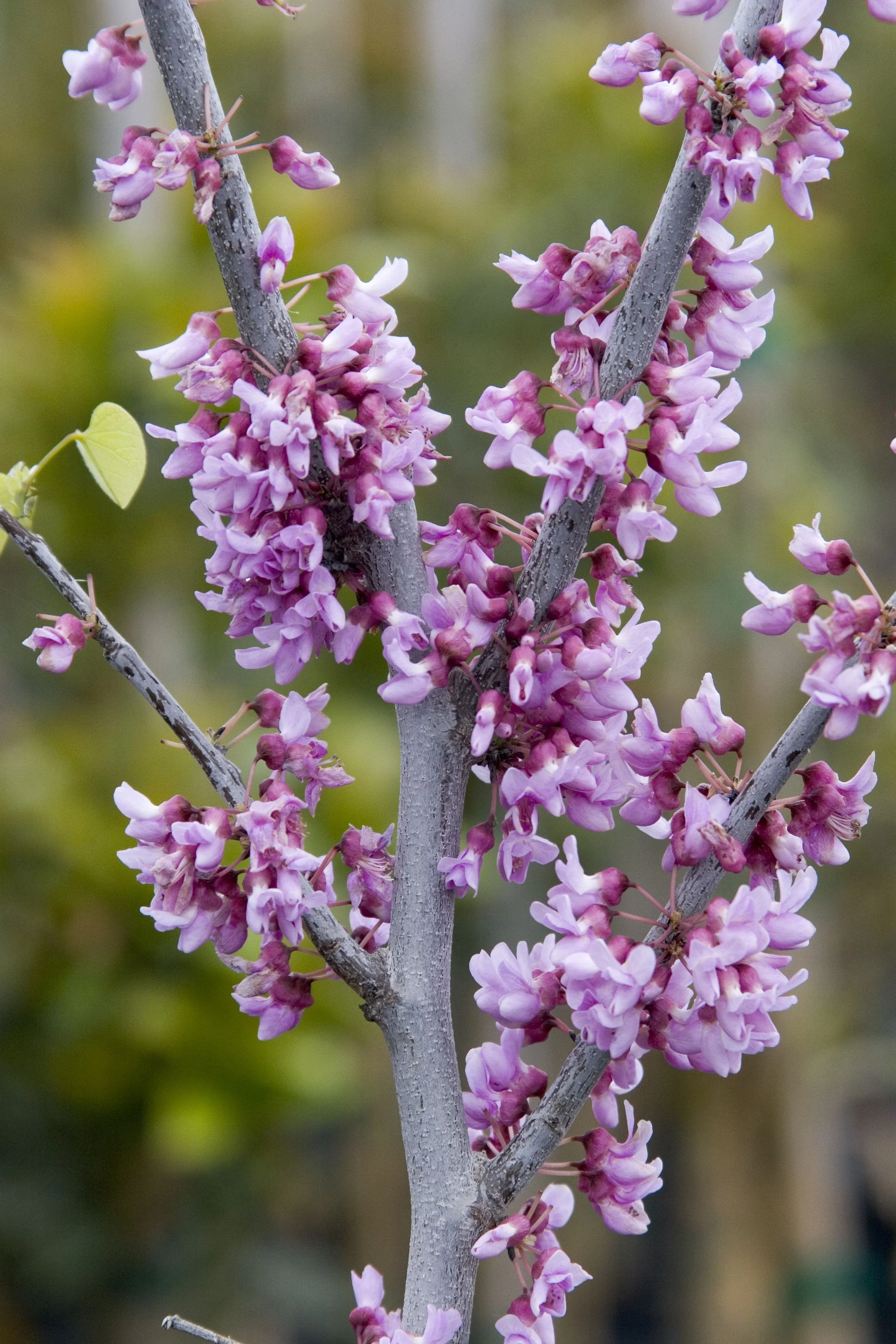
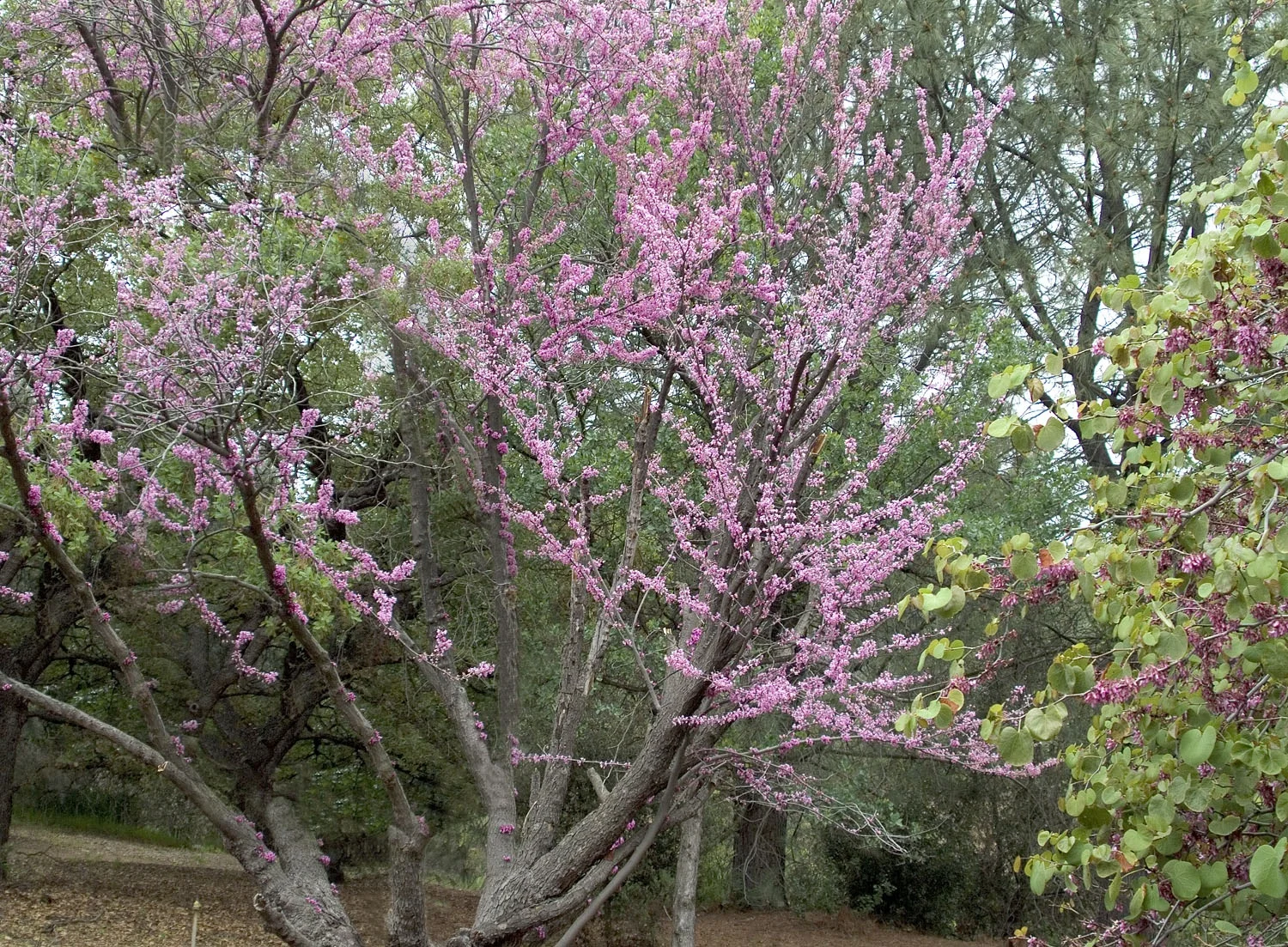
Eastern Redbud
Cercis canadensis
Pronunciation: SER-sis kan-a-DEN-sis
SKU #02355
LIGHT:
Full sun
WATER:
Water when top 3 inches of soil is dry.
SIZE:
Moderate growing; reaches 30 ft. tall, 25 to 35 ft. wide.

Retailers Near You
Ready to Grow?
Ship Monrovia plants directly to your door. Browse a curated selection available online.
Shop Now >This Plant's Growing Zones: 5-9
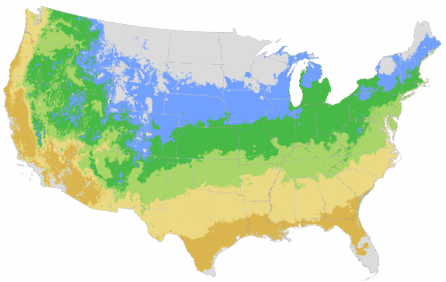
Your USDA Cold Hardiness Zone:
| Description | A beautiful garden tree valued for its profusion of rosy pink flowers that cloak the bare branches to bridge the gap between winter and spring! Heart-shaped foliage emerges as the blooms fade and turns yellow in autumn before dropping. A wonderful landscape specimen with a nicely rounded crown. Deciduous. |
|---|---|
| Bloom Time | Early spring |
| Deciduous/Evergreen | Deciduous |
| Special Features | Fall Color, North American Native, Attracts Pollinators, Benefits Birds |
| Growth Rate | Moderate |
| Growth Habit | Rounded |
| Flower Attributes | Showy Flowers |
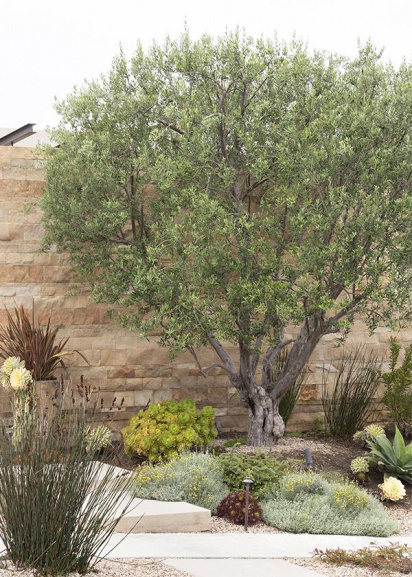
| Design Ideas | Redbuds offer four seasons of change in the front yard foundation planting for an eye catching display. A native of the eastern U.S. makes it a perfect candidate for wild gardens, wildlife gardens and all native landscapes. Add to beds and borders or to create long range focal point. |
| Flower Color | Pink |
| Foliage Color | Green |
| Foliage Fall Color | Yellow |
| Companion Plants | Witch Hazel (Hamamelis); Snowberry (Symphoricarpos); Dogwood (Cornus); Oak Leaf Hydrangea (Hydrangea); Oregon Grape Holly (Mahonia) |
| Care Instructions | Prefers deep, slightly alkaline, moist, well-drained sandy loams. Benefits from light shade in hotter regions. Water deeply and regularly during the first growing season to establish an extensive root system. Apply a general purpose fertilizer before new growth emerges in late winter to early spring. |
| History | This tree is native to the eastern United States and Canada. It is a member of the pea family, bearing the signature flower shape. It was introduced in 1730 and assigned the genus of the Middle Eastern redbud, C. siliquastrum. |
| Lore | Redbud is used by Native Americans in basket making because its inner bark bears a naturally red color preferred for creating contrasting patterns in the weave or coils. |
Details
| Description | A beautiful garden tree valued for its profusion of rosy pink flowers that cloak the bare branches to bridge the gap between winter and spring! Heart-shaped foliage emerges as the blooms fade and turns yellow in autumn before dropping. A wonderful landscape specimen with a nicely rounded crown. Deciduous. |
|---|---|
| Bloom Time | Early spring |
| Deciduous/Evergreen | Deciduous |
| Special Features | Fall Color, North American Native, Attracts Pollinators, Benefits Birds |
| Growth Rate | Moderate |
| Growth Habit | Rounded |
| Flower Attributes | Showy Flowers |
Style
| Design Ideas | Redbuds offer four seasons of change in the front yard foundation planting for an eye catching display. A native of the eastern U.S. makes it a perfect candidate for wild gardens, wildlife gardens and all native landscapes. Add to beds and borders or to create long range focal point. |
|---|---|
| Flower Color | Pink |
| Foliage Color | Green |
| Foliage Fall Color | Yellow |
| Companion Plants | Witch Hazel (Hamamelis); Snowberry (Symphoricarpos); Dogwood (Cornus); Oak Leaf Hydrangea (Hydrangea); Oregon Grape Holly (Mahonia) |
Care
| Care Instructions | Prefers deep, slightly alkaline, moist, well-drained sandy loams. Benefits from light shade in hotter regions. Water deeply and regularly during the first growing season to establish an extensive root system. Apply a general purpose fertilizer before new growth emerges in late winter to early spring. |
|---|
History
| History | This tree is native to the eastern United States and Canada. It is a member of the pea family, bearing the signature flower shape. It was introduced in 1730 and assigned the genus of the Middle Eastern redbud, C. siliquastrum. |
|---|---|
| Lore | Redbud is used by Native Americans in basket making because its inner bark bears a naturally red color preferred for creating contrasting patterns in the weave or coils. |
Retailers Near You
About Us
We have been pioneers and craftsmen in the art of growing plants for 100 years. Since our founding in Southern California by Harry E. Rosedale, Sr. in 1926, we have been absolutely dedicated and obsessed with quality.
We have been pioneers and craftsmen in the art of growing plants for nearly 100 years. Since our founding in Southern California by Harry E. Rosedale, Sr. in 1926, we have been absolutely dedicated and obsessed with quality.