
You're growing in this Zip Code:
Change LocationDiscover Plants for Your Area
Ebony and Ivory Crape Myrtle
Lagerstroemia x 'Ebony and Ivory'
Pronunciation: la-ger-STRE-mee-a
SKU #01964
LIGHT:
Full sun
WATER:
Water deeply when soil is dry.
SIZE:
Moderate growing; reaches 10 to 12 ft. tall, 8 ft. wide.

Retailers Near You
Ready to Grow?
Ship Monrovia plants directly to your door. Browse a curated selection available online.
Shop Now >
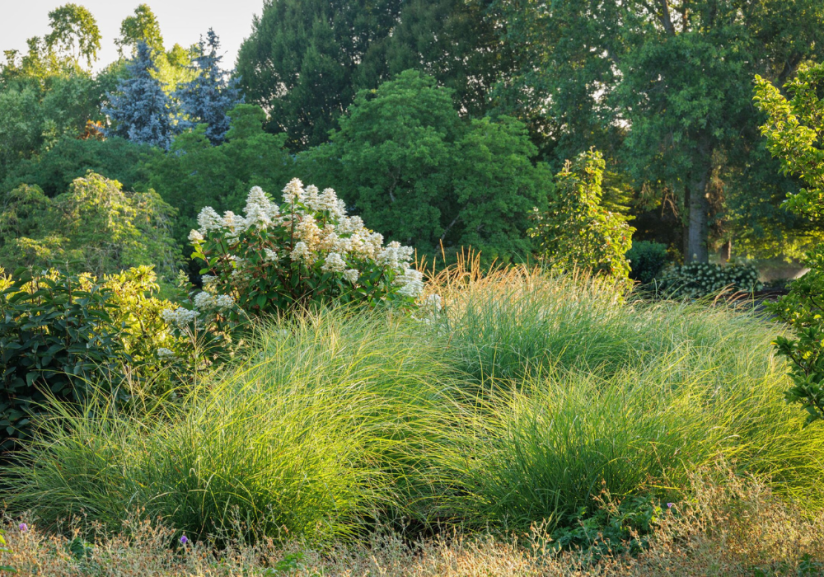
| Description | Clusters of dazzling white flower trusses are showcased by intense, black foliage, creating a dramatic contrast for summer and fall landscapes. An eye-catching border plant or landscape accent, grown as a large shrub or a small tree. Drought tolerant once established. Deciduous. |
|---|---|
| Bloom Time | Summer into fall |
| Deciduous/Evergreen | Deciduous |
| Special Features | Attracts Butterflies, Attracts Hummingbirds, Dramatic Foliage Color, Waterwise, Non-toxic to Cats and Dogs, Attracts Pollinators, Heat Loving |
| Problems/Solutions | Drought Tolerant |
| Growth Rate | Moderate |
| Flower Attributes | Long Bloom Season, Showy Flowers |
| Landscape Use | Border |
| Design Ideas | Small trees are perfect in the front yard to call attention to the entry or at other important points without crowding in foundation beds. Use in the backyard as a focal point in the view of oft used windows and sliders. Excellent choice around patios for color, enclosure and light filtered shade at maturity. Makes a great sideyard privacy screen with lots of interest for adjacent windows. |
| Flower Color | White |
| Foliage Color | Black |
| Companion Plants | Rose of Sharon (Hibiscus syriacus); Black Mondo Grass (Ophiopogon); Catmint (Nepeta); Butterfly Bush (Buddleja); Rosemary (Rosmarinus) |
| Care Instructions | Thrives in average, well-drained soils. Water deeply, regularly in first growing season to establish an extensive root system. Reduce frequency once established; tolerates some drought. Feed in early spring. Thin young trees late winter to early spring, leaving 3 to 7 main trunks or canopy branches. Remove emerging suckers from base of older trees. |
| Lore | Crape myrtles from the South Pacific arrived in Charleston, South Carolina where botanist Andre Michaux was the first to cultivate them around 1786. |
Details
| Description | Clusters of dazzling white flower trusses are showcased by intense, black foliage, creating a dramatic contrast for summer and fall landscapes. An eye-catching border plant or landscape accent, grown as a large shrub or a small tree. Drought tolerant once established. Deciduous. |
|---|---|
| Bloom Time | Summer into fall |
| Deciduous/Evergreen | Deciduous |
| Special Features | Attracts Butterflies, Attracts Hummingbirds, Dramatic Foliage Color, Waterwise, Non-toxic to Cats and Dogs, Attracts Pollinators, Heat Loving |
| Problems/Solutions | Drought Tolerant |
| Growth Rate | Moderate |
| Flower Attributes | Long Bloom Season, Showy Flowers |
Style
| Landscape Use | Border |
|---|---|
| Design Ideas | Small trees are perfect in the front yard to call attention to the entry or at other important points without crowding in foundation beds. Use in the backyard as a focal point in the view of oft used windows and sliders. Excellent choice around patios for color, enclosure and light filtered shade at maturity. Makes a great sideyard privacy screen with lots of interest for adjacent windows. |
| Flower Color | White |
| Foliage Color | Black |
| Companion Plants | Rose of Sharon (Hibiscus syriacus); Black Mondo Grass (Ophiopogon); Catmint (Nepeta); Butterfly Bush (Buddleja); Rosemary (Rosmarinus) |
Care
| Care Instructions | Thrives in average, well-drained soils. Water deeply, regularly in first growing season to establish an extensive root system. Reduce frequency once established; tolerates some drought. Feed in early spring. Thin young trees late winter to early spring, leaving 3 to 7 main trunks or canopy branches. Remove emerging suckers from base of older trees. |
|---|
History
| Lore | Crape myrtles from the South Pacific arrived in Charleston, South Carolina where botanist Andre Michaux was the first to cultivate them around 1786. |
|---|
Retailers Near You
About Us
We have been pioneers and craftsmen in the art of growing plants for 100 years. Since our founding in Southern California by Harry E. Rosedale, Sr. in 1926, we have been absolutely dedicated and obsessed with quality.
We have been pioneers and craftsmen in the art of growing plants for nearly 100 years. Since our founding in Southern California by Harry E. Rosedale, Sr. in 1926, we have been absolutely dedicated and obsessed with quality.