
You're growing in this Zip Code:
Change LocationDiscover Plants for Your Area
Elizabeth Magnolia
Magnolia x 'Elizabeth'
Pronunciation: mag-NOH-lee-uh a-ku-mi-NA-ta dee-noo-DAY-ta
SKU #05942
LIGHT:
Full sun
WATER:
Once established, water deeply when dry.
SIZE:
Moderate growing; reaches 25 to 40 ft. tall, 12 to 20 ft. wide.

Retailers Near You
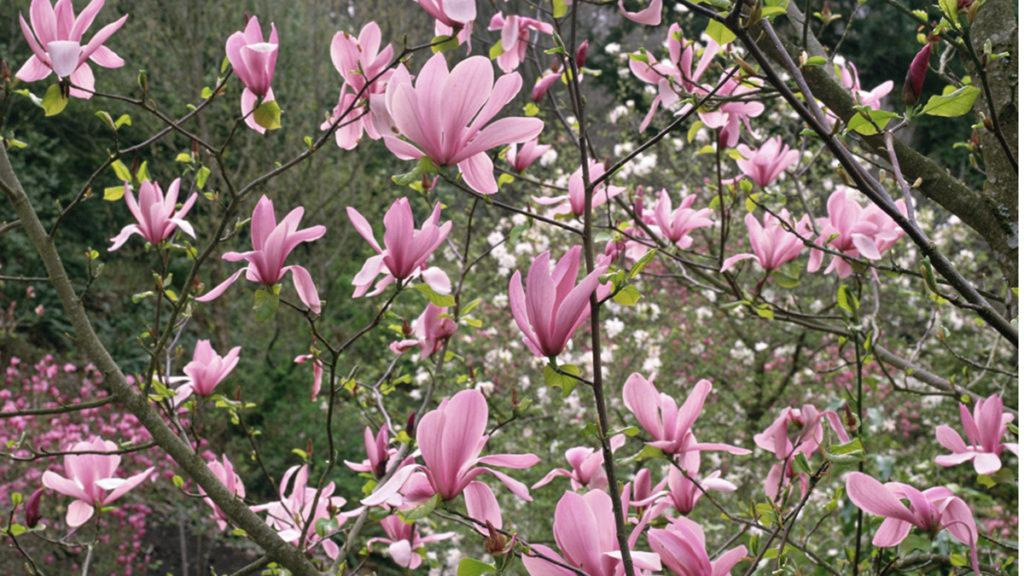

| Description | A stunning yellow-flowered Magnolia, with a profusion of elegantly tapered buds that open to large, fragrant, primrose-yellow blooms in spring. Blooms are replaced by large, dark green leaves on the neat, upright, pyramidal form. Well-suited for use as a landscape specimen, and a wonderful shade tree with its wide-spread branches. Deciduous. |
|---|---|
| Bloom Time | Mid to late spring |
| Deciduous/Evergreen | Deciduous |
| Problems/Solutions | Deer Resistant, Rabbit Resistant |
| Growth Rate | Moderate |
| Flower Attributes | Flowers for Cutting, Fragrant, Showy Flowers |
| Patent Act | Asexual reproduction of plants protected by the Plant Patent Act is prohibited during the life of the patent. |
| Design Ideas | This lovely small tree is a yellow deciduous variety that extends its range well beyond that of evergreen Magnolia. Big beautiful flowers should be viewed up close, so use as an accent around porches, patios or other outdoor living spaces. A favorite of the cottage garden, it won't grow too large. Spot into your favorite perennial or flowering shrub border for some fragrant romance. Best to keep out of hot afternoon sun, but will make the perfect tree offering color and limited shade in a small city yard. |
| Flower Color | Yellow |
| Foliage Color | Green |
| Companion Plants | Wisteria (Wisteria); Hydrangea (Hydrangea); Lily-of-the-Valley Shrub (Pieris); Azalea (Azalea); Clethra (Clethra) |
| Care Instructions | Provide deep, enriched, acidic, moist, well-drained soil. Thrives in all but the coldest of climates, with protection from harsh winter winds. Water deeply, regularly during the first few growing seasons to establish an extensive root system; once established, reduce frequency. Fertilize before new growth begins in spring. |
| History | Elizabeth is a hybrid developed by Dr. Evamaria Sperber of The Brooklyn Botanical Gardens, introduced in 1977 from a successful breeding program that spanned 1953 to 1991. It has several highly valued traits inherited from its parents: M. acuminata (a.k.a. cucumber tree magnolia, a North American native) has a later bloom season (Mid-to-late spring) which gives it a better resistance to damage from late frosts; M. denudata (a.k.a. yulan magnolia, a native to China) gives it what is referred to as a "precocious habit" - the showy display of spring flowers on otherwise bare stems followed by foliage; both the M. acuminata with its deep yellow flowers and the M. denudata with its creamy ivory flowers contribute to the elegant creamy yellow flowers of the Elizabeth. The cultivar name is attributed to Elizabeth Van Brunt, a known friend of the Brooklyn Botanical Garden. |
Details
| Description | A stunning yellow-flowered Magnolia, with a profusion of elegantly tapered buds that open to large, fragrant, primrose-yellow blooms in spring. Blooms are replaced by large, dark green leaves on the neat, upright, pyramidal form. Well-suited for use as a landscape specimen, and a wonderful shade tree with its wide-spread branches. Deciduous. |
|---|---|
| Bloom Time | Mid to late spring |
| Deciduous/Evergreen | Deciduous |
| Problems/Solutions | Deer Resistant, Rabbit Resistant |
| Growth Rate | Moderate |
| Flower Attributes | Flowers for Cutting, Fragrant, Showy Flowers |
| Patent Act | Asexual reproduction of plants protected by the Plant Patent Act is prohibited during the life of the patent. |
Style
| Design Ideas | This lovely small tree is a yellow deciduous variety that extends its range well beyond that of evergreen Magnolia. Big beautiful flowers should be viewed up close, so use as an accent around porches, patios or other outdoor living spaces. A favorite of the cottage garden, it won't grow too large. Spot into your favorite perennial or flowering shrub border for some fragrant romance. Best to keep out of hot afternoon sun, but will make the perfect tree offering color and limited shade in a small city yard. |
|---|---|
| Flower Color | Yellow |
| Foliage Color | Green |
| Companion Plants | Wisteria (Wisteria); Hydrangea (Hydrangea); Lily-of-the-Valley Shrub (Pieris); Azalea (Azalea); Clethra (Clethra) |
Care
| Care Instructions | Provide deep, enriched, acidic, moist, well-drained soil. Thrives in all but the coldest of climates, with protection from harsh winter winds. Water deeply, regularly during the first few growing seasons to establish an extensive root system; once established, reduce frequency. Fertilize before new growth begins in spring. |
|---|
History
| History | Elizabeth is a hybrid developed by Dr. Evamaria Sperber of The Brooklyn Botanical Gardens, introduced in 1977 from a successful breeding program that spanned 1953 to 1991. It has several highly valued traits inherited from its parents: M. acuminata (a.k.a. cucumber tree magnolia, a North American native) has a later bloom season (Mid-to-late spring) which gives it a better resistance to damage from late frosts; M. denudata (a.k.a. yulan magnolia, a native to China) gives it what is referred to as a "precocious habit" - the showy display of spring flowers on otherwise bare stems followed by foliage; both the M. acuminata with its deep yellow flowers and the M. denudata with its creamy ivory flowers contribute to the elegant creamy yellow flowers of the Elizabeth. The cultivar name is attributed to Elizabeth Van Brunt, a known friend of the Brooklyn Botanical Garden. |
|---|
Retailers Near You
About Us
We have been pioneers and craftsmen in the art of growing plants for 100 years. Since our founding in Southern California by Harry E. Rosedale, Sr. in 1926, we have been absolutely dedicated and obsessed with quality.
We have been pioneers and craftsmen in the art of growing plants for nearly 100 years. Since our founding in Southern California by Harry E. Rosedale, Sr. in 1926, we have been absolutely dedicated and obsessed with quality.