
You're growing in this Zip Code:
Change LocationDiscover Plants for Your Area
Emperor I® Japanese Maple
Acer palmatum 'Wolff'
Pronunciation: AY-ser pal-MA-tum
SKU #00084
LIGHT:
Filtered sun, Full sun, Partial sun
WATER:
Keep soil consistently moist but not soggy.
SIZE:
Moderate growing; reaches 15 ft. tall and wide.

Retailers Near You
Ready to Grow?
Ship Monrovia plants directly to your door. Browse a curated selection available online.
Shop Now >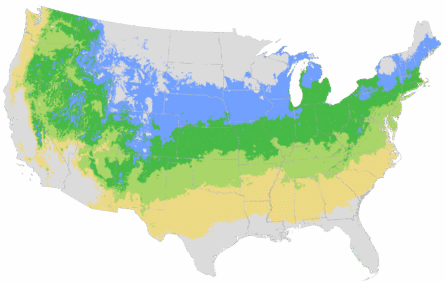
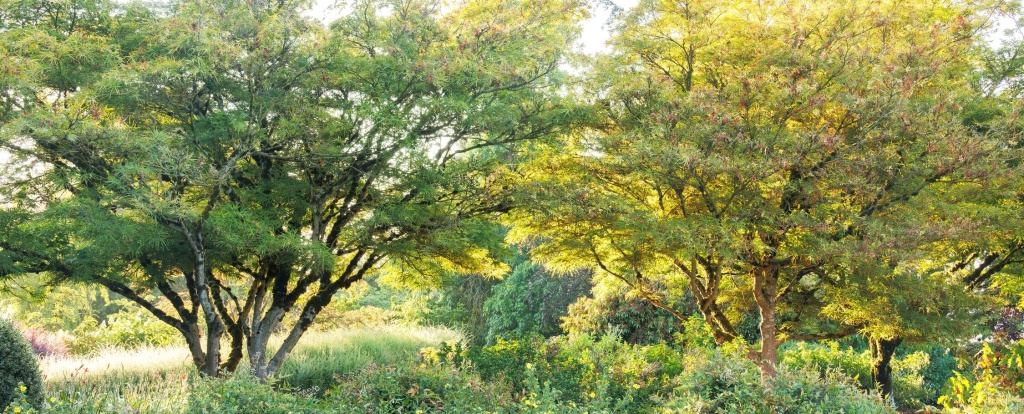
| Description | A graceful form with black-red bark veiled in dark red foliage that turns a brilliant scarlet in fall. Leaves bud out later in spring, better withstanding damage from late frosts than less cold hardy varieties. Displays most intense color in full sun exposure. Ideal as a colorful specimen in smaller landscapes. Deciduous. |
|---|---|
| Bloom Time | Inconspicuous; prized for foliage. |
| Deciduous/Evergreen | Deciduous |
| Special Features | Attractive Bark, Dramatic Foliage Color, Easy Care, Fall Color |
| Problems/Solutions | Deer Resistant, Rabbit Resistant |
| Growth Rate | Moderate |
| Growth Habit | Rounded |
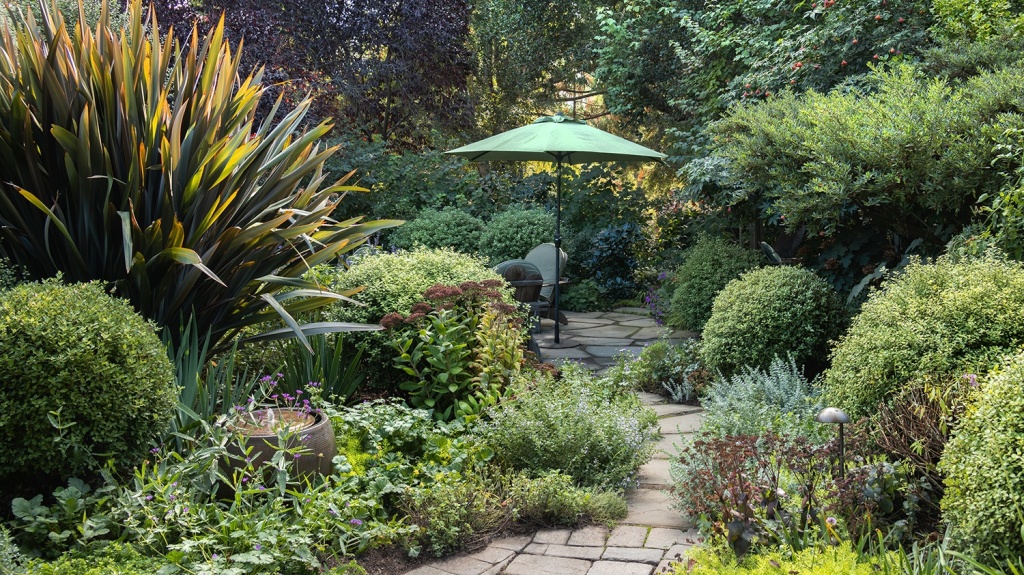
| Design Ideas | Showy and colorful, this is among the best Japanese maple for smaller city yards. Plant in front as a single accent at entries and in foundation beds. Perfectly sized for around outdoor living spaces that ask for shelter and privacy without concern for an overly large tree at maturity. Bold autumn hues provide a long range focal point, particularly against a background of dark evergreen trees. Quintessential tree for the acid garden and among conifers. |
| Flower Color | Red |
| Foliage Color | Red |
| Foliage Fall Color | Purple |
| Companion Plants | Azalea (Azalea); Astilbe (Astilbe); Japanese Forest Grass (Hakonechloa); Rhododendron (Rhododendron); Camellia (Camellia) |
| Care Instructions | Provide slightly acidic, well-drained soil; shelter from drying winds. Avoid harsh afternoon sun exposures in hot summer areas. Mulch to keep root zone cool. Water deeply, regularly during first few growing seasons to establish an extensive root system; reduce frequency once established. Apply slow-release fertilizer in early spring. |
| History | This species, A. palmatum, may be the most widely bred of the Acer clan. It is credited to Carl Thunberg, 1743-1828, the physician and plant collector working for the Dutch East India Company in Japan. It is likely he collected the first plants, for they were classified after his return to Europe in 1820. Although called Japanese maple, this species is native to China and Korea as well. There are an immense number of cultivars produced by this highly variable species. This form was introduced by Monrovia Nursery Co. Azusa, California in 1998. Its dark red coloring identifies it among the Atropurpureum group, which were first developed from A. p. 'Atropurpureum' after 1857. |
| Lore | The Japanese maple is the quintessential symbol of fall in the traditional Tea Garden, balanced by flowering cherries for spring. |
Details
| Description | A graceful form with black-red bark veiled in dark red foliage that turns a brilliant scarlet in fall. Leaves bud out later in spring, better withstanding damage from late frosts than less cold hardy varieties. Displays most intense color in full sun exposure. Ideal as a colorful specimen in smaller landscapes. Deciduous. |
|---|---|
| Bloom Time | Inconspicuous; prized for foliage. |
| Deciduous/Evergreen | Deciduous |
| Special Features | Attractive Bark, Dramatic Foliage Color, Easy Care, Fall Color |
| Problems/Solutions | Deer Resistant, Rabbit Resistant |
| Growth Rate | Moderate |
| Growth Habit | Rounded |
Style
| Design Ideas | Showy and colorful, this is among the best Japanese maple for smaller city yards. Plant in front as a single accent at entries and in foundation beds. Perfectly sized for around outdoor living spaces that ask for shelter and privacy without concern for an overly large tree at maturity. Bold autumn hues provide a long range focal point, particularly against a background of dark evergreen trees. Quintessential tree for the acid garden and among conifers. |
|---|---|
| Flower Color | Red |
| Foliage Color | Red |
| Foliage Fall Color | Purple |
| Companion Plants | Azalea (Azalea); Astilbe (Astilbe); Japanese Forest Grass (Hakonechloa); Rhododendron (Rhododendron); Camellia (Camellia) |
Care
| Care Instructions | Provide slightly acidic, well-drained soil; shelter from drying winds. Avoid harsh afternoon sun exposures in hot summer areas. Mulch to keep root zone cool. Water deeply, regularly during first few growing seasons to establish an extensive root system; reduce frequency once established. Apply slow-release fertilizer in early spring. |
|---|
History
| History | This species, A. palmatum, may be the most widely bred of the Acer clan. It is credited to Carl Thunberg, 1743-1828, the physician and plant collector working for the Dutch East India Company in Japan. It is likely he collected the first plants, for they were classified after his return to Europe in 1820. Although called Japanese maple, this species is native to China and Korea as well. There are an immense number of cultivars produced by this highly variable species. This form was introduced by Monrovia Nursery Co. Azusa, California in 1998. Its dark red coloring identifies it among the Atropurpureum group, which were first developed from A. p. 'Atropurpureum' after 1857. |
|---|---|
| Lore | The Japanese maple is the quintessential symbol of fall in the traditional Tea Garden, balanced by flowering cherries for spring. |
Retailers Near You
About Us
We have been pioneers and craftsmen in the art of growing plants for 100 years. Since our founding in Southern California by Harry E. Rosedale, Sr. in 1926, we have been absolutely dedicated and obsessed with quality.
We have been pioneers and craftsmen in the art of growing plants for nearly 100 years. Since our founding in Southern California by Harry E. Rosedale, Sr. in 1926, we have been absolutely dedicated and obsessed with quality.