
You're growing in this Zip Code:
Discover Plants for Your Area
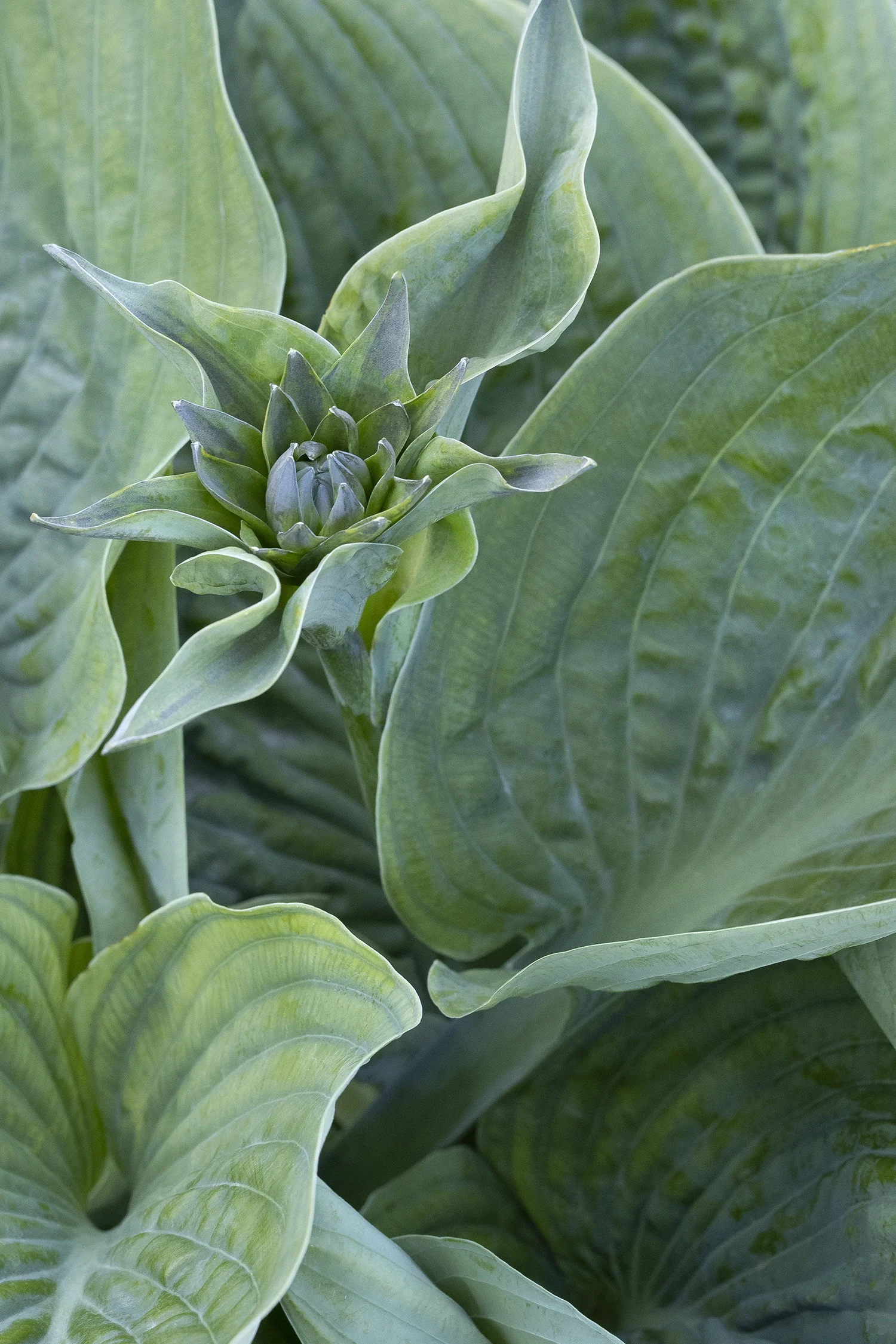
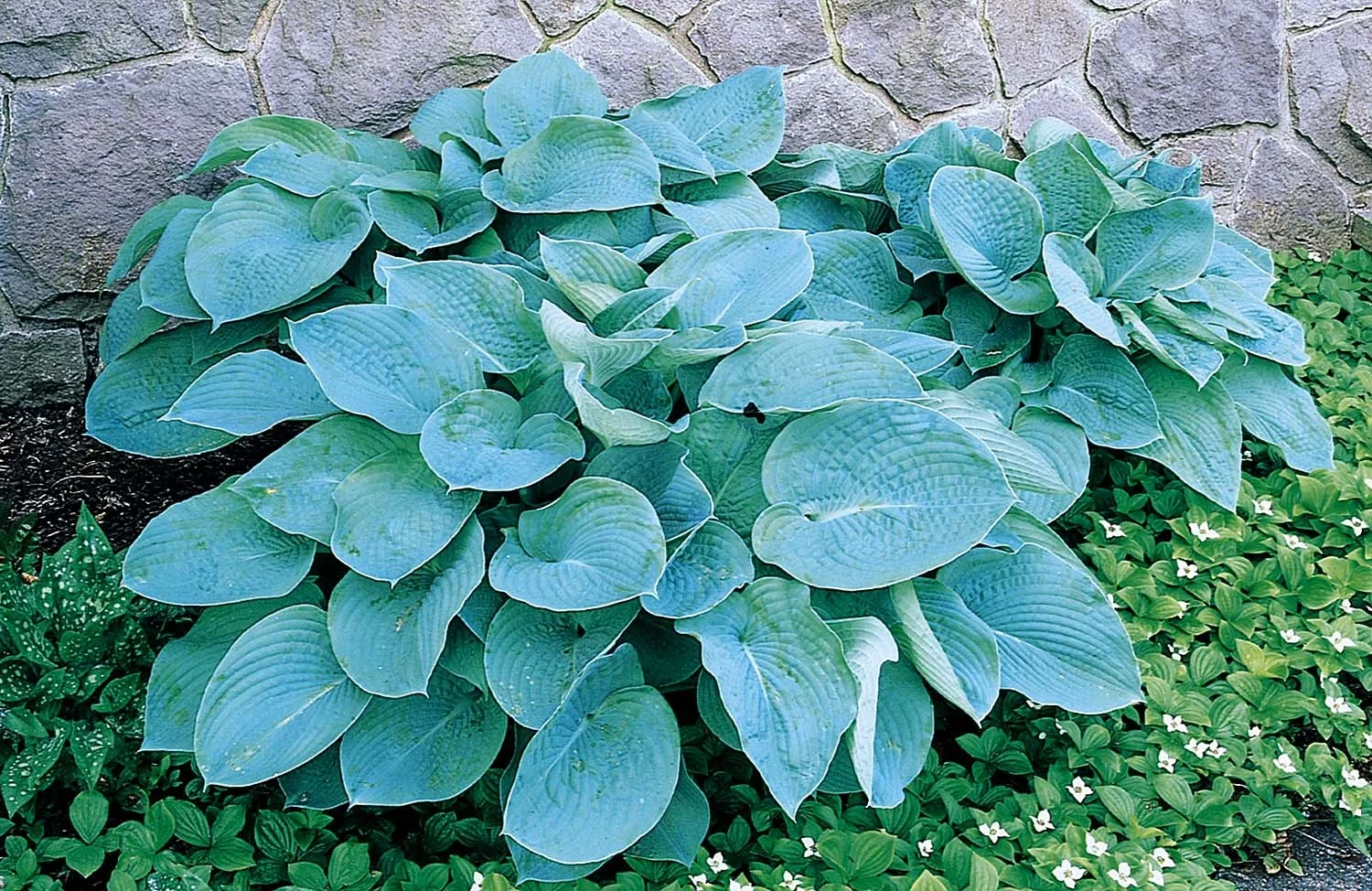
Eola Sapphire Hosta
Hosta x 'Eola Sapphire'
Pronunciation: HOSS-tuh
SKU #04147
LIGHT:
Full shade, Partial shade
WATER:
Keep soil consistently moist but not soggy.
SIZE:
Moderate growing; forms foliage clump 2 to 3 ft. tall, 4 ft. wide.

Home Delivery Price
?
- Arrives in 3 to 7 days
- Free shipping on orders over $149
- Perfect Start Promise
Select Quantity
Retailers Near You
This Plant's Growing Zones: 3-9
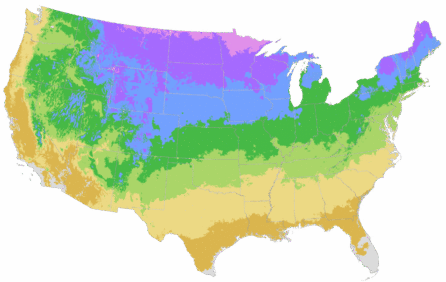
Your USDA Cold Hardiness Zone:
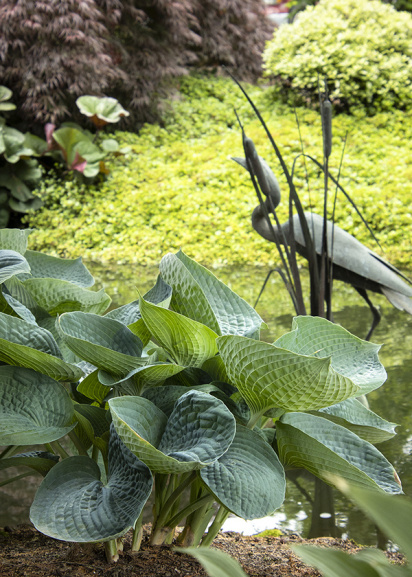
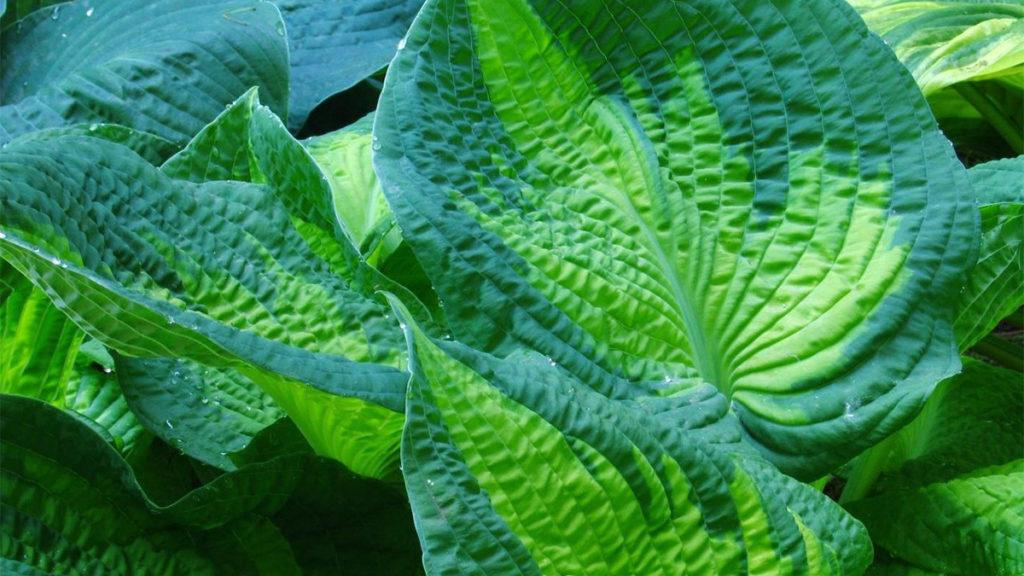
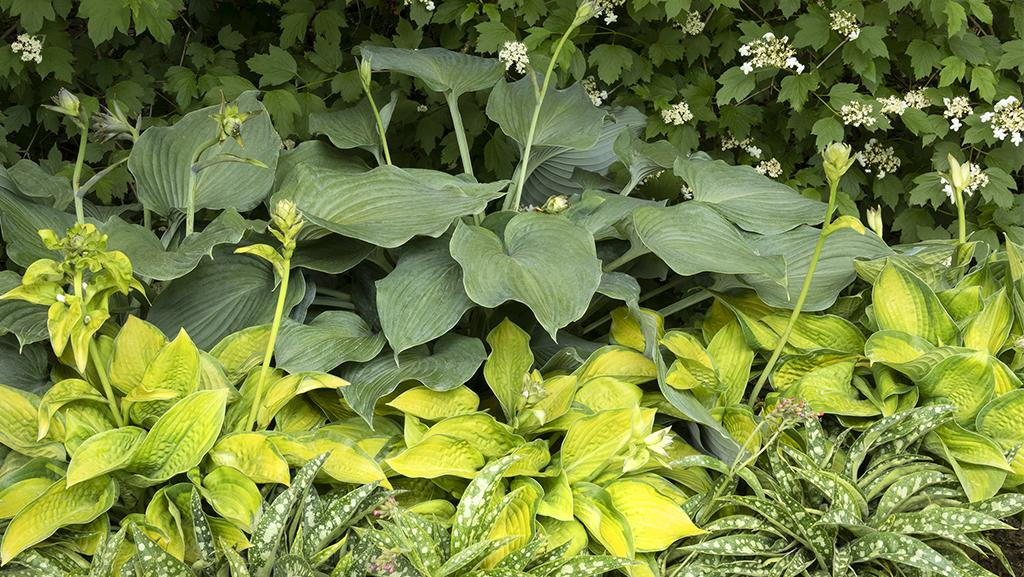
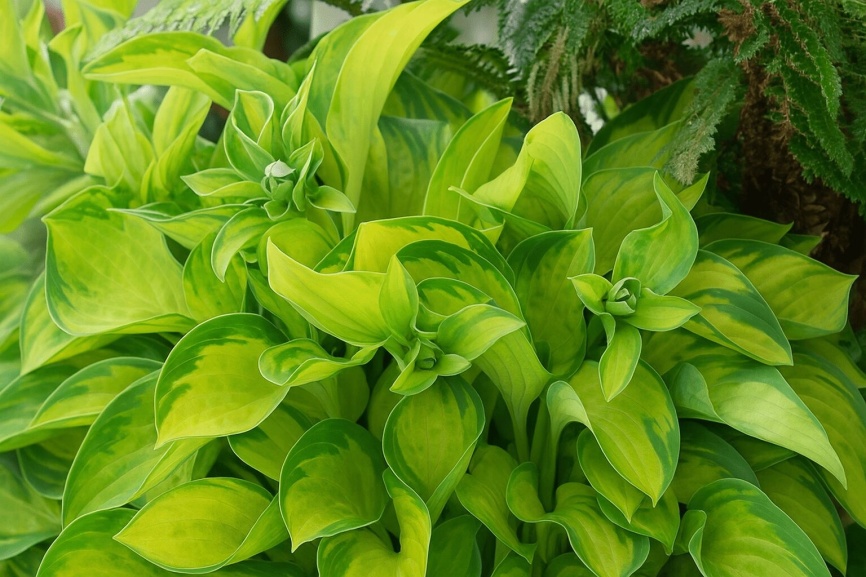
| Description | A special selection for the shade garden with striking, seersucker-like, metallic blue-green leaves. Larger than others, this dramatic hosta is sure to attract attention. Slender spikes of purple-white flowers appear in summer. The thick, heavily textured foliage is resistant to slug damage. An herbaceous perennial. |
|---|---|
| Bloom Time | Summer |
| Deciduous/Evergreen | Herbaceous |
| Special Features | Attracts Hummingbirds, Dramatic Foliage Color, Easy Care, Attracts Pollinators |
| Problems/Solutions | Erosion Control |
| Growth Rate | Moderate |
| Growth Habit | Clumping |
| Flower Attributes | Showy Flowers |
| Landscape Use | Border, Container |
| Design Ideas | There are many ways to use Hosta in shaded or partially shaded gardens. Try as a groundcover, tightly packed into a mosaic of green, blue-green and variegated foliage. Use as clumps among the acid-loving flowering shrubs and for contrast against the feathery fronds of Fern. They are excellent in shaded rock gardens, on slopes and embankments and low, moist pockets. Later in the season, enjoy the bright flower spikes that add interest and variety to the foliage. |
| Flower Color | Purple |
| Foliage Color | Green |
| Companion Plants | Coral Bells (Heuchera); Lungwort (Pulmonaria); Japanese Forest Grass (Hakonechloa); Ligularia (Ligularia); Bleeding Heart (Dicentra) |
| Care Instructions | Provide slightly acidic, evenly moist, well-drained, humusy soil. Avoid harsh sun exposures. Water deeply, regularly in first growing season to establish an extensive root system; once established, reduce frequency. Remove old, faded foliage before new leaves emerge in early spring. |
| History | This genus contains over 40 different species mostly native to China and Japan. H. plantaginea reached Europe in the 1780s, the species from which most modern hybrids descend. The blue color of this cultivar points to blood of H glauca and H. ventricosa, which originates from an oenormous range spanning Japan, China and Siberica. Due to the staggering humber of existing hybrids that have been crossed and recrossed, plus the advances in tissue culture, ancestry of this and most modern hybrids is murky at best. |
| Lore | Hosta is also known as plantain lily and is related to a pernicious weed introduced to North America during colonial times. It naturalized so readily Native Americans ma,ed it "white man's foot", claiming it sprang up from every foot print left upon the soil by an immigrant. |
Details
| Description | A special selection for the shade garden with striking, seersucker-like, metallic blue-green leaves. Larger than others, this dramatic hosta is sure to attract attention. Slender spikes of purple-white flowers appear in summer. The thick, heavily textured foliage is resistant to slug damage. An herbaceous perennial. |
|---|---|
| Bloom Time | Summer |
| Deciduous/Evergreen | Herbaceous |
| Special Features | Attracts Hummingbirds, Dramatic Foliage Color, Easy Care, Attracts Pollinators |
| Problems/Solutions | Erosion Control |
| Growth Rate | Moderate |
| Growth Habit | Clumping |
| Flower Attributes | Showy Flowers |
Style
| Landscape Use | Border, Container |
|---|---|
| Design Ideas | There are many ways to use Hosta in shaded or partially shaded gardens. Try as a groundcover, tightly packed into a mosaic of green, blue-green and variegated foliage. Use as clumps among the acid-loving flowering shrubs and for contrast against the feathery fronds of Fern. They are excellent in shaded rock gardens, on slopes and embankments and low, moist pockets. Later in the season, enjoy the bright flower spikes that add interest and variety to the foliage. |
| Flower Color | Purple |
| Foliage Color | Green |
| Companion Plants | Coral Bells (Heuchera); Lungwort (Pulmonaria); Japanese Forest Grass (Hakonechloa); Ligularia (Ligularia); Bleeding Heart (Dicentra) |
Care
| Care Instructions | Provide slightly acidic, evenly moist, well-drained, humusy soil. Avoid harsh sun exposures. Water deeply, regularly in first growing season to establish an extensive root system; once established, reduce frequency. Remove old, faded foliage before new leaves emerge in early spring. |
|---|
History
| History | This genus contains over 40 different species mostly native to China and Japan. H. plantaginea reached Europe in the 1780s, the species from which most modern hybrids descend. The blue color of this cultivar points to blood of H glauca and H. ventricosa, which originates from an oenormous range spanning Japan, China and Siberica. Due to the staggering humber of existing hybrids that have been crossed and recrossed, plus the advances in tissue culture, ancestry of this and most modern hybrids is murky at best. |
|---|---|
| Lore | Hosta is also known as plantain lily and is related to a pernicious weed introduced to North America during colonial times. It naturalized so readily Native Americans ma,ed it "white man's foot", claiming it sprang up from every foot print left upon the soil by an immigrant. |
Retailers Near You
About Us
We have been pioneers and craftsmen in the art of growing plants for 100 years. Since our founding in Southern California by Harry E. Rosedale, Sr. in 1926, we have been absolutely dedicated and obsessed with quality.
We have been pioneers and craftsmen in the art of growing plants for nearly 100 years. Since our founding in Southern California by Harry E. Rosedale, Sr. in 1926, we have been absolutely dedicated and obsessed with quality.