
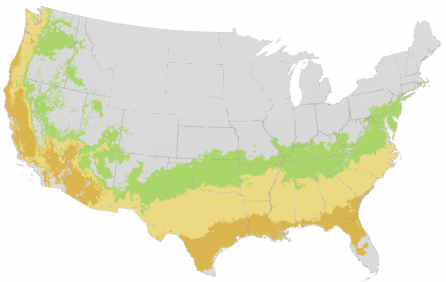
You're growing in this Zip Code:
Change LocationDiscover Plants for Your Area
Feelin' Sunny® Deodar Cedar
Cedrus deodara 'Monkinn' PP #23,886
Pronunciation: SEE-drus dee-oh-DAR-uh
SKU #05127
LIGHT:
Full sun, Partial sun
WATER:
Once established water deeply occasionally.
SIZE:
Quickly reaches 12 to 15 ft. tall if a leader forms, 8 ft. wide. Taller with age.

Retailers Near You
| Description | A stunning selection with bright, golden yellow foliage. Begins its life in a low, spreading form. As it ages, it takes on a tall, pyramidal form more typical of the species. This unique dwarf cedar beautifully contrasts darker green-leaved trees or shrubs. An outstanding accent or large container specimen. |
|---|---|
| Bloom Time | Conifer; prized for foliage. |
| Deciduous/Evergreen | Evergreen |
| Special Features | Dramatic Foliage Color, Easy Care, Waterwise, Compact Form, Benefits Birds |
| Problems/Solutions | Coastal Exposure, Deer Resistant, Erosion Control, Rabbit Resistant, Tolerates Urban Pollution |
| Growth Rate | Fast |
| Patent Act | Asexual reproduction of plants protected by the Plant Patent Act is prohibited during the life of the patent. |
| Landscape Use | Container, Privacy Screen, Windbreak, Suitable for Topiary |
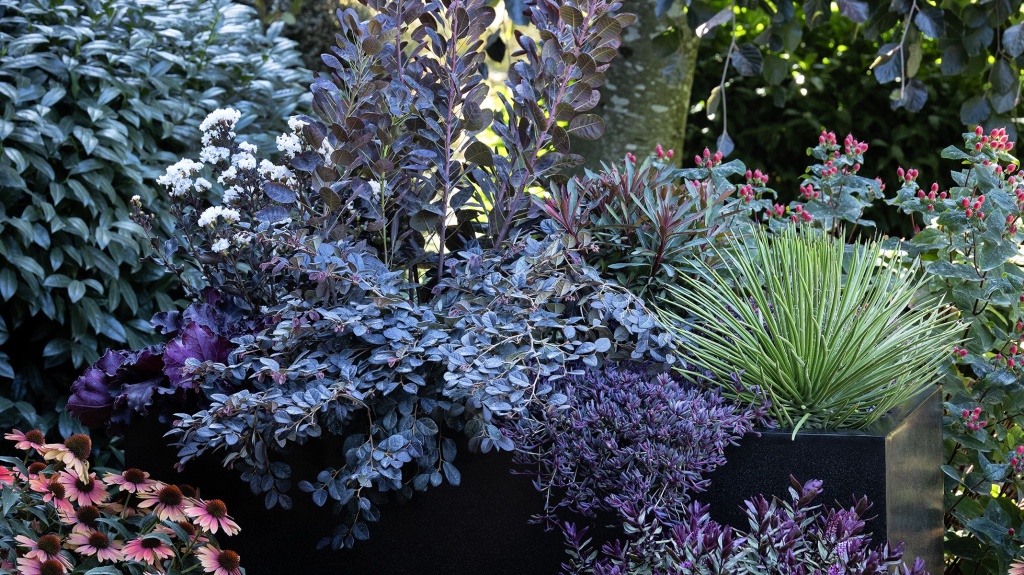
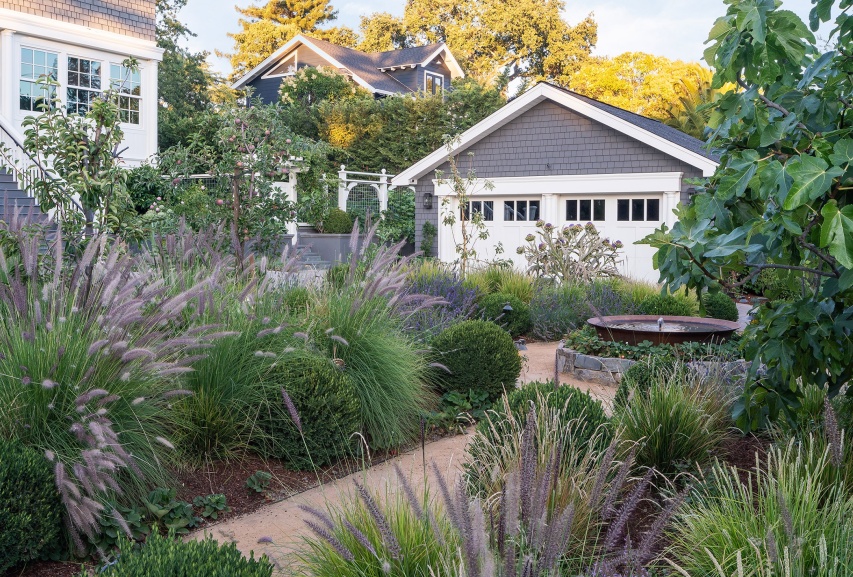
| Design Ideas | This golden-hued conifer will infuse the landscape with warm tones. It is perfect for rock gardens, nestled into landscape boulders. Irregular form fits nicely into woodland gardens that need relief from too much green. Spot into wild gardens among naturalistic compositions of native shrubs and prairie grasses. Low profile growth makes this creeping shrub a perfect groundcover on banks and slopes or cascading off raised planter edges and retaining walls. |
| Foliage Color | Yellow |
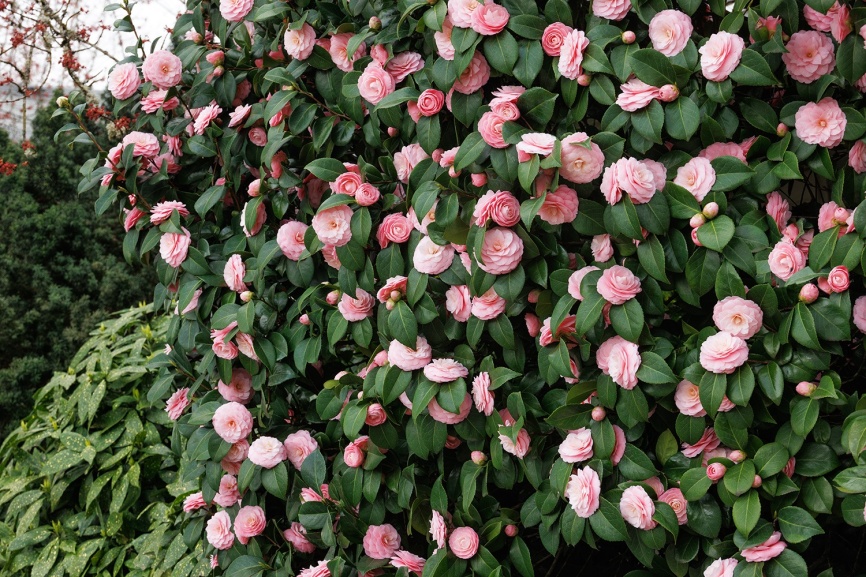
| Companion Plants | Japanese Maple (Acer); Azalea (Azalea); Lily of the Valley Shrub (Pieris); Barberry (Berberis); Camellia (Camellia) |
| Care Instructions | Grows easily in a wide range of soil types; avoid poorly drained, soggy sites. Best foliage color in full sun. Water deeply and regularly during the first few growing seasons to establish an extensive root system; once established, reduce frequency. Feed with a general purpose fertilizer before new growth begins in spring. |
| History | This selection is a color sport of Cedrus deodara Feelin' Blue, a dwarf form of a genus of primarily tree species which falls into the Pinaceae with most other conifers. A 2012 Monrovia introduction. |
| Lore | Named from the Greek, kedrus, its kin include the famous cedars of Lebanon. Its classification is attributed to German botanist, Christoph Trew, 1695-1769, although some Anglo-centric references indicate John Loudon, 1783-1843, the noted English horticulturist and writer. This species was named by Scots botanist, David Don, 1799-1841 and his brother, George. Native to the Himalayan Mountains, its local name is deodar. Deodar cedars were officially introduced into cultivation about 1831 although they have been grown in Chinese parks and gardens for centuries. |
Details
| Description | A stunning selection with bright, golden yellow foliage. Begins its life in a low, spreading form. As it ages, it takes on a tall, pyramidal form more typical of the species. This unique dwarf cedar beautifully contrasts darker green-leaved trees or shrubs. An outstanding accent or large container specimen. |
|---|---|
| Bloom Time | Conifer; prized for foliage. |
| Deciduous/Evergreen | Evergreen |
| Special Features | Dramatic Foliage Color, Easy Care, Waterwise, Compact Form, Benefits Birds |
| Problems/Solutions | Coastal Exposure, Deer Resistant, Erosion Control, Rabbit Resistant, Tolerates Urban Pollution |
| Growth Rate | Fast |
| Patent Act | Asexual reproduction of plants protected by the Plant Patent Act is prohibited during the life of the patent. |
Style
| Landscape Use | Container, Privacy Screen, Windbreak, Suitable for Topiary |
|---|---|
| Design Ideas | This golden-hued conifer will infuse the landscape with warm tones. It is perfect for rock gardens, nestled into landscape boulders. Irregular form fits nicely into woodland gardens that need relief from too much green. Spot into wild gardens among naturalistic compositions of native shrubs and prairie grasses. Low profile growth makes this creeping shrub a perfect groundcover on banks and slopes or cascading off raised planter edges and retaining walls. |
| Foliage Color | Yellow |
| Companion Plants | Japanese Maple (Acer); Azalea (Azalea); Lily of the Valley Shrub (Pieris); Barberry (Berberis); Camellia (Camellia) |
Care
| Care Instructions | Grows easily in a wide range of soil types; avoid poorly drained, soggy sites. Best foliage color in full sun. Water deeply and regularly during the first few growing seasons to establish an extensive root system; once established, reduce frequency. Feed with a general purpose fertilizer before new growth begins in spring. |
|---|
History
| History | This selection is a color sport of Cedrus deodara Feelin' Blue, a dwarf form of a genus of primarily tree species which falls into the Pinaceae with most other conifers. A 2012 Monrovia introduction. |
|---|---|
| Lore | Named from the Greek, kedrus, its kin include the famous cedars of Lebanon. Its classification is attributed to German botanist, Christoph Trew, 1695-1769, although some Anglo-centric references indicate John Loudon, 1783-1843, the noted English horticulturist and writer. This species was named by Scots botanist, David Don, 1799-1841 and his brother, George. Native to the Himalayan Mountains, its local name is deodar. Deodar cedars were officially introduced into cultivation about 1831 although they have been grown in Chinese parks and gardens for centuries. |
Retailers Near You
About Us
We have been pioneers and craftsmen in the art of growing plants for 100 years. Since our founding in Southern California by Harry E. Rosedale, Sr. in 1926, we have been absolutely dedicated and obsessed with quality.
We have been pioneers and craftsmen in the art of growing plants for nearly 100 years. Since our founding in Southern California by Harry E. Rosedale, Sr. in 1926, we have been absolutely dedicated and obsessed with quality.