
You're growing in this Zip Code:
Change LocationDiscover Plants for Your Area
Festival™ Raspberry Cordyline
Cordyline banksii x pumilio var 'CorBzr01' Plant Patent Applied For
Pronunciation: kor-di-LI-ne BANKS-ee-eye poo-MIL-ee-oh
SKU #07525
LIGHT:
Full sun, Partial sun
WATER:
Water when soil surface is dry.
SIZE:
Moderate growing; forms foliage clump 3 ft. tall and wide.

Retailers Near You
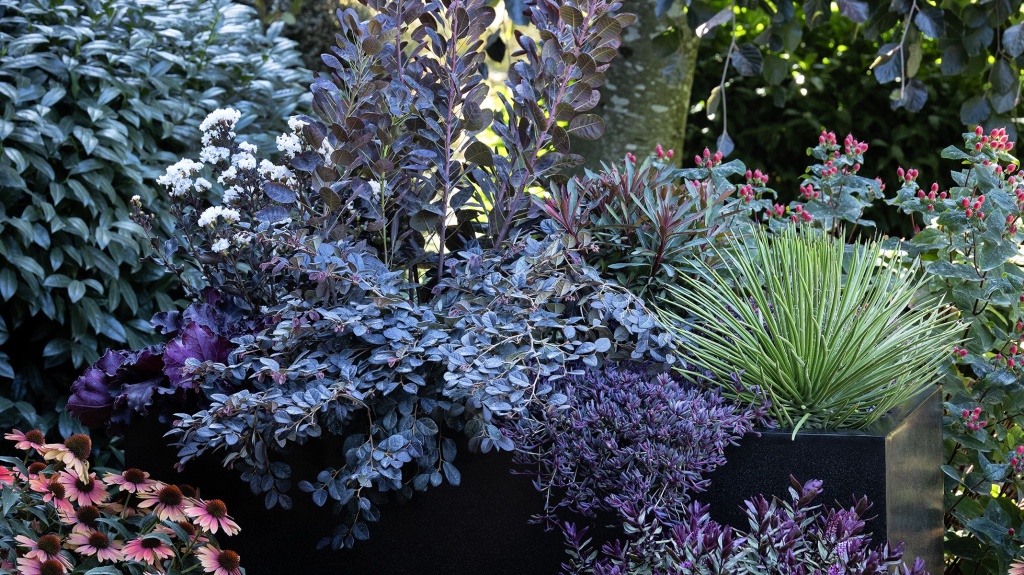
| Description | Arching, strap-like, burgundy leaves have a bright raspberry edge, adding dramatic color and texture to the garden. Small white flowers appear in summer. This new compact selection performs beautifully in shaded areas or dappled sun; tolerates morning sun. Use in mixed borders in frost free areas. Excellent in containers. Evergreen. |
|---|---|
| Bloom Time | Late spring to early summer |
| Deciduous/Evergreen | Evergreen |
| Special Features | Dramatic Foliage Color, Easy Care, Fast Growing, Compact Form |
| Problems/Solutions | Coastal Exposure, Deer Resistant |
| Growth Rate | Moderate |
| Flower Attributes | Fragrant, Showy Flowers |
| Patent Act | Asexual reproduction of plants protected by the Plant Patent Act is prohibited during the life of the patent. |
| Landscape Use | Border, Container, Houseplant, Poolside |
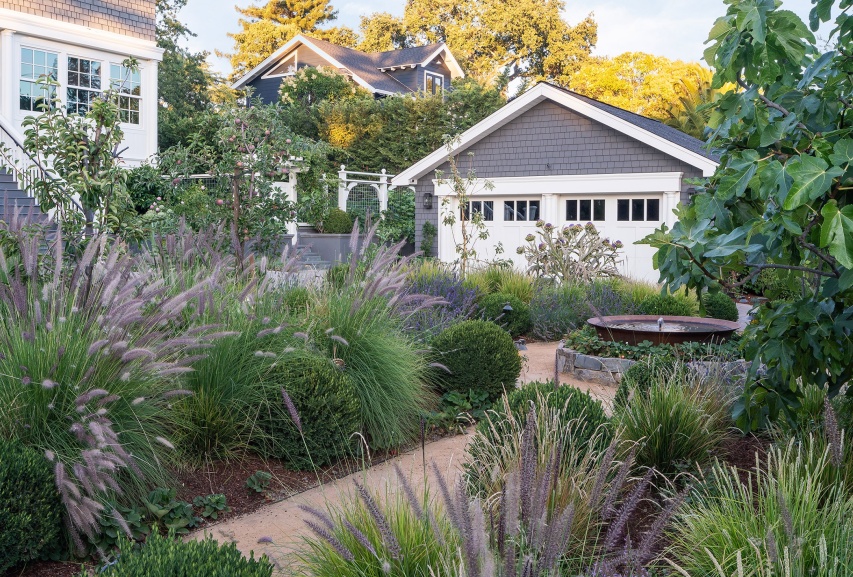
| Design Ideas | Pair with plants that have bright green or gold foliage for exceptional contrast. Situate to brighten and add drama to shaded or dappled sun areas. Cascading strappy leaves can create a fountain effect that is highly prized in garden and container plantings. It is favored by modern garden designers who love its unique form and color for single specimens in ground or in simple geometric containers. Use decadent glazed ceramic pots and urns to give this plant a rich Asian flare. |
| Flower Color | Pink |
| Foliage Color | Red |
| Companion Plants | Bush Daisy (Euryops); Mexican Heather (Cuphea); Verbena (Verbena); Lantana (Lantana); Canna (Canna) |
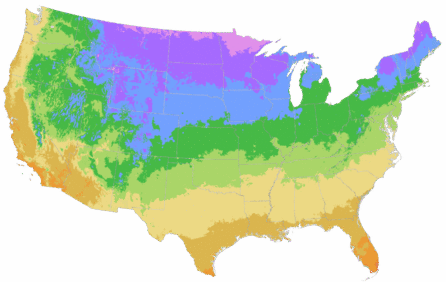
| Care Instructions | Provide average to enriched, well-drained soil. Water deeply, regularly during first growing season to develop an extensive root system. Once established, reduce frequency; tolerates mild drought in mild coastal regions. Survives moderate frosts, but may go dormant at 15° F. In harsher winter climates, bring indoors before threat of frost. |
| History | An Anthony Tesselaar International introduction. Festival ™ Raspberry's parentage includes: C. australis, C. pumilio, and C. banksii. Cordylines normally grow into small trees or palm-like evergreen shrubs with a trunk, however the Festival™ cordylines are different in that in that they are basal branching, forming multiple short stems spreading out from the base of the plant to create a sturdy low-growing grass-like plant, reaching no more than 3 feet tall. |
| Lore | Cordylines are indigenous to Australia, New Zealand and the western Pacific region. This vast group is classified in the Agavaceae family with most members native to India, Australasia and Polynesia. The genus was named by French botanist, Philibert Commerson in the middle 18th century who derived it from the Greek for club, referring to the thick club-shaped root. The entire genus Cordyline is always subject to a great deal of confusion because of their similarity to both Phormium and Yucca. This is complicated by their former genus, Dracaena, Batistii, and Robinsoniana. |
Details
| Description | Arching, strap-like, burgundy leaves have a bright raspberry edge, adding dramatic color and texture to the garden. Small white flowers appear in summer. This new compact selection performs beautifully in shaded areas or dappled sun; tolerates morning sun. Use in mixed borders in frost free areas. Excellent in containers. Evergreen. |
|---|---|
| Bloom Time | Late spring to early summer |
| Deciduous/Evergreen | Evergreen |
| Special Features | Dramatic Foliage Color, Easy Care, Fast Growing, Compact Form |
| Problems/Solutions | Coastal Exposure, Deer Resistant |
| Growth Rate | Moderate |
| Flower Attributes | Fragrant, Showy Flowers |
| Patent Act | Asexual reproduction of plants protected by the Plant Patent Act is prohibited during the life of the patent. |
Style
| Landscape Use | Border, Container, Houseplant, Poolside |
|---|---|
| Design Ideas | Pair with plants that have bright green or gold foliage for exceptional contrast. Situate to brighten and add drama to shaded or dappled sun areas. Cascading strappy leaves can create a fountain effect that is highly prized in garden and container plantings. It is favored by modern garden designers who love its unique form and color for single specimens in ground or in simple geometric containers. Use decadent glazed ceramic pots and urns to give this plant a rich Asian flare. |
| Flower Color | Pink |
| Foliage Color | Red |
| Companion Plants | Bush Daisy (Euryops); Mexican Heather (Cuphea); Verbena (Verbena); Lantana (Lantana); Canna (Canna) |
Care
| Care Instructions | Provide average to enriched, well-drained soil. Water deeply, regularly during first growing season to develop an extensive root system. Once established, reduce frequency; tolerates mild drought in mild coastal regions. Survives moderate frosts, but may go dormant at 15° F. In harsher winter climates, bring indoors before threat of frost. |
|---|
History
| History | An Anthony Tesselaar International introduction. Festival ™ Raspberry's parentage includes: C. australis, C. pumilio, and C. banksii. Cordylines normally grow into small trees or palm-like evergreen shrubs with a trunk, however the Festival™ cordylines are different in that in that they are basal branching, forming multiple short stems spreading out from the base of the plant to create a sturdy low-growing grass-like plant, reaching no more than 3 feet tall. |
|---|---|
| Lore | Cordylines are indigenous to Australia, New Zealand and the western Pacific region. This vast group is classified in the Agavaceae family with most members native to India, Australasia and Polynesia. The genus was named by French botanist, Philibert Commerson in the middle 18th century who derived it from the Greek for club, referring to the thick club-shaped root. The entire genus Cordyline is always subject to a great deal of confusion because of their similarity to both Phormium and Yucca. This is complicated by their former genus, Dracaena, Batistii, and Robinsoniana. |
Retailers Near You
About Us
We have been pioneers and craftsmen in the art of growing plants for 100 years. Since our founding in Southern California by Harry E. Rosedale, Sr. in 1926, we have been absolutely dedicated and obsessed with quality.
We have been pioneers and craftsmen in the art of growing plants for nearly 100 years. Since our founding in Southern California by Harry E. Rosedale, Sr. in 1926, we have been absolutely dedicated and obsessed with quality.