
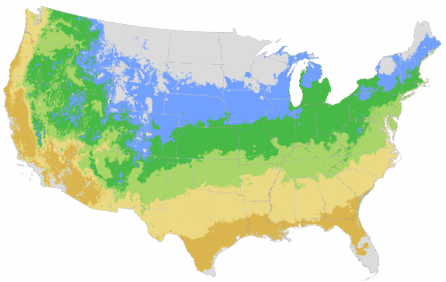
You're growing in this Zip Code:
Change LocationDiscover Plants for Your Area
Fiveleaf Akebia
Akebia quinata
Pronunciation: a-KEE-bee-a kwi-NAH-ta
SKU #00259
LIGHT:
Full sun, Partial sun
WATER:
Keep soil moderately moist.
SIZE:
Twining stems reach 20 to 25 ft. long, with support.

Home Delivery Price
?
- Arrives in 3 to 7 days
- Free shipping on orders over $99
- Perfect Start Promise
Select Quantity
Retailers Near You
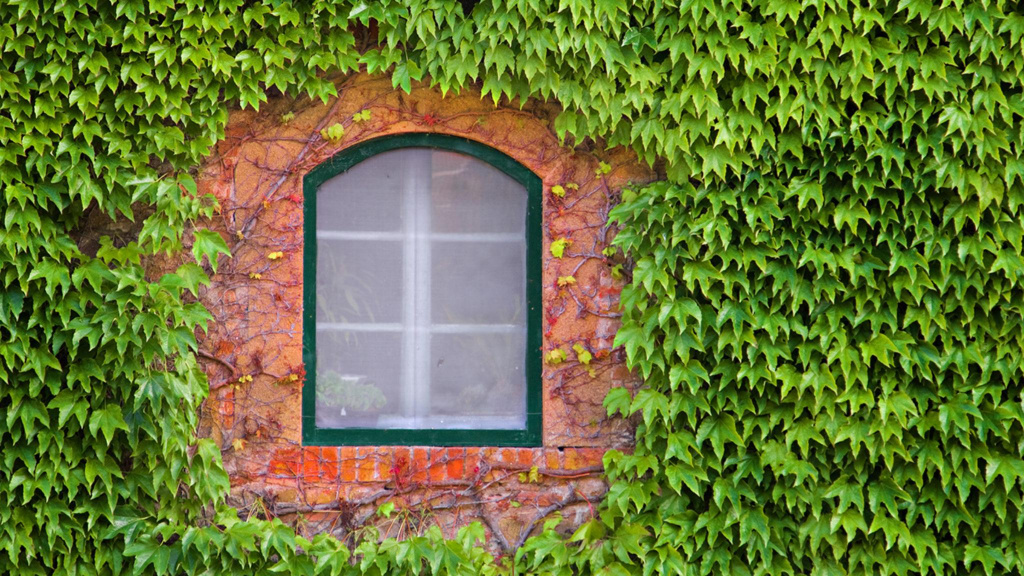
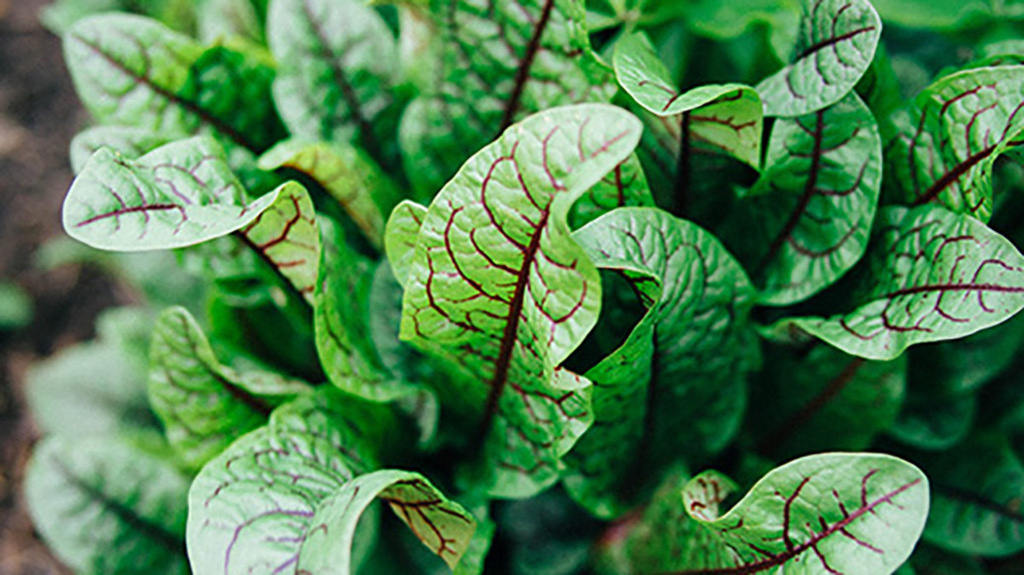
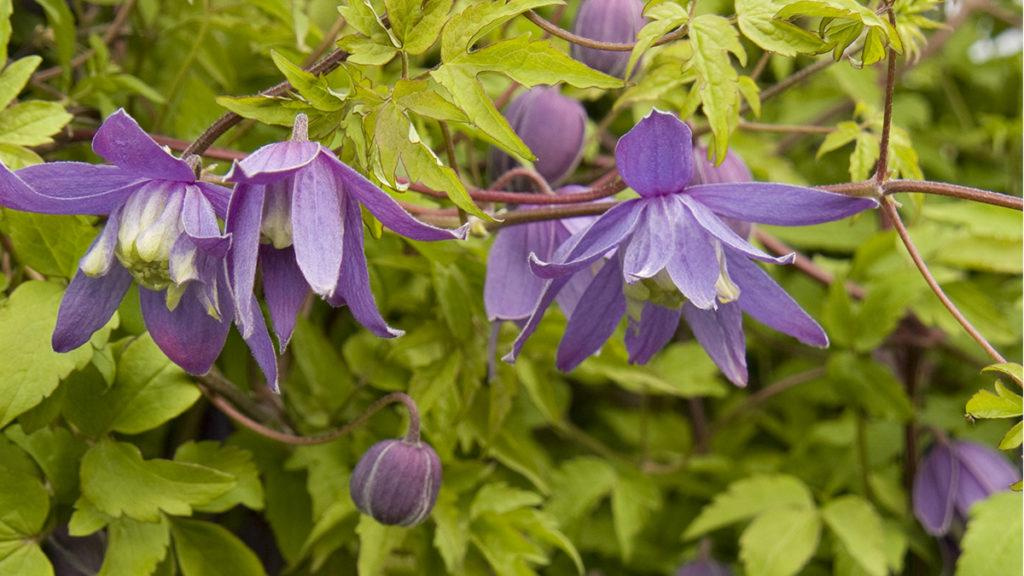
| Description | This vigorously spreading and climbing vine displays attractive, blue-green foliage. Dangling stalks of chocolate-scented, deep purple flowers add to the show. Produces interesting, elongated seed pods if another akebia is planted nearby. Creates a quick cover for arbors in warm winter regions; slower growing in colder regions. Semi-evergreen. |
|---|---|
| Bloom Time | Spring |
| Deciduous/Evergreen | Semi-Evergreen |
| Special Features | Easy Care, Showy Fruit, Edible, Fast Growing |
| Growth Rate | Moderate |
| Growth Habit | Climbing |
| Flower Attributes | Fragrant, Showy Flowers |
| Landscape Use | Container, Espalier, Privacy Screen, Ground Cover |
| Design Ideas | Often used as evergreen background trained on fence, trellis or wall in milder climates. Deciduous in less temperate regions. May be allowed to sprawl as groundcover. Exceptional choice for tropical looks and fantasy gardens. |
| Flower Color | Purple |
| Foliage Color | Blue-green |
| Companion Plants | Clematis (Clematis); Black-Eyed Susan (Rudbeckia); Coneflower (Echinacea); Trumpet Vine (Campsis); Butterfly Weed (Asclepias) |
| Care Instructions | Grows easily in most soil types; thrives in moist, well-drained, sandy loam. Water deeply, regularly in first growing season to establish an extensive root system; once established, water as needed to maintain evenly moist soil. Apply fertilizer monthly to lean soils. Provide support such as a trellis or arbor. Prune annually to control size. |
| History | This vine was first classified by French Botanist Decasine in the 19th century from the given name for the plant by the Japanese. Robert Fortune introduced it as Rajania into Britain in 1845. |
| Lore | This vine in the only genus of the Lardizabalaceae in cultivation today. |
Details
| Description | This vigorously spreading and climbing vine displays attractive, blue-green foliage. Dangling stalks of chocolate-scented, deep purple flowers add to the show. Produces interesting, elongated seed pods if another akebia is planted nearby. Creates a quick cover for arbors in warm winter regions; slower growing in colder regions. Semi-evergreen. |
|---|---|
| Bloom Time | Spring |
| Deciduous/Evergreen | Semi-Evergreen |
| Special Features | Easy Care, Showy Fruit, Edible, Fast Growing |
| Growth Rate | Moderate |
| Growth Habit | Climbing |
| Flower Attributes | Fragrant, Showy Flowers |
Style
| Landscape Use | Container, Espalier, Privacy Screen, Ground Cover |
|---|---|
| Design Ideas | Often used as evergreen background trained on fence, trellis or wall in milder climates. Deciduous in less temperate regions. May be allowed to sprawl as groundcover. Exceptional choice for tropical looks and fantasy gardens. |
| Flower Color | Purple |
| Foliage Color | Blue-green |
| Companion Plants | Clematis (Clematis); Black-Eyed Susan (Rudbeckia); Coneflower (Echinacea); Trumpet Vine (Campsis); Butterfly Weed (Asclepias) |
Care
| Care Instructions | Grows easily in most soil types; thrives in moist, well-drained, sandy loam. Water deeply, regularly in first growing season to establish an extensive root system; once established, water as needed to maintain evenly moist soil. Apply fertilizer monthly to lean soils. Provide support such as a trellis or arbor. Prune annually to control size. |
|---|
History
| History | This vine was first classified by French Botanist Decasine in the 19th century from the given name for the plant by the Japanese. Robert Fortune introduced it as Rajania into Britain in 1845. |
|---|---|
| Lore | This vine in the only genus of the Lardizabalaceae in cultivation today. |
Frequently asked questions
Does Fiveleaf Akebia produce flowers?
Spring
Is Fiveleaf Akebia evergreen or deciduous?
Fiveleaf Akebia is Semi-Evergreen.
What are the special features of Fiveleaf Akebia?
Fiveleaf Akebia is Easy Care, Showy Fruit, Edible, Fast Growing.
How fast does Fiveleaf Akebia grow?
Fiveleaf Akebia has a Moderate growth rate.
What is the growth habit of Fiveleaf Akebia?
Fiveleaf Akebia grows in an Climbing habit.
Where can I use Fiveleaf Akebia in my landscape?
Fiveleaf Akebia is suitable for: Container, Espalier, Privacy Screen, Ground Cover.
How can I use Fiveleaf Akebia in my garden design?
Often used as evergreen background trained on fence, trellis or wall in milder climates. Deciduous in less temperate regions. May be allowed to sprawl as groundcover. Exceptional choice for tropical looks and fantasy gardens.
What color are Fiveleaf Akebia flowers?
Fiveleaf Akebia produces Purple flowers.
What color is the foliage of Fiveleaf Akebia?
Fiveleaf Akebia has Blue-green foliage.
What plants grow well with Fiveleaf Akebia?
Good companion plants for Fiveleaf Akebia include: Clematis (Clematis); Black-Eyed Susan (Rudbeckia); Coneflower (Echinacea); Trumpet Vine (Campsis); Butterfly Weed (Asclepias).
How do I care for Fiveleaf Akebia?
Grows easily in most soil types; thrives in moist, well-drained, sandy loam. Water deeply, regularly in first growing season to establish an extensive root system; once established, water as needed to maintain evenly moist soil. Apply fertilizer monthly to lean soils. Provide support such as a trellis or arbor. Prune annually to control size.
What is the history of Fiveleaf Akebia?
This vine was first classified by French Botanist Decasine in the 19th century from the given name for the plant by the Japanese. Robert Fortune introduced it as Rajania into Britain in 1845.
Retailers Near You
About Us
We have been pioneers and craftsmen in the art of growing plants for 100 years. Since our founding in Southern California by Harry E. Rosedale, Sr. in 1926, we have been absolutely dedicated and obsessed with quality.
We have been pioneers and craftsmen in the art of growing plants for nearly 100 years. Since our founding in Southern California by Harry E. Rosedale, Sr. in 1926, we have been absolutely dedicated and obsessed with quality.