
You're growing in this Zip Code:
Discover Plants for Your Area
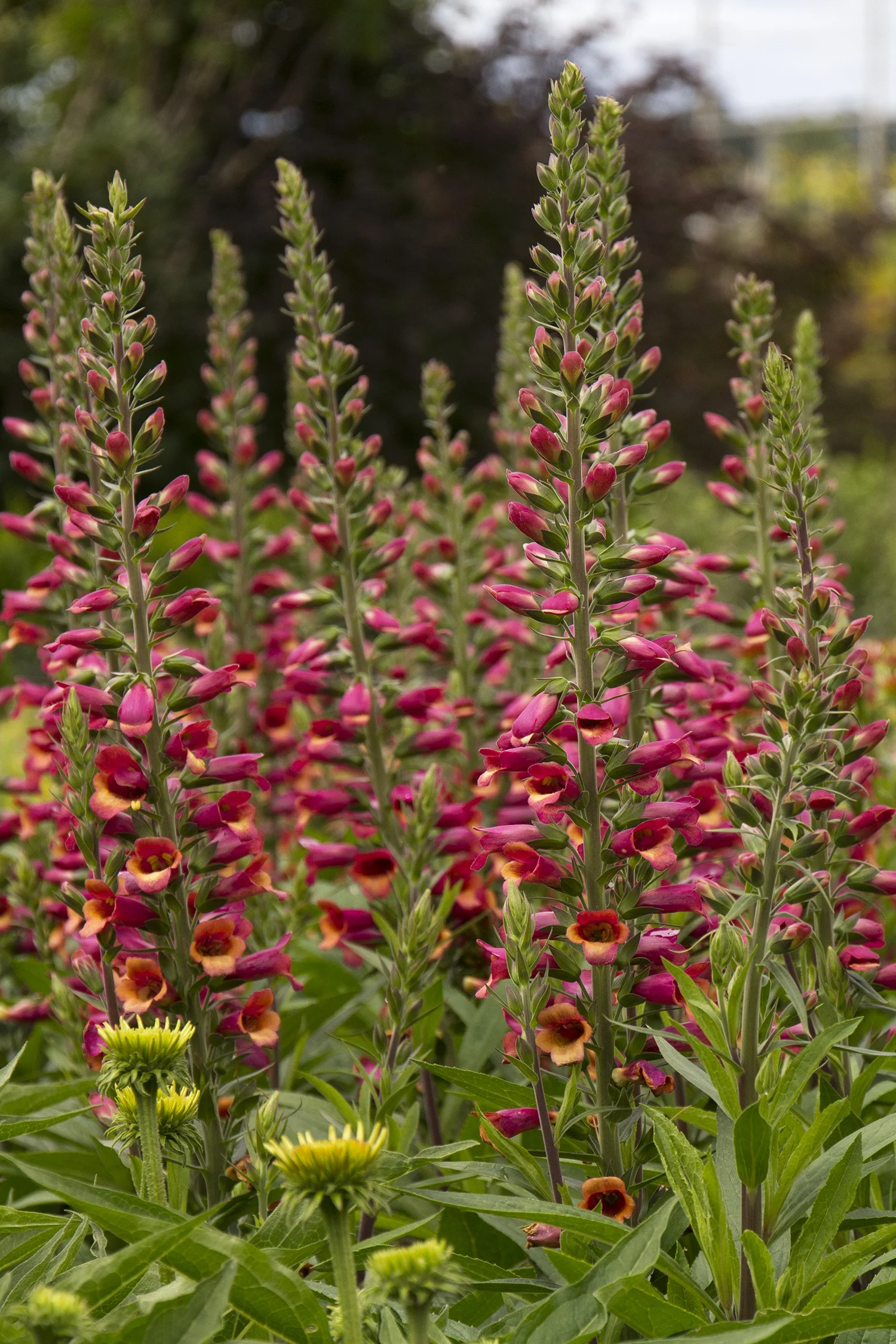
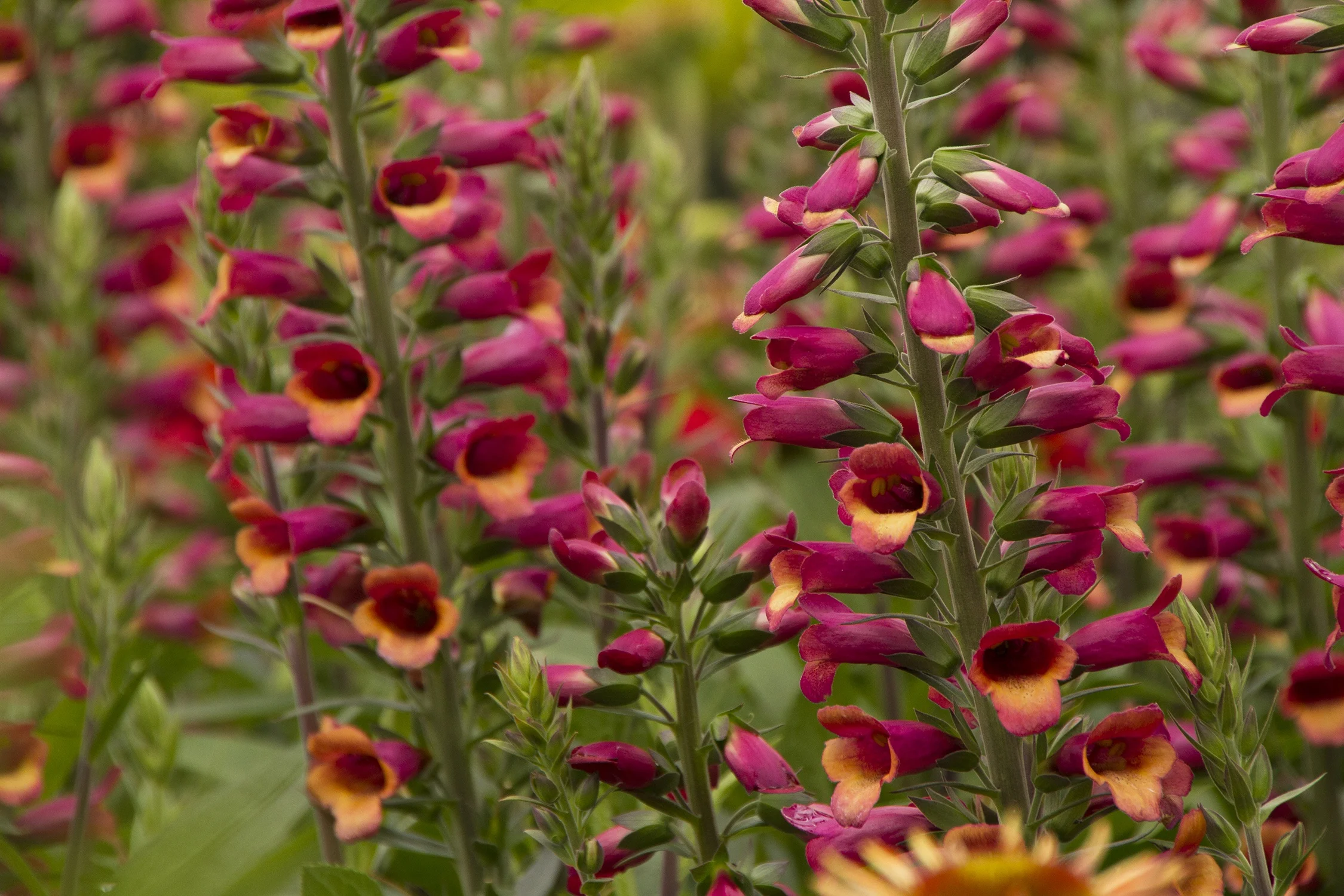
Foxlight™ Ruby Glow Foxglove
Digitalis x 'Takforugl' PP #25,640
Pronunciation: dig-ee-TAH-liss
SKU #41042
LIGHT:
Full sun, Partial sun
WATER:
Water when top 2 inches of soil is dry.
SIZE:
Foliage reaches 22 to 24 in. tall, 18 to 20 in. wide; to 3 ft. in bloom.

Retailers Near You
Ready to Grow?
Ship Monrovia plants directly to your door. Browse a curated selection available online.
Shop Now >This Plant's Growing Zones: 7-10
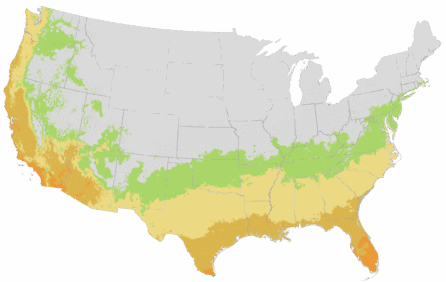
Your USDA Cold Hardiness Zone:
| Description | Bold spikes of deep ruby-pink flowers with orange centers bolt from soft mounds of foliage. The outward facing blooms create a super show and keep coming all summer. Perfect in garden beds or containers. Essential to cottage and perennial borders. An extraordinary cut flower! An herbaceous perennial. |
|---|---|
| Bloom Time | Late spring through summer |
| Deciduous/Evergreen | Herbaceous |
| Special Features | Attracts Butterflies, Attracts Hummingbirds, Attracts Pollinators, Compact Form |
| Problems/Solutions | Deer Resistant |
| Growth Rate | Moderate |
| Flower Attributes | Flowers for Cutting, Long Bloom Season, Showy Flowers |
| Patent Act | Asexual reproduction of plants protected by the Plant Patent Act is prohibited during the life of the patent. |
| Landscape Use | Border, Container |
| Flower Color | Purplish-pink |
| Foliage Color | Gray-green |
| Companion Plants | Hosta (Hosta); Coneflower (Echinacea); Daylily (Hemerocallis); Shasta Daisy (Chrysanthemum); Speedwell (Veronica) |
| Care Instructions | Provide enriched, evenly moist, well-drained soil. Protect from harsh sun in hot climates. Water deeply, regularly in first growing season to establish root system. Feed monthly during growing season. Remove spent flowers to encourage heavier blooming. Caution: Flowers and leaves are toxic if ingested. |
| History | Various species of Digitalis are native to Europe, northwest Africa, and parts of Asia. This hybrid was introduced in 2015 by Darwin Perennials as part of the Foxlight series. Plantarium 2016 Silver Medal Winner. |
| Lore | First-century Greek surgeon Dioscorides is said to have carried foxgloves with him when he traveled with Nero's army. It was often grown in cottage gardens in the Middle Ages. In the 17th century, herbalists recommended using the flowers to make a salve for skin afflictions. Today foxgloves are a source of digitalin, used in a drug used to treat heart problems. However, flowers and leaves are toxic if ingested. Not fit for human or animal consumption. |
Details
| Description | Bold spikes of deep ruby-pink flowers with orange centers bolt from soft mounds of foliage. The outward facing blooms create a super show and keep coming all summer. Perfect in garden beds or containers. Essential to cottage and perennial borders. An extraordinary cut flower! An herbaceous perennial. |
|---|---|
| Bloom Time | Late spring through summer |
| Deciduous/Evergreen | Herbaceous |
| Special Features | Attracts Butterflies, Attracts Hummingbirds, Attracts Pollinators, Compact Form |
| Problems/Solutions | Deer Resistant |
| Growth Rate | Moderate |
| Flower Attributes | Flowers for Cutting, Long Bloom Season, Showy Flowers |
| Patent Act | Asexual reproduction of plants protected by the Plant Patent Act is prohibited during the life of the patent. |
Style
| Landscape Use | Border, Container |
|---|---|
| Flower Color | Purplish-pink |
| Foliage Color | Gray-green |
| Companion Plants | Hosta (Hosta); Coneflower (Echinacea); Daylily (Hemerocallis); Shasta Daisy (Chrysanthemum); Speedwell (Veronica) |
Care
| Care Instructions | Provide enriched, evenly moist, well-drained soil. Protect from harsh sun in hot climates. Water deeply, regularly in first growing season to establish root system. Feed monthly during growing season. Remove spent flowers to encourage heavier blooming. Caution: Flowers and leaves are toxic if ingested. |
|---|
History
| History | Various species of Digitalis are native to Europe, northwest Africa, and parts of Asia. This hybrid was introduced in 2015 by Darwin Perennials as part of the Foxlight series. Plantarium 2016 Silver Medal Winner. |
|---|---|
| Lore | First-century Greek surgeon Dioscorides is said to have carried foxgloves with him when he traveled with Nero's army. It was often grown in cottage gardens in the Middle Ages. In the 17th century, herbalists recommended using the flowers to make a salve for skin afflictions. Today foxgloves are a source of digitalin, used in a drug used to treat heart problems. However, flowers and leaves are toxic if ingested. Not fit for human or animal consumption. |
Retailers Near You
About Us
We have been pioneers and craftsmen in the art of growing plants for 100 years. Since our founding in Southern California by Harry E. Rosedale, Sr. in 1926, we have been absolutely dedicated and obsessed with quality.
We have been pioneers and craftsmen in the art of growing plants for nearly 100 years. Since our founding in Southern California by Harry E. Rosedale, Sr. in 1926, we have been absolutely dedicated and obsessed with quality.