
You're growing in this Zip Code:
Change LocationDiscover Plants for Your Area
Foxtail Fern
Asparagus densiflorus 'Myers'
Pronunciation: as-PAIR-uh-gus den-sih-FLOH-rus
SKU #00315
LIGHT:
Filtered sun, Partial shade, Partial sun
WATER:
Water when top 3 inches of soil is dry.
SIZE:
Moderate growing; reaches 2 ft. tall, 2 to 3 ft. wide.

Retailers Near You
Ready to Grow?
Ship Monrovia plants directly to your door. Browse a curated selection available online.
Shop Now >
| Description | This unusual perennial adds textural contrast to beds and borders. Long, upright, plume-like stems hold soft, needle-like leaves. Develops red ornamental berries in fall. An excellent choice for hanging baskets and containers. Semi-evergreen in mild winter regions; use in containers and overwinter indoors in cold winter regions. |
|---|---|
| Bloom Time | Spring |
| Deciduous/Evergreen | Evergreen |
| Special Features | Easy Care, Ornamental Berries, Benefits Birds |
| Problems/Solutions | Coastal Exposure, Deer Resistant, Drought Tolerant |
| Growth Rate | Moderate |
| Growth Habit | Clumping |
| Landscape Use | Border, Container, Houseplant, Ground Cover, Hanging Basket |
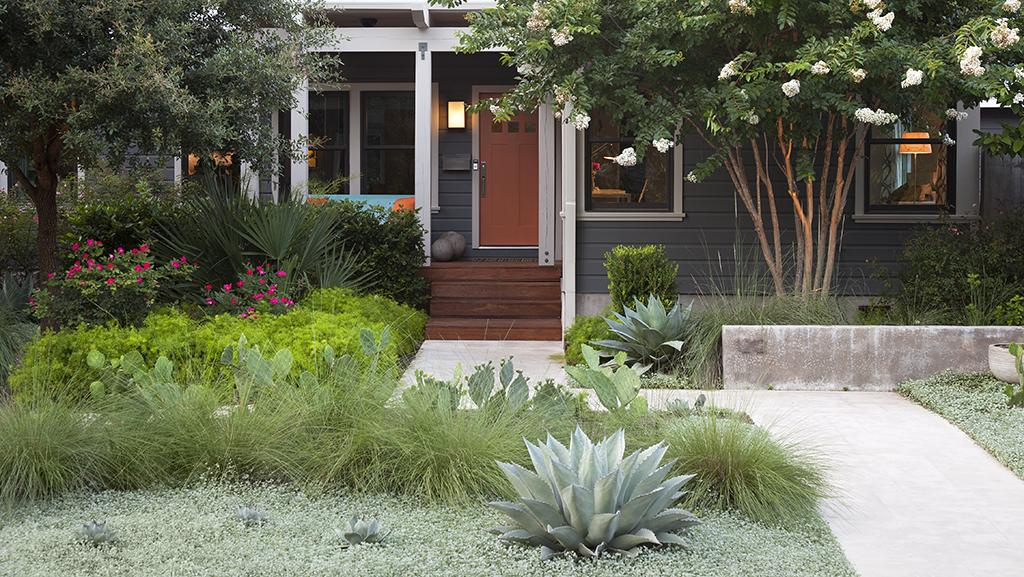
| Design Ideas | The Foxtail Fern's stems, with their many soft, needle-like leaves, point upwards in thick, hair-like branches. Truly a unique plant to be used sparingly in a garden. Whimsical in a hanging basket or border. In a perennial border, could be planted behind flowering groundcover. Non-hardy. |
| Flower Color | White |
| Foliage Color | Light Green |
| Companion Plants | Lantana (Lantana); Hibiscus (Hibiscus); Cordyline (Cordyline); Mandevilla (Mandevilla); Plumbago (Plumbago) |
| Care Instructions | Thrives in enriched, evenly moist, well-drained soils. Avoid harsh, hot afternoon sun exposures. Water deeply, regularly during first growing season to establish an extensive root system. Once established, prefers regular moisture, but tolerates mild drought. For a tidy appearance, remove old, faded stems. Tolerates mild frost. |
| History | Asparagus densiflorus is a perennial herb native to the coastal areas along the southeastern Cape of South Africa. The genus Asparagus was first recorded in 1686. It is considered toxic to domestic cats. |
Details
| Description | This unusual perennial adds textural contrast to beds and borders. Long, upright, plume-like stems hold soft, needle-like leaves. Develops red ornamental berries in fall. An excellent choice for hanging baskets and containers. Semi-evergreen in mild winter regions; use in containers and overwinter indoors in cold winter regions. |
|---|---|
| Bloom Time | Spring |
| Deciduous/Evergreen | Evergreen |
| Special Features | Easy Care, Ornamental Berries, Benefits Birds |
| Problems/Solutions | Coastal Exposure, Deer Resistant, Drought Tolerant |
| Growth Rate | Moderate |
| Growth Habit | Clumping |
Style
| Landscape Use | Border, Container, Houseplant, Ground Cover, Hanging Basket |
|---|---|
| Design Ideas | The Foxtail Fern's stems, with their many soft, needle-like leaves, point upwards in thick, hair-like branches. Truly a unique plant to be used sparingly in a garden. Whimsical in a hanging basket or border. In a perennial border, could be planted behind flowering groundcover. Non-hardy. |
| Flower Color | White |
| Foliage Color | Light Green |
| Companion Plants | Lantana (Lantana); Hibiscus (Hibiscus); Cordyline (Cordyline); Mandevilla (Mandevilla); Plumbago (Plumbago) |
Care
| Care Instructions | Thrives in enriched, evenly moist, well-drained soils. Avoid harsh, hot afternoon sun exposures. Water deeply, regularly during first growing season to establish an extensive root system. Once established, prefers regular moisture, but tolerates mild drought. For a tidy appearance, remove old, faded stems. Tolerates mild frost. |
|---|
History
| History | Asparagus densiflorus is a perennial herb native to the coastal areas along the southeastern Cape of South Africa. The genus Asparagus was first recorded in 1686. It is considered toxic to domestic cats. |
|---|
Frequently asked questions
Does Foxtail Fern produce flowers?
Spring
Is Foxtail Fern evergreen or deciduous?
Foxtail Fern is Evergreen.
What are the special features of Foxtail Fern?
Foxtail Fern is Easy Care, Ornamental Berries, Benefits Birds.
Is Foxtail Fern resistant to pests or animals?
Coastal Exposure, Deer Resistant, Drought Tolerant
How fast does Foxtail Fern grow?
Foxtail Fern has a Moderate growth rate.
What is the growth habit of Foxtail Fern?
Foxtail Fern grows in an Clumping habit.
Where can I use Foxtail Fern in my landscape?
Foxtail Fern is suitable for: Border, Container, Houseplant, Ground Cover, Hanging Basket.
How can I use Foxtail Fern in my garden design?
The Foxtail Fern's stems, with their many soft, needle-like leaves, point upwards in thick, hair-like branches. Truly a unique plant to be used sparingly in a garden. Whimsical in a hanging basket or border. In a perennial border, could be planted behind flowering groundcover. Non-hardy.
What color are Foxtail Fern flowers?
Foxtail Fern produces White flowers.
What color is the foliage of Foxtail Fern?
Foxtail Fern has Light Green foliage.
What plants grow well with Foxtail Fern?
Good companion plants for Foxtail Fern include: Lantana (Lantana); Hibiscus (Hibiscus); Cordyline (Cordyline); Mandevilla (Mandevilla); Plumbago (Plumbago).
How do I care for Foxtail Fern?
Thrives in enriched, evenly moist, well-drained soils. Avoid harsh, hot afternoon sun exposures. Water deeply, regularly during first growing season to establish an extensive root system. Once established, prefers regular moisture, but tolerates mild drought. For a tidy appearance, remove old, faded stems. Tolerates mild frost.
What is the history of Foxtail Fern?
Asparagus densiflorus is a perennial herb native to the coastal areas along the southeastern Cape of South Africa. The genus Asparagus was first recorded in 1686. It is considered toxic to domestic cats.
Retailers Near You
About Us
We have been pioneers and craftsmen in the art of growing plants for 100 years. Since our founding in Southern California by Harry E. Rosedale, Sr. in 1926, we have been absolutely dedicated and obsessed with quality.
We have been pioneers and craftsmen in the art of growing plants for nearly 100 years. Since our founding in Southern California by Harry E. Rosedale, Sr. in 1926, we have been absolutely dedicated and obsessed with quality.