
You're growing in this Zip Code:
Change LocationDiscover Plants for Your Area
Fragrant Sweet Box
Sarcococca ruscifolia
Pronunciation: sar-ko-KOHK-a rus-si-FOH-li-a
SKU #07051
LIGHT:
Full shade
WATER:
Once established, water occasionally.
SIZE:
Slowly reaches 3 to 5 ft. tall and wide.

Retailers Near You
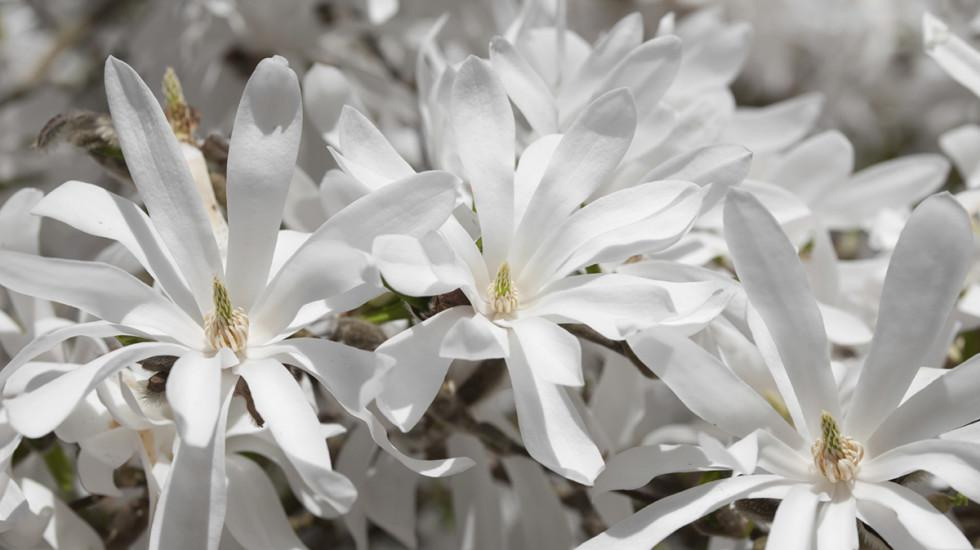

| Description | A beautiful shrub for shady areas! White spring flowers are small, but very fragrant. Blooms are followed by bright red ornamental fruit. Forms natural espalier against a wall. An outstanding choice for dry shade gardens where other plants won't grow! Evergreen. |
|---|---|
| Bloom Time | Early spring |
| Deciduous/Evergreen | Evergreen |
| Special Features | Improved Pest and Disease Resistance, Showy Fruit, Waterwise |
| Problems/Solutions | Deer Resistant, Rabbit Resistant, Dry Shade |
| Growth Rate | Slow |
| Growth Habit | Rounded |
| Flower Attributes | Fragrant |
| Landscape Use | Border, Espalier, Hedge, Ground Cover |
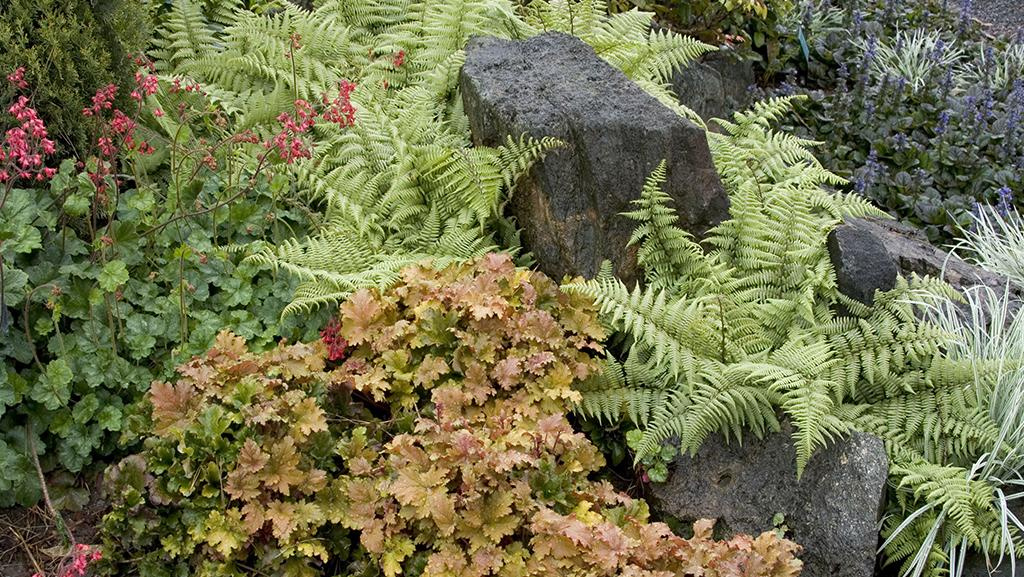
| Design Ideas | Fragrance makes this an important shrub around windows, doors and outdoor living areas. Evergreen foliage is also ideal for covering up footings, vents, utilities and other unsightly spots around foundation planting. Deep green foliage is an exceptional background for artistic elements or intensely colored perennials. A great choice for shaded areas between buildings or where influence of large old shade or street trees limit plant choices to shade tolerant species. |
| Flower Color | White |
| Foliage Color | Green |
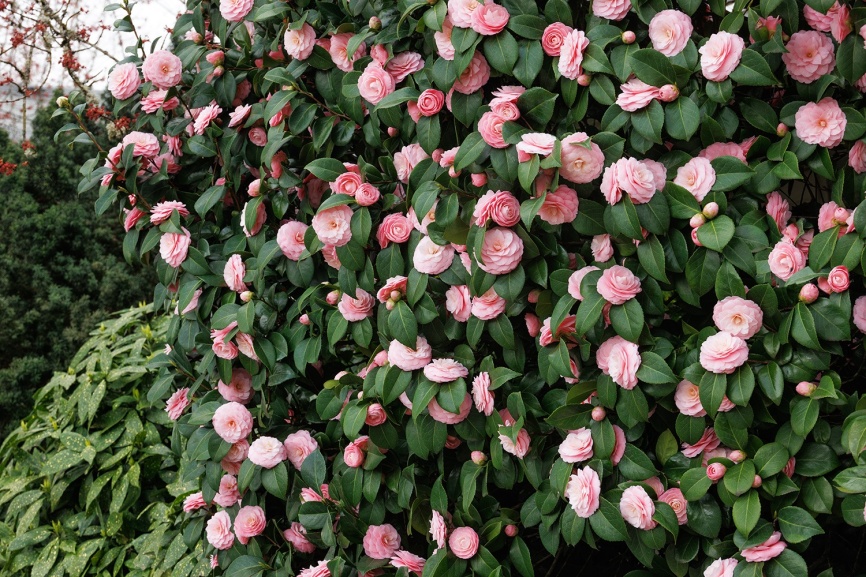
| Companion Plants | Hydrangea (Hydrangea); Camellia (Camellia); Astilbe (Astilbe); Yew (Taxus); Azalea (Azalea) |
| Care Instructions | Provide fertile, humus-rich, moist, well-drained soil. Shelter from cold, drying winds. Water deeply, regularly during first growing season to establish an extensive root system; reduce frequency, once established. Apply fertilizer in early spring. For a tidy appearance, prune annually to shape. |
| History | This species is native to the Himalayas of China, grouped into the boxwood family. It was introduced by Hooker rather late after he returned from a collecting trip in 1901. |
| Lore | The fact that this species is polyembryonic, with up to seven embryos in one seed. It was first thought to be the result of atomic bomb radiation, but was proved later that the anomaly began before 1923 and therefore was a natural mutation. |
Details
| Description | A beautiful shrub for shady areas! White spring flowers are small, but very fragrant. Blooms are followed by bright red ornamental fruit. Forms natural espalier against a wall. An outstanding choice for dry shade gardens where other plants won't grow! Evergreen. |
|---|---|
| Bloom Time | Early spring |
| Deciduous/Evergreen | Evergreen |
| Special Features | Improved Pest and Disease Resistance, Showy Fruit, Waterwise |
| Problems/Solutions | Deer Resistant, Rabbit Resistant, Dry Shade |
| Growth Rate | Slow |
| Growth Habit | Rounded |
| Flower Attributes | Fragrant |
Style
| Landscape Use | Border, Espalier, Hedge, Ground Cover |
|---|---|
| Design Ideas | Fragrance makes this an important shrub around windows, doors and outdoor living areas. Evergreen foliage is also ideal for covering up footings, vents, utilities and other unsightly spots around foundation planting. Deep green foliage is an exceptional background for artistic elements or intensely colored perennials. A great choice for shaded areas between buildings or where influence of large old shade or street trees limit plant choices to shade tolerant species. |
| Flower Color | White |
| Foliage Color | Green |
| Companion Plants | Hydrangea (Hydrangea); Camellia (Camellia); Astilbe (Astilbe); Yew (Taxus); Azalea (Azalea) |
Care
| Care Instructions | Provide fertile, humus-rich, moist, well-drained soil. Shelter from cold, drying winds. Water deeply, regularly during first growing season to establish an extensive root system; reduce frequency, once established. Apply fertilizer in early spring. For a tidy appearance, prune annually to shape. |
|---|
History
| History | This species is native to the Himalayas of China, grouped into the boxwood family. It was introduced by Hooker rather late after he returned from a collecting trip in 1901. |
|---|---|
| Lore | The fact that this species is polyembryonic, with up to seven embryos in one seed. It was first thought to be the result of atomic bomb radiation, but was proved later that the anomaly began before 1923 and therefore was a natural mutation. |
Retailers Near You
About Us
We have been pioneers and craftsmen in the art of growing plants for 100 years. Since our founding in Southern California by Harry E. Rosedale, Sr. in 1926, we have been absolutely dedicated and obsessed with quality.
We have been pioneers and craftsmen in the art of growing plants for nearly 100 years. Since our founding in Southern California by Harry E. Rosedale, Sr. in 1926, we have been absolutely dedicated and obsessed with quality.