
You're growing in this Zip Code:
Discover Plants for Your Area
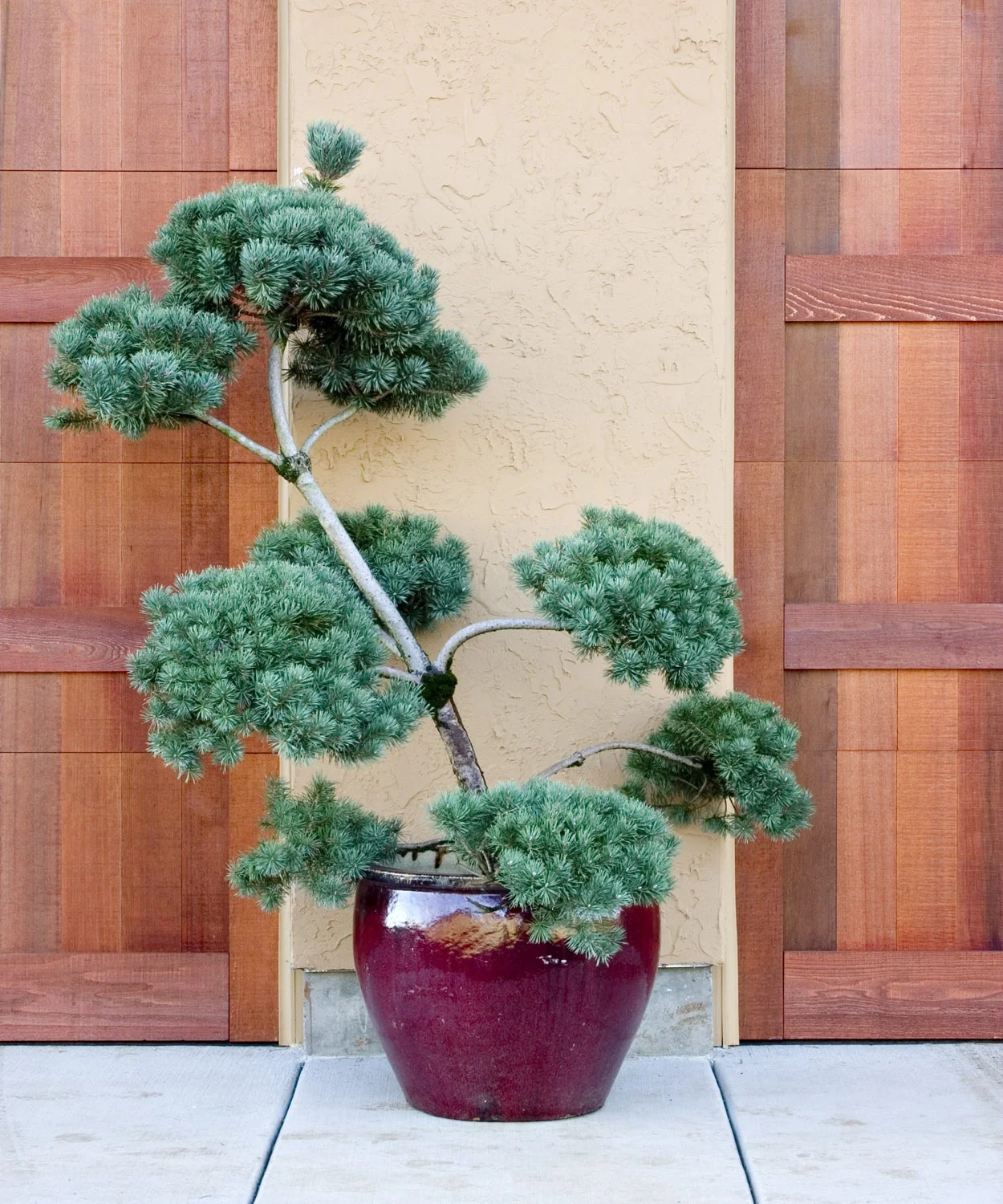
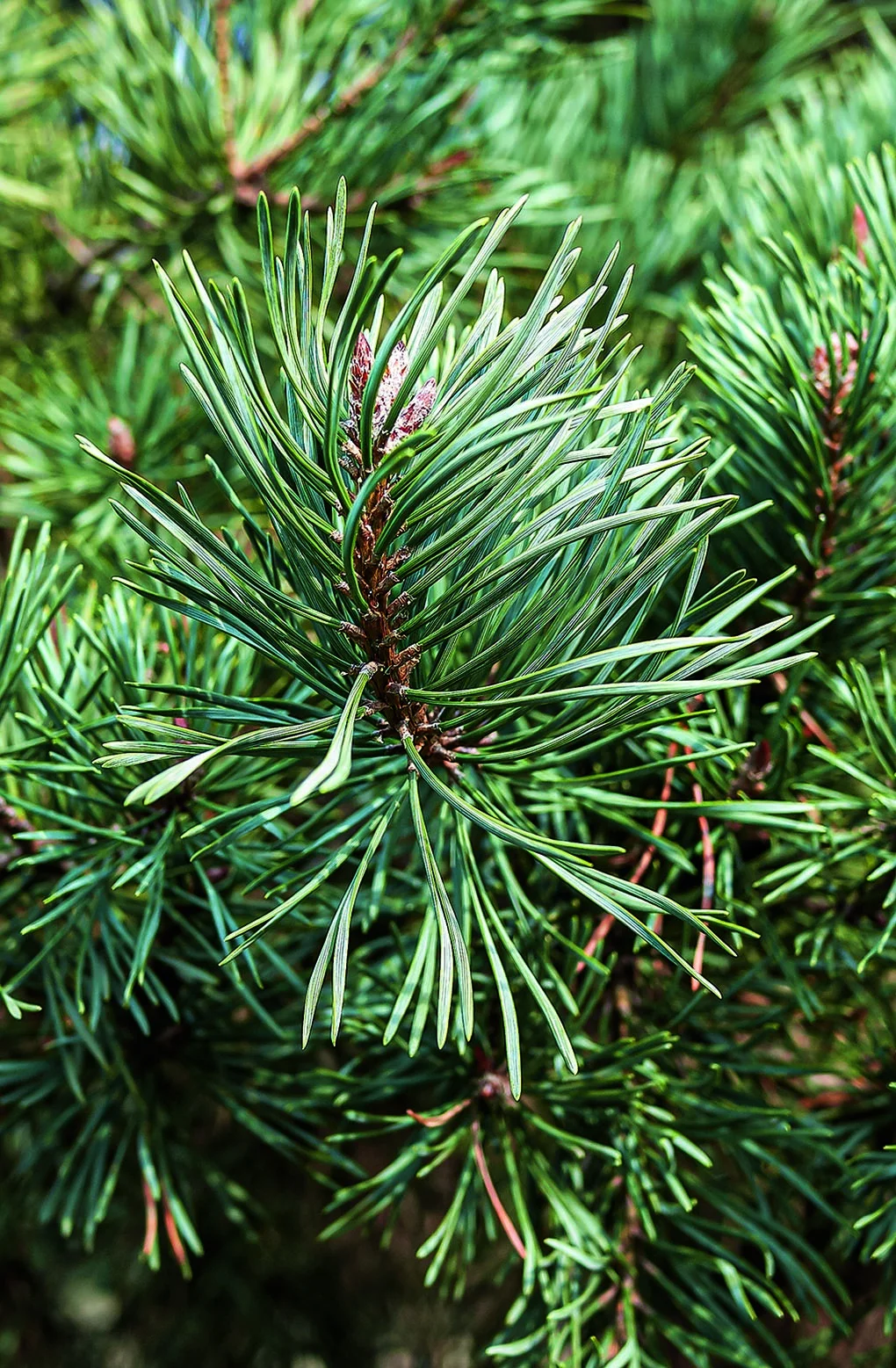
French Blue Scotch Pine
Pinus sylvestris 'French Blue'
Pronunciation: PY-nus sil-VES-tris
SKU #06552
LIGHT:
Full sun
WATER:
Water when top 2 inches of soil is dry.
SIZE:
Reaches 40 to 60 ft. tall, 20 to 25 ft. wide, in natural form. Prune to maintain topiary form.

Retailers Near You
Ready to Grow?
Ship Monrovia plants directly to your door. Browse a curated selection available online.
Shop Now >This Plant's Growing Zones: 2-7
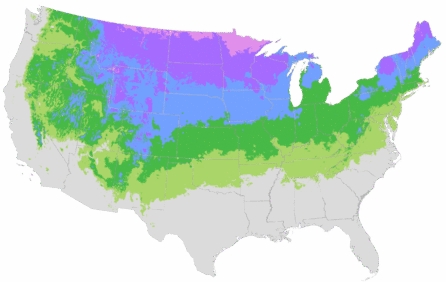
Your USDA Cold Hardiness Zone:
| Description | A superior selection of this popular evergreen tree. Foliage is brighter blue than other forms; the coloring is retained through the winter. Growth habit is more uniform and compact. Often trained into topiary form, continued training and pruning will control the size of this large tree. A lovely accent. |
|---|---|
| Bloom Time | Conifer; prized for foliage. |
| Deciduous/Evergreen | Evergreen |
| Special Features | Dramatic Foliage Color, Easy Care, Showy Fruit, Waterwise, Compact Form, Benefits Birds |
| Problems/Solutions | Deer Resistant, Rabbit Resistant |
| Growth Rate | Moderate |
| Growth Habit | Pyramidal |
| Landscape Use | Privacy Screen, Windbreak, Suitable for Topiary |
| Design Ideas | This is a very hardy Pine for larger suburban homesites, where it's blue tint is a fine contrast against more emerald evergreens. Plant in a dense group to provide a woodland enclosure for more spectacular deciduous trees and shrubs. Makes a great single accent or use a pair to flank a driveway entry. Good choice for screening off neighboring multistory windows. Tall and thin, it makes a good small-scale windrow or use as a shelterbelt component. |
| Foliage Color | Blue-green |
| Companion Plants | Switch Grass (Panicum); False Cypress (Chamaecyparis); Black-Eyed Susan (Rudbeckia); Russian Sage (Perovskia); Coneflower (Echinacea) |
| Care Instructions | Provide enriched, loamy, well-drained soil. Water deeply and regularly during the first growing season to establish an extensive root system; once established, reduce frequency. Feed with a general purpose fertilizer before new growth begins in spring. Prune as needed to maintain topiary size and shape. |
| History | This moderate sized forest pine is native to the northern regions over a large range from Siberia west across Europe to Scotland. These trees are highly adapted to very damp, cold and acidic soil and for that reason have proven useful in Canada. It was classified by Linnaeus in the 18th century, who named both its genus and species. Trees were first introduced into North America in colonial times. This variety is considered the best and clearest blue of all its contemporary cultivars. |
Details
| Description | A superior selection of this popular evergreen tree. Foliage is brighter blue than other forms; the coloring is retained through the winter. Growth habit is more uniform and compact. Often trained into topiary form, continued training and pruning will control the size of this large tree. A lovely accent. |
|---|---|
| Bloom Time | Conifer; prized for foliage. |
| Deciduous/Evergreen | Evergreen |
| Special Features | Dramatic Foliage Color, Easy Care, Showy Fruit, Waterwise, Compact Form, Benefits Birds |
| Problems/Solutions | Deer Resistant, Rabbit Resistant |
| Growth Rate | Moderate |
| Growth Habit | Pyramidal |
Style
| Landscape Use | Privacy Screen, Windbreak, Suitable for Topiary |
|---|---|
| Design Ideas | This is a very hardy Pine for larger suburban homesites, where it's blue tint is a fine contrast against more emerald evergreens. Plant in a dense group to provide a woodland enclosure for more spectacular deciduous trees and shrubs. Makes a great single accent or use a pair to flank a driveway entry. Good choice for screening off neighboring multistory windows. Tall and thin, it makes a good small-scale windrow or use as a shelterbelt component. |
| Foliage Color | Blue-green |
| Companion Plants | Switch Grass (Panicum); False Cypress (Chamaecyparis); Black-Eyed Susan (Rudbeckia); Russian Sage (Perovskia); Coneflower (Echinacea) |
Care
| Care Instructions | Provide enriched, loamy, well-drained soil. Water deeply and regularly during the first growing season to establish an extensive root system; once established, reduce frequency. Feed with a general purpose fertilizer before new growth begins in spring. Prune as needed to maintain topiary size and shape. |
|---|
History
| History | This moderate sized forest pine is native to the northern regions over a large range from Siberia west across Europe to Scotland. These trees are highly adapted to very damp, cold and acidic soil and for that reason have proven useful in Canada. It was classified by Linnaeus in the 18th century, who named both its genus and species. Trees were first introduced into North America in colonial times. This variety is considered the best and clearest blue of all its contemporary cultivars. |
|---|
Retailers Near You
About Us
We have been pioneers and craftsmen in the art of growing plants for 100 years. Since our founding in Southern California by Harry E. Rosedale, Sr. in 1926, we have been absolutely dedicated and obsessed with quality.
We have been pioneers and craftsmen in the art of growing plants for nearly 100 years. Since our founding in Southern California by Harry E. Rosedale, Sr. in 1926, we have been absolutely dedicated and obsessed with quality.