
You're growing in this Zip Code:
Change LocationDiscover Plants for Your Area
Frostberry Delight® Rabbiteye Blueberry
Vaccinium ashei 'T-460' PP #28,624
Pronunciation: vak-SIN-ee-um ASH-ee-eye
SKU #34719
LIGHT:
Full sun, Partial sun
WATER:
Keep soil moist, but not soggy.
SIZE:
Reaches 4 to 6 ft. tall, 3 to 5 ft. wide.

Retailers Near You
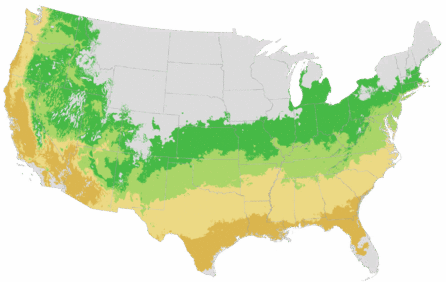
| Description | Perfectly suited for southern climates, this compact, disease-resistant, low-maintenance shrub with attractive blue-grey summer foliage produces delicious, plentiful berries that ripen over an extended period. Striking reddish twigs year-round and beautiful red fall foliage provide multi-season garden interest. Self-fruitful; plant several for a more bountiful harvest. Deciduous. |
|---|---|
| Bloom Time | Spring |
| Deciduous/Evergreen | Deciduous |
| Special Features | Easy Care, Fall Color, Improved Pest and Disease Resistance, Showy Fruit, Edible, Multi-Season Interest, Compact Form |
| Problems/Solutions | Erosion Control |
| Growth Rate | Moderate |
| Flower Attributes | Showy Flowers |
| Patent Act | Asexual reproduction of plants protected by the Plant Patent Act is prohibited during the life of the patent. |
| Landscape Use | Border, Hedge |
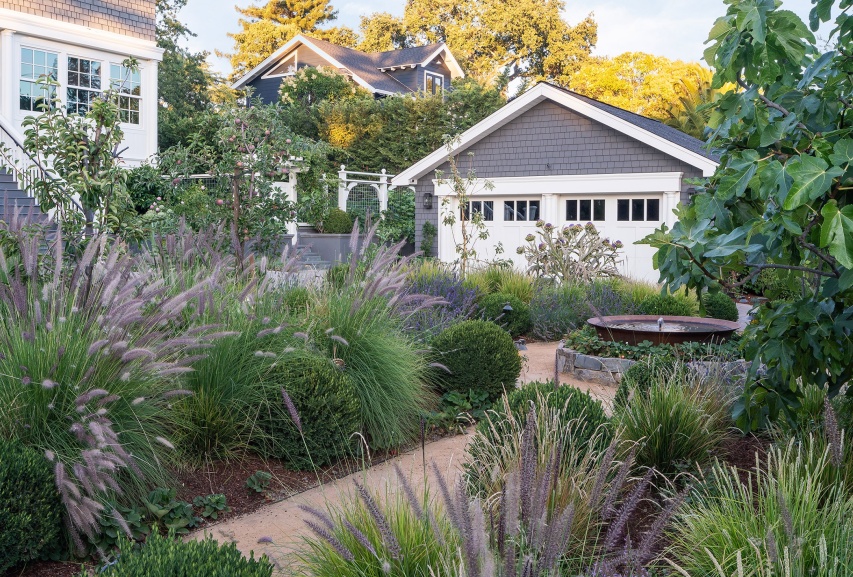
| Design Ideas | Blueberries need not be limited to the confines of a kitchen garden or orchard. Makes an attractive accent in shrub borders as well with great seasonal changes. Ideal against fences and foundations of outbuildings. Well suited to areas around the acidic transitional edges of conifer canopy driplines or openings in natural woodlands. Line them up for a delicious and beautiful hedge for easy picking access. Share fruit with birds by adding to habitat gardens. |
| Flower Color | White |
| Foliage Color | Gray-green |
| Foliage Fall Color | Red |
| Companion Plants | Magnolia (Magnolia); Hydrangea (Hydrangea); Dogwood (Cornus); Lily of the Valley Shrub (Pieris); Wintergreen (Gaultheria); Bleeding Heart (Dicentra); Columbine (Aquilegia) |
| Care Instructions | Provide very acidic, well-drained soil. Shelter from harsh afternoon sun in very hot, dry climates. Water deeply and regularly during the first growing season to establish an extensive root system. Before new growth begins in spring, prune broken and crossed branches; feed with an acidic fertilizer. Rejuvenate mature plants by removing 3 to 4 of the largest, oldest canes. |
| History | Vaccinium ashei, commonly known as rabbiteye blueberry, is native to the southeastern regions of the U.S., its habitat spanning from eastern North Carolina southward to central Florida and from southern Arkansas westward to eastern Texas. Today's southern highbush blueberries are descendants of crosses between the Northern highbush (Vaccinium corymbosum), which is native to the northeastern U.S. and widely grown commercially, and the southern native rabbiteye blueberry (Vaccinium ashei). This cultivated variety Vaccinium ashei ‘T-460’ was developed by the University of Georgia and patented in November 2017. The patent states an estimated chilling requirement of about 500-550 hours. |
Details
| Description | Perfectly suited for southern climates, this compact, disease-resistant, low-maintenance shrub with attractive blue-grey summer foliage produces delicious, plentiful berries that ripen over an extended period. Striking reddish twigs year-round and beautiful red fall foliage provide multi-season garden interest. Self-fruitful; plant several for a more bountiful harvest. Deciduous. |
|---|---|
| Bloom Time | Spring |
| Deciduous/Evergreen | Deciduous |
| Special Features | Easy Care, Fall Color, Improved Pest and Disease Resistance, Showy Fruit, Edible, Multi-Season Interest, Compact Form |
| Problems/Solutions | Erosion Control |
| Growth Rate | Moderate |
| Flower Attributes | Showy Flowers |
| Patent Act | Asexual reproduction of plants protected by the Plant Patent Act is prohibited during the life of the patent. |
Style
| Landscape Use | Border, Hedge |
|---|---|
| Design Ideas | Blueberries need not be limited to the confines of a kitchen garden or orchard. Makes an attractive accent in shrub borders as well with great seasonal changes. Ideal against fences and foundations of outbuildings. Well suited to areas around the acidic transitional edges of conifer canopy driplines or openings in natural woodlands. Line them up for a delicious and beautiful hedge for easy picking access. Share fruit with birds by adding to habitat gardens. |
| Flower Color | White |
| Foliage Color | Gray-green |
| Foliage Fall Color | Red |
| Companion Plants | Magnolia (Magnolia); Hydrangea (Hydrangea); Dogwood (Cornus); Lily of the Valley Shrub (Pieris); Wintergreen (Gaultheria); Bleeding Heart (Dicentra); Columbine (Aquilegia) |
Care
| Care Instructions | Provide very acidic, well-drained soil. Shelter from harsh afternoon sun in very hot, dry climates. Water deeply and regularly during the first growing season to establish an extensive root system. Before new growth begins in spring, prune broken and crossed branches; feed with an acidic fertilizer. Rejuvenate mature plants by removing 3 to 4 of the largest, oldest canes. |
|---|
History
| History | Vaccinium ashei, commonly known as rabbiteye blueberry, is native to the southeastern regions of the U.S., its habitat spanning from eastern North Carolina southward to central Florida and from southern Arkansas westward to eastern Texas. Today's southern highbush blueberries are descendants of crosses between the Northern highbush (Vaccinium corymbosum), which is native to the northeastern U.S. and widely grown commercially, and the southern native rabbiteye blueberry (Vaccinium ashei). This cultivated variety Vaccinium ashei ‘T-460’ was developed by the University of Georgia and patented in November 2017. The patent states an estimated chilling requirement of about 500-550 hours. |
|---|
Retailers Near You
About Us
We have been pioneers and craftsmen in the art of growing plants for 100 years. Since our founding in Southern California by Harry E. Rosedale, Sr. in 1926, we have been absolutely dedicated and obsessed with quality.
We have been pioneers and craftsmen in the art of growing plants for nearly 100 years. Since our founding in Southern California by Harry E. Rosedale, Sr. in 1926, we have been absolutely dedicated and obsessed with quality.