
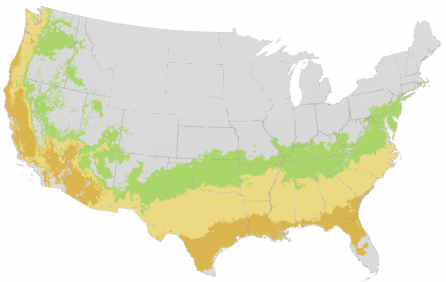
You're growing in this Zip Code:
Change LocationDiscover Plants for Your Area
Getsutoku Azalea
Azalea x 'Getsutoku' (Satsuki hybrid)
Pronunciation: uh-ZAY-lee-uh
SKU #00736
LIGHT:
Filtered sun, Partial shade, Partial sun
WATER:
Keep soil moist but not soggy.
SIZE:
Slowly reaches 2 1/2 to 3 ft. tall, 3 to 3 1/2 ft. wide.

Retailers Near You
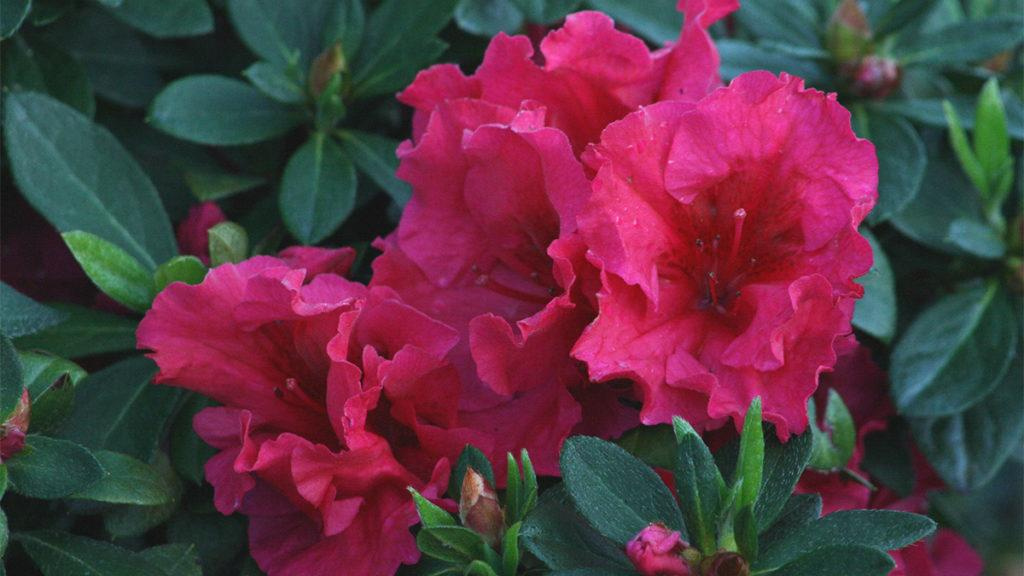

| Description | A beautiful late season bloomer. Large, single wavy petals in a wide array of white, salmon, and pink combinations on a single plant. Great color on a mounding form that is ideal for containers, or for use as a low border shrub. Satsuki varieties can often handle a little more sun than most azaleas, though dappled sunlight is recommended. Evergreen. |
|---|---|
| Bloom Time | Late spring |
| Deciduous/Evergreen | Evergreen |
| Special Features | Attracts Butterflies, Easy Care, Attracts Pollinators, Compact Form |
| Problems/Solutions | Coastal Exposure |
| Growth Rate | Slow |
| Flower Attributes | Showy Flowers |
| Landscape Use | Border, Container |
| Design Ideas | Dwarf stature makes an excellent shrub for smaller urban applications. Exceptional plant for beds and borders; gives foundation planting early spring color. Naturalize beneath tree groves and on verges of wildlands. A natural for the traditional Asian inspired garden. A popular bonsai specimen. |
| Flower Color | Multicolored |
| Foliage Color | Green |
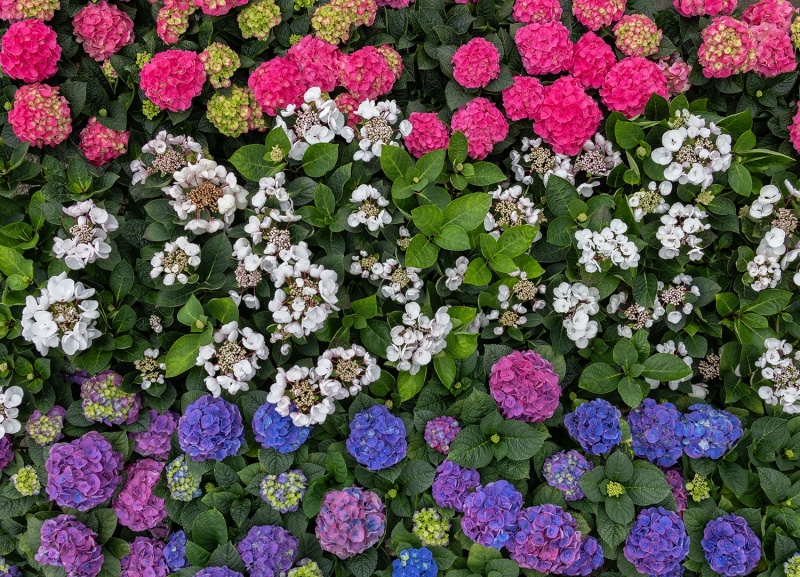
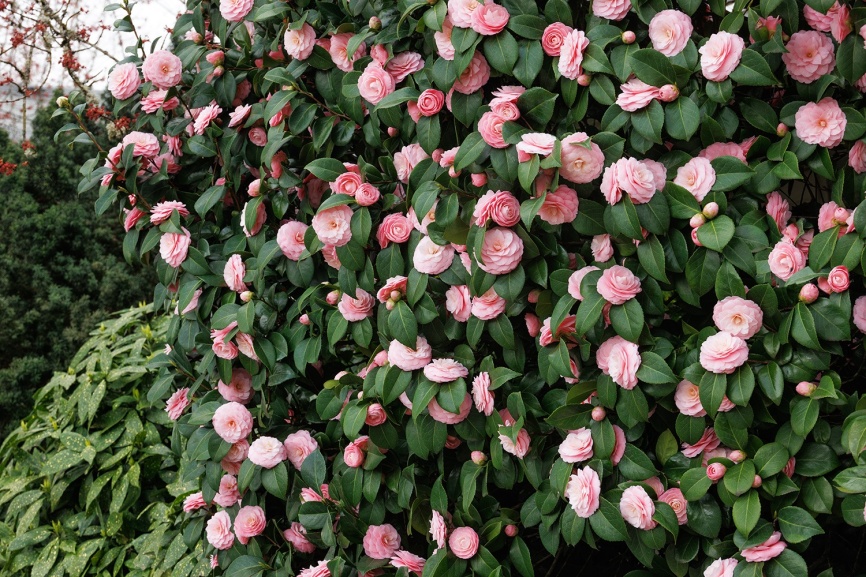
| Companion Plants | Holly (Ilex); Hydrangea (Hydrangea macrophylla); Hosta (Hosta); Rhododendron (Rhododendron); Coral Bells (Heuchera) |
| Care Instructions | Provide acidic, well-drained soil rich in organic matter. Best in an east or north exposure, protected from harsh sun in hot, dry climates. Follow a regular schedule of deep waterings during first growing season to establish an extensive root system. Feed with an acid fertilizer after bloom. Keep roots cool with a thick layer of mulch. |
| History | This Japanese azalea is a hybridization between Rhododendron indcum and Rhododendron simsii The Satsuki azaleas are perhaps the most highly regarded of all in Japan. Breeding has resulted there the widest range of flower color, but there is equal emphasis on growth characteristics. Satsukis were introduced to the west around 1900, but breeding didn't really take off in the U.S. until the 1930s. |
| Lore | Though they are known as azaleas, all azalea hybrids are technically members of the genus Rhododendron. Originally bred for characteristics ideal for bonsai use, Satsuki azaleas are twiggy with dense foliage, have a low, spreading, rounded and notably smaller leaves. |
Details
| Description | A beautiful late season bloomer. Large, single wavy petals in a wide array of white, salmon, and pink combinations on a single plant. Great color on a mounding form that is ideal for containers, or for use as a low border shrub. Satsuki varieties can often handle a little more sun than most azaleas, though dappled sunlight is recommended. Evergreen. |
|---|---|
| Bloom Time | Late spring |
| Deciduous/Evergreen | Evergreen |
| Special Features | Attracts Butterflies, Easy Care, Attracts Pollinators, Compact Form |
| Problems/Solutions | Coastal Exposure |
| Growth Rate | Slow |
| Flower Attributes | Showy Flowers |
Style
| Landscape Use | Border, Container |
|---|---|
| Design Ideas | Dwarf stature makes an excellent shrub for smaller urban applications. Exceptional plant for beds and borders; gives foundation planting early spring color. Naturalize beneath tree groves and on verges of wildlands. A natural for the traditional Asian inspired garden. A popular bonsai specimen. |
| Flower Color | Multicolored |
| Foliage Color | Green |
| Companion Plants | Holly (Ilex); Hydrangea (Hydrangea macrophylla); Hosta (Hosta); Rhododendron (Rhododendron); Coral Bells (Heuchera) |
Care
| Care Instructions | Provide acidic, well-drained soil rich in organic matter. Best in an east or north exposure, protected from harsh sun in hot, dry climates. Follow a regular schedule of deep waterings during first growing season to establish an extensive root system. Feed with an acid fertilizer after bloom. Keep roots cool with a thick layer of mulch. |
|---|
History
| History | This Japanese azalea is a hybridization between Rhododendron indcum and Rhododendron simsii The Satsuki azaleas are perhaps the most highly regarded of all in Japan. Breeding has resulted there the widest range of flower color, but there is equal emphasis on growth characteristics. Satsukis were introduced to the west around 1900, but breeding didn't really take off in the U.S. until the 1930s. |
|---|---|
| Lore | Though they are known as azaleas, all azalea hybrids are technically members of the genus Rhododendron. Originally bred for characteristics ideal for bonsai use, Satsuki azaleas are twiggy with dense foliage, have a low, spreading, rounded and notably smaller leaves. |
Retailers Near You
About Us
We have been pioneers and craftsmen in the art of growing plants for 100 years. Since our founding in Southern California by Harry E. Rosedale, Sr. in 1926, we have been absolutely dedicated and obsessed with quality.
We have been pioneers and craftsmen in the art of growing plants for nearly 100 years. Since our founding in Southern California by Harry E. Rosedale, Sr. in 1926, we have been absolutely dedicated and obsessed with quality.