
You're growing in this Zip Code:
Discover Plants for Your Area


Ginko Craig Hosta
Hosta x 'Ginko Craig'
Pronunciation: HOSS-tuh
SKU #04153
LIGHT:
Full shade, Partial shade
WATER:
Keep soil consistently moist but not soggy.
SIZE:
Moderate growing; forms foliage clump 10 in. tall, spreading wider.

Retailers Near You
Ready to Grow?
Ship Monrovia plants directly to your door. Browse a curated selection available online.
Shop Now >This Plant's Growing Zones: 3-8
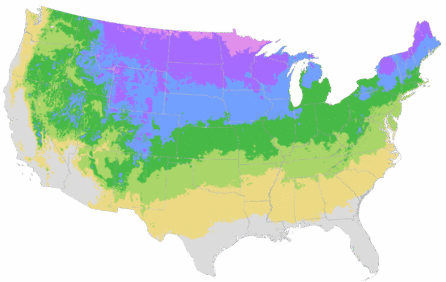
Your USDA Cold Hardiness Zone:
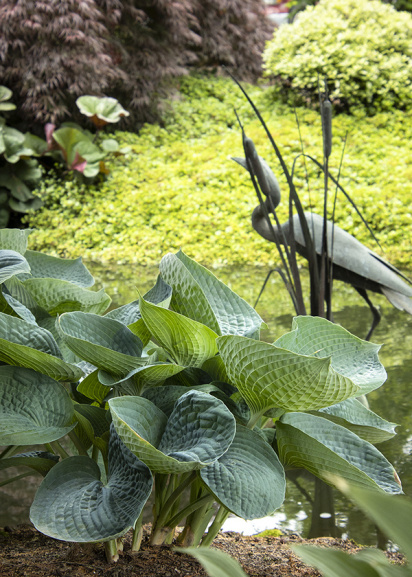
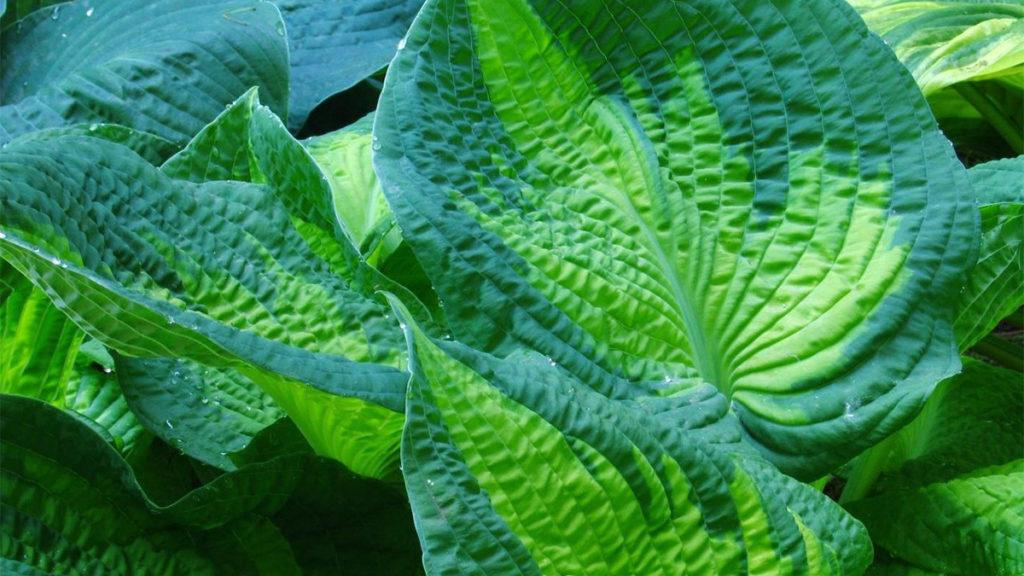
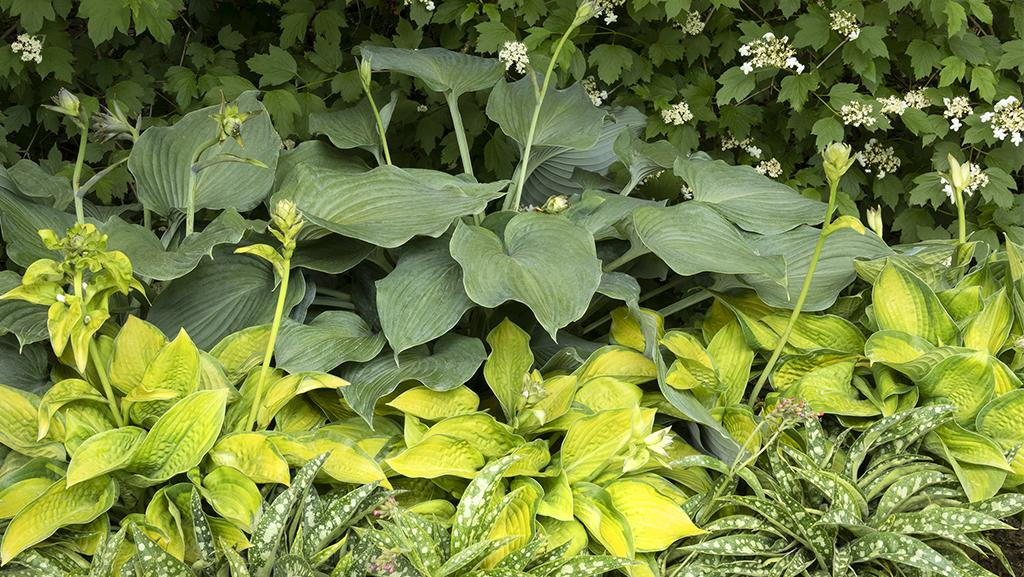
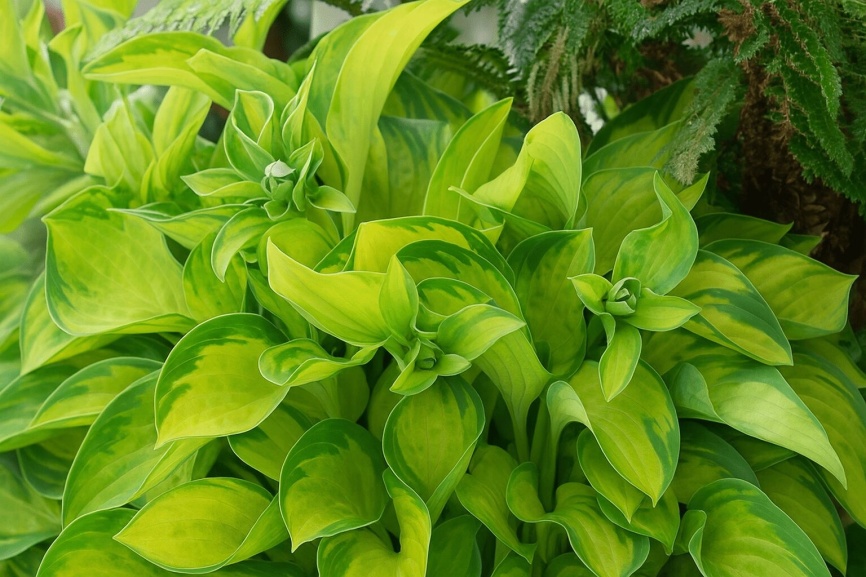
| Description | Narrow, lance-like green leaves edged in white make an ideal edging plant for a shady border and woodland gardens. Thrives in dappled morning sun to shade, protected from harsh sun exposures. Also great under trees, where leaf litter falls through its narrow leaves. An herbaceous perennial. |
|---|---|
| Bloom Time | Summer |
| Deciduous/Evergreen | Herbaceous |
| Special Features | Attracts Hummingbirds, Dramatic Foliage Color, Easy Care, Attracts Pollinators |
| Problems/Solutions | Erosion Control |
| Growth Rate | Moderate |
| Growth Habit | Clumping |
| Flower Attributes | Showy Flowers |
| Landscape Use | Border, Container, Edging |
| Design Ideas | Short Hosta like this one are perfect for groundcover or as an edging plant. If it's variegated, as this one is, these applications are even more dramatic. Keep in front of taller Hosta or other plants that may block the view. Perfect for weaving in and out of rock garden stones or to highlight a hidden flagstone path. Plant with muted cool-colored flowers from purple to blue, very pale pink and white to avoid overwhelming. |
| Flower Color | Purple |
| Foliage Color | Variegated |
| Companion Plants | Coral Bells (Heuchera); Ligularia (Ligularia); Japanese Forest Grass (Hakonechloa); Lungwort (Pulmonaria); Bleeding Heart (Dicentra) |
| Care Instructions | Provide slightly acidic, evenly moist, well-drained, humusy soil. Avoid harsh sun exposures. Water deeply, regularly in first growing season to establish an extensive root system; once established, reduce frequency. Remove old, faded foliage before new leaves emerge in early spring. |
| History | The genus Hosta contains over 40 species mostly native to China and Japan. H. plantaginea is the ancestor of most modern hybrids, introduced from China by French botanist, Lamarck. The variegation of this hybrid points to further ancestry from H. undulata of Japan. |
| Lore | Hosta was named by the Austrian, Leopold Trattinick who honored his friend and fellow countryman, Dr. N.T. Host. |
Details
| Description | Narrow, lance-like green leaves edged in white make an ideal edging plant for a shady border and woodland gardens. Thrives in dappled morning sun to shade, protected from harsh sun exposures. Also great under trees, where leaf litter falls through its narrow leaves. An herbaceous perennial. |
|---|---|
| Bloom Time | Summer |
| Deciduous/Evergreen | Herbaceous |
| Special Features | Attracts Hummingbirds, Dramatic Foliage Color, Easy Care, Attracts Pollinators |
| Problems/Solutions | Erosion Control |
| Growth Rate | Moderate |
| Growth Habit | Clumping |
| Flower Attributes | Showy Flowers |
Style
| Landscape Use | Border, Container, Edging |
|---|---|
| Design Ideas | Short Hosta like this one are perfect for groundcover or as an edging plant. If it's variegated, as this one is, these applications are even more dramatic. Keep in front of taller Hosta or other plants that may block the view. Perfect for weaving in and out of rock garden stones or to highlight a hidden flagstone path. Plant with muted cool-colored flowers from purple to blue, very pale pink and white to avoid overwhelming. |
| Flower Color | Purple |
| Foliage Color | Variegated |
| Companion Plants | Coral Bells (Heuchera); Ligularia (Ligularia); Japanese Forest Grass (Hakonechloa); Lungwort (Pulmonaria); Bleeding Heart (Dicentra) |
Care
| Care Instructions | Provide slightly acidic, evenly moist, well-drained, humusy soil. Avoid harsh sun exposures. Water deeply, regularly in first growing season to establish an extensive root system; once established, reduce frequency. Remove old, faded foliage before new leaves emerge in early spring. |
|---|
History
| History | The genus Hosta contains over 40 species mostly native to China and Japan. H. plantaginea is the ancestor of most modern hybrids, introduced from China by French botanist, Lamarck. The variegation of this hybrid points to further ancestry from H. undulata of Japan. |
|---|---|
| Lore | Hosta was named by the Austrian, Leopold Trattinick who honored his friend and fellow countryman, Dr. N.T. Host. |
Retailers Near You
About Us
We have been pioneers and craftsmen in the art of growing plants for 100 years. Since our founding in Southern California by Harry E. Rosedale, Sr. in 1926, we have been absolutely dedicated and obsessed with quality.
We have been pioneers and craftsmen in the art of growing plants for nearly 100 years. Since our founding in Southern California by Harry E. Rosedale, Sr. in 1926, we have been absolutely dedicated and obsessed with quality.