
You're growing in this Zip Code:
Discover Plants for Your Area


Golden Tiara Hosta
Hosta x 'Golden Tiara'
Pronunciation: HOSS-tuh
SKU #04208
LIGHT:
Filtered sun, Full shade, Partial shade
WATER:
Keep soil consistently moist but not soggy.
SIZE:
Moderate growing; forms foliage clump 12 to 16 in. tall, 28 to 36 in. wide.

Retailers Near You
Ready to Grow?
Ship Monrovia plants directly to your door. Browse a curated selection available online.
Shop Now >This Plant's Growing Zones: 3-9
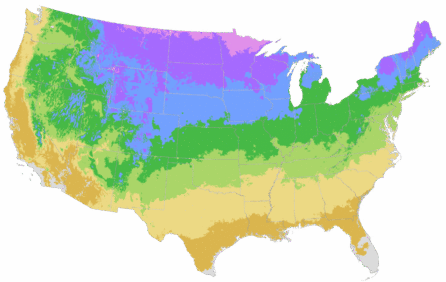
Your USDA Cold Hardiness Zone:
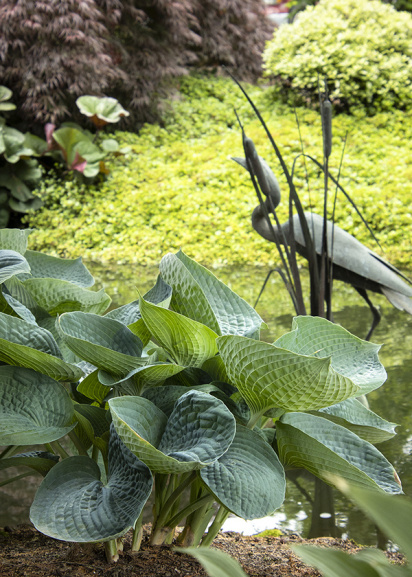
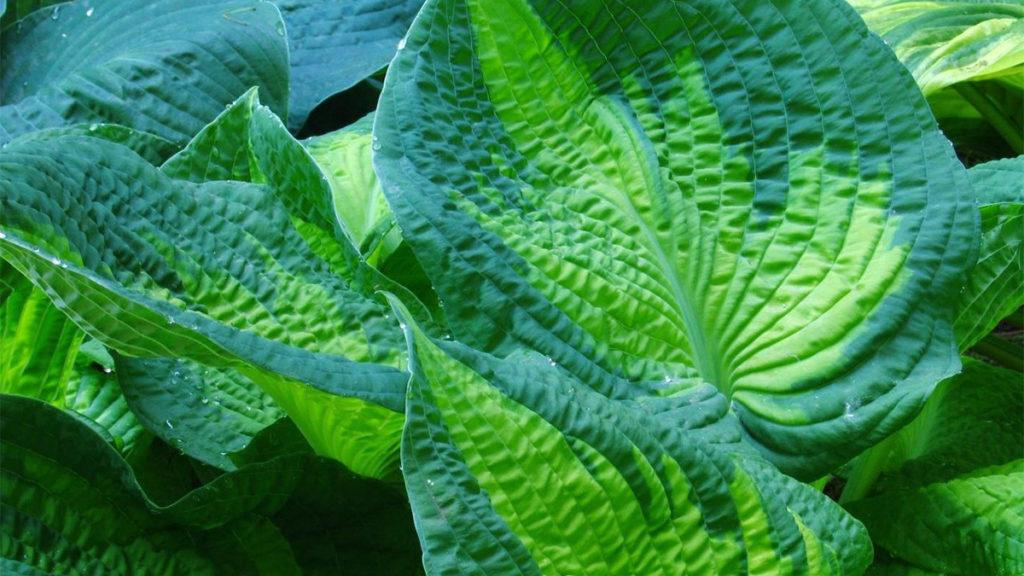
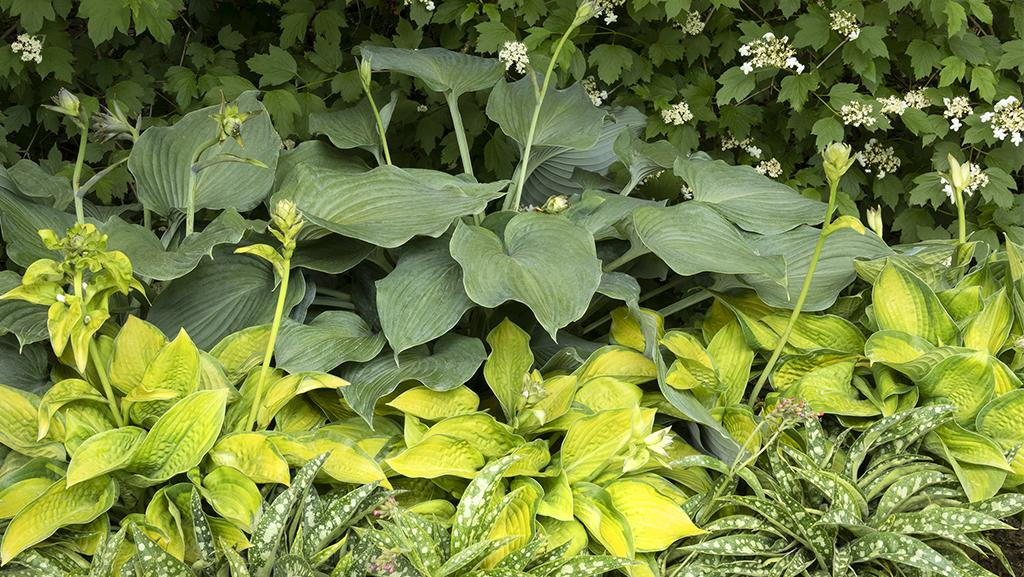
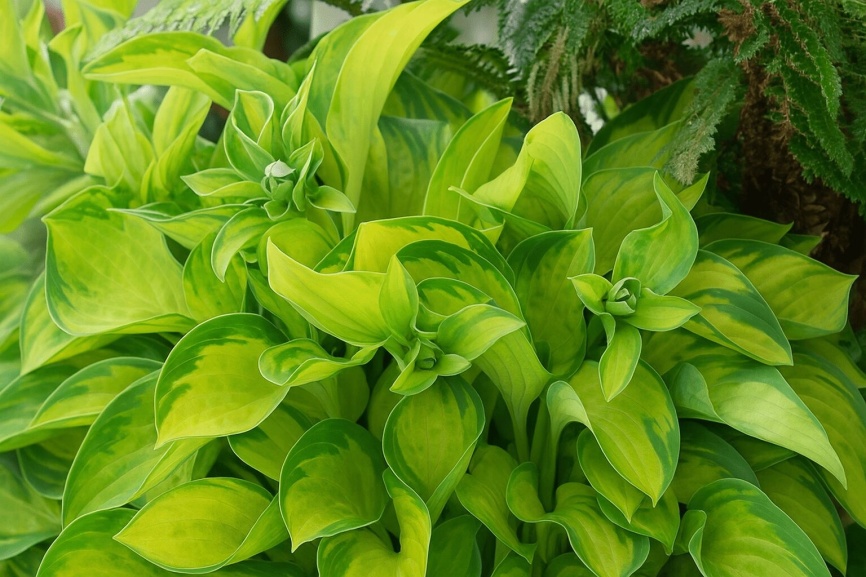
| Description | An award winning small to medium-sized hosta, perfect for edging borders and garden walkways. Foliage transforms as it ages from green with chartreuse, irregular margins to yellow, then fades to a soft creamy color with chartreuse streaks. Showy scapes of purple flowers appear in summer. An herbaceous perennial. |
|---|---|
| Bloom Time | Summer |
| Deciduous/Evergreen | Herbaceous |
| Special Features | Attracts Hummingbirds, Dramatic Foliage Color, Easy Care, Attracts Pollinators, Compact Form |
| Problems/Solutions | Erosion Control |
| Growth Rate | Moderate |
| Growth Habit | Clumping |
| Flower Attributes | Showy Flowers |
| Landscape Use | Border, Container, Ground Cover, Accent, Edging |
| Design Ideas | This is a brilliant yellow-variegated Hosta that produces an abundance of lovely purple flowers. Brightens the shadiest corner of small city gardens. Use as scattered relief amidst darker Hosta or other evergreen groundcover. Very lively when planted in ceramic pots with cobalt blue glazes or patterns. |
| Flower Color | Purple |
| Foliage Color | Variegated |
| Companion Plants | Ligularia (Ligularia); Bleeding Heart (Dicentra); Fern (Asplenium); Solomon's Seal (Polygonatum); Japanese Forest Grass (Hakonechloa) |
| Care Instructions | Provide slightly acidic, evenly moist, well-drained, humusy soil. Avoid harsh sun exposures. Water deeply, regularly in first growing season to establish an extensive root system; once established, reduce frequency. Remove old, faded foliage before new leaves emerge in early spring. |
| History | The genus Hostacontains over forty different species mostly native to China and Japan. H. plantaginea, from which most ofour modern hybrids descend reached Europe in the 1780s. It was first introducced from China by French botanist, Lamarck. Much breeding has produced a huge range of platns with a variety of qualities. The gold coloring suggest parentage includes H. fortunei, which variegation may also point to H. undulata of Japan. |
| Lore | Hosta is the grown up cousin to the plantain weed, which came to America with colonials. It naturalized so easily that Native American's claimed it sprang up wherever the white man walked. |
Details
| Description | An award winning small to medium-sized hosta, perfect for edging borders and garden walkways. Foliage transforms as it ages from green with chartreuse, irregular margins to yellow, then fades to a soft creamy color with chartreuse streaks. Showy scapes of purple flowers appear in summer. An herbaceous perennial. |
|---|---|
| Bloom Time | Summer |
| Deciduous/Evergreen | Herbaceous |
| Special Features | Attracts Hummingbirds, Dramatic Foliage Color, Easy Care, Attracts Pollinators, Compact Form |
| Problems/Solutions | Erosion Control |
| Growth Rate | Moderate |
| Growth Habit | Clumping |
| Flower Attributes | Showy Flowers |
Style
| Landscape Use | Border, Container, Ground Cover, Accent, Edging |
|---|---|
| Design Ideas | This is a brilliant yellow-variegated Hosta that produces an abundance of lovely purple flowers. Brightens the shadiest corner of small city gardens. Use as scattered relief amidst darker Hosta or other evergreen groundcover. Very lively when planted in ceramic pots with cobalt blue glazes or patterns. |
| Flower Color | Purple |
| Foliage Color | Variegated |
| Companion Plants | Ligularia (Ligularia); Bleeding Heart (Dicentra); Fern (Asplenium); Solomon's Seal (Polygonatum); Japanese Forest Grass (Hakonechloa) |
Care
| Care Instructions | Provide slightly acidic, evenly moist, well-drained, humusy soil. Avoid harsh sun exposures. Water deeply, regularly in first growing season to establish an extensive root system; once established, reduce frequency. Remove old, faded foliage before new leaves emerge in early spring. |
|---|
History
| History | The genus Hostacontains over forty different species mostly native to China and Japan. H. plantaginea, from which most ofour modern hybrids descend reached Europe in the 1780s. It was first introducced from China by French botanist, Lamarck. Much breeding has produced a huge range of platns with a variety of qualities. The gold coloring suggest parentage includes H. fortunei, which variegation may also point to H. undulata of Japan. |
|---|---|
| Lore | Hosta is the grown up cousin to the plantain weed, which came to America with colonials. It naturalized so easily that Native American's claimed it sprang up wherever the white man walked. |
Retailers Near You
About Us
We have been pioneers and craftsmen in the art of growing plants for 100 years. Since our founding in Southern California by Harry E. Rosedale, Sr. in 1926, we have been absolutely dedicated and obsessed with quality.
We have been pioneers and craftsmen in the art of growing plants for nearly 100 years. Since our founding in Southern California by Harry E. Rosedale, Sr. in 1926, we have been absolutely dedicated and obsessed with quality.