
You're growing in this Zip Code:
Change LocationDiscover Plants for Your Area
Harbor Belle Heavenly Bamboo
Nandina domestica 'Jaytee'
Pronunciation: nan-DEE-na doh-MES-ti-ka
SKU #01664
LIGHT:
Full sun, Partial sun
WATER:
Water when top 2 inches of soil is dry.
SIZE:
Dwarf habit 1 to 2 ft. tall and wide.

Retailers Near You
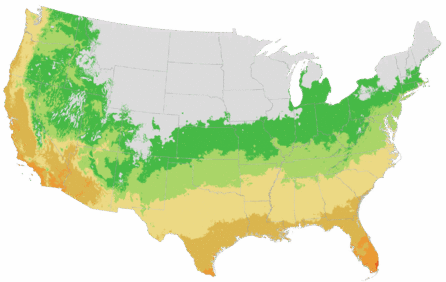
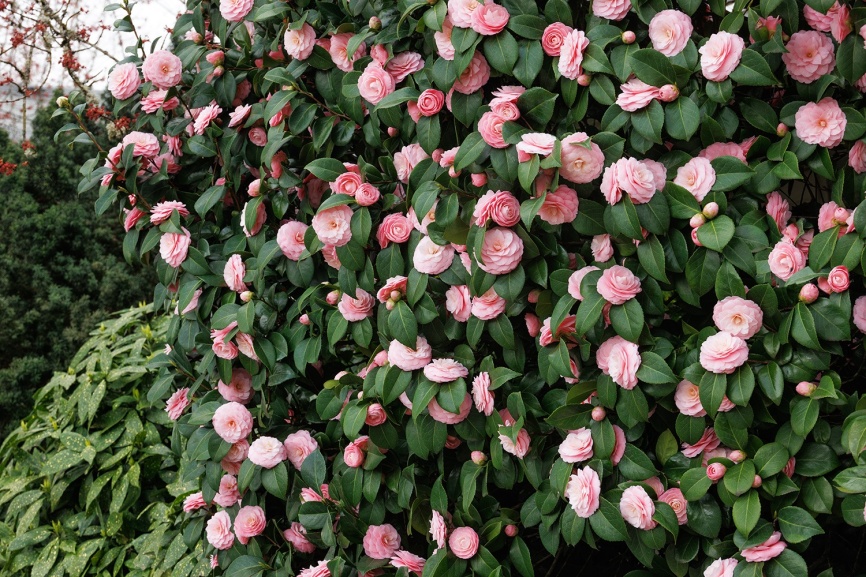
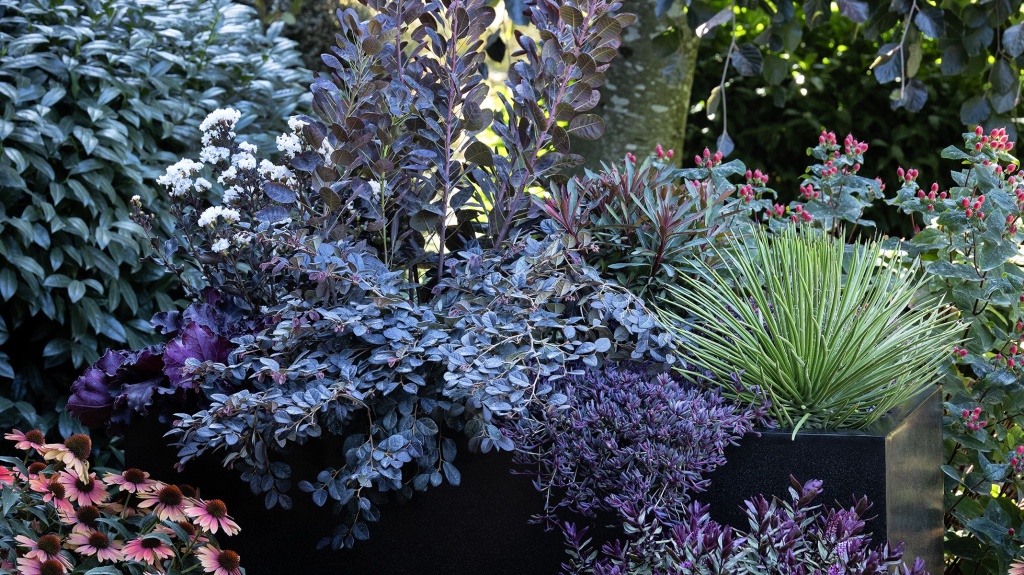
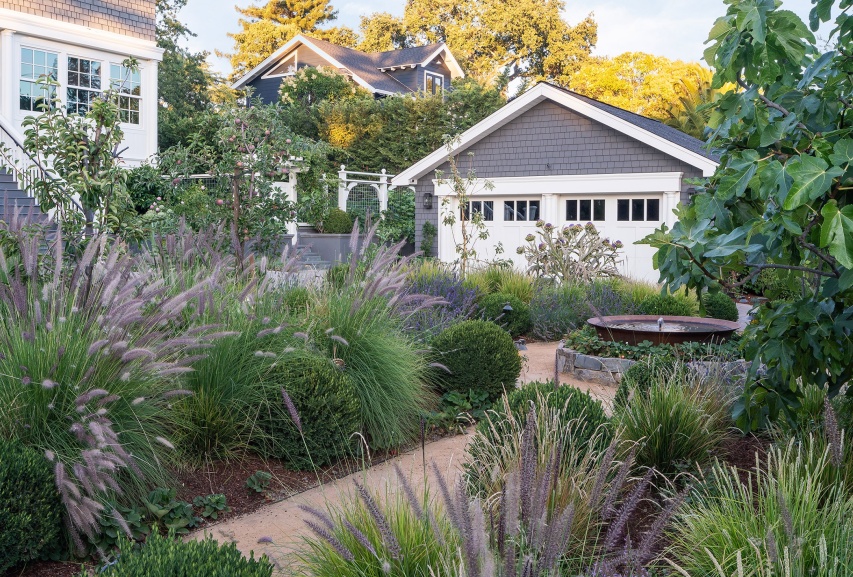
| Description | Attractive, dwarf evergreen shrub displays soft, dense, foliage with a pink tint in spring and brilliant burgundy tones in fall and winter. Clusters of tiny, white spring flowers lead to an abundance of bright red berries. Small compact form is effective in fronts of borders and foundations, or massed as a groundcover or low hedge. |
|---|---|
| Bloom Time | Spring |
| Deciduous/Evergreen | Evergreen |
| Special Features | Dramatic Foliage Color, Fall Color, Ornamental Berries, Waterwise, Compact Form |
| Problems/Solutions | Rabbit Resistant |
| Growth Rate | Moderate |
| Patent Act | Asexual reproduction of plants protected by the Plant Patent Act is prohibited during the life of the patent. |
| Landscape Use | Border, Container, Hedge, Edging |
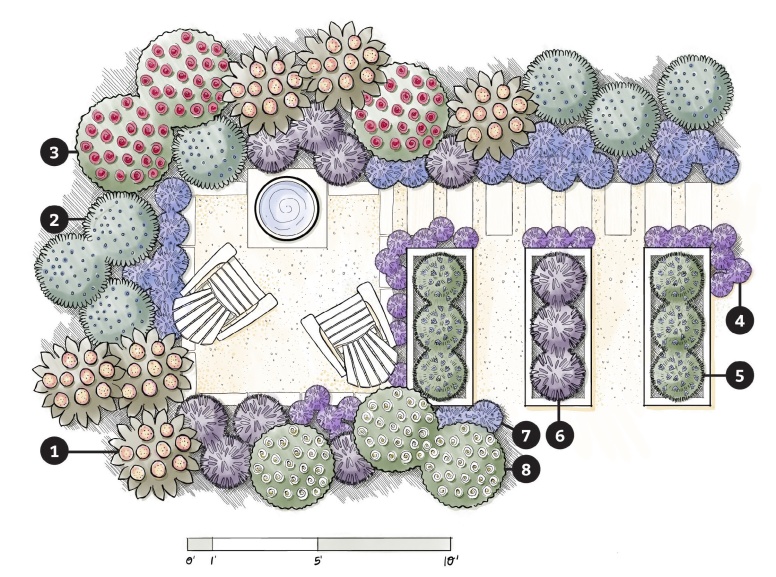
| Design Ideas | Dwarf nandinas are perfect foundation bed planting to mask ugly footings and vents. Plant in front of older shrubs to neaten up the lawn edge. Makes a bright hedge that's striking architectural form and color in modern gardens. A traditional shrub of Japanese gardens that belongs in the naturalistic rock and water setting as a brightly colored accent. Small stature is also excellent in containers on porch or patio. |
| Flower Color | White |
| Foliage Color | Green |
| Foliage Fall Color | Red |
| Companion Plants | Kohuhu (Pittosporum); Rose (Rosa); Winter Heath (Erica); Spreading Juniper (Juniperus); Cryptomeria (Cryptomeria); Abelia (Abelia) |
| Care Instructions | Easily grown in enriched, slightly acidic, well-drained soil. Follow a regular schedule of deep waterings during first growing season to establish an extensive root system; reduce frequency once established. As a groundcover, space plants 5 ft. apart, or closer for faster coverage. Control weeds with mulch until the plants cover the area. |
| History | Nandina is a broadleaf shrub native to Asia. It has been avidly cultivated in Japan for centuries where sixty different cultivars are known. They were first described in the 17th century by Kaempher, then later calssified by Thunberg and named from the Japanese term for the plant, nan-ten. However, the first plant introduced to the west came from Canton, China in 1804. Harbor Belle is a new cultivar discovered at a wholesale nursery in south Alabama. |
| Lore | Nandina, known as nandin in China, was often planted on temple grounds where it symbolizes good fortune. This association led to its common name, heavenly bamboo. Its red berries are ripe at midwinter when sprigs are used to decorate homes on December 24 in honor of the kitchen god. |
Details
| Description | Attractive, dwarf evergreen shrub displays soft, dense, foliage with a pink tint in spring and brilliant burgundy tones in fall and winter. Clusters of tiny, white spring flowers lead to an abundance of bright red berries. Small compact form is effective in fronts of borders and foundations, or massed as a groundcover or low hedge. |
|---|---|
| Bloom Time | Spring |
| Deciduous/Evergreen | Evergreen |
| Special Features | Dramatic Foliage Color, Fall Color, Ornamental Berries, Waterwise, Compact Form |
| Problems/Solutions | Rabbit Resistant |
| Growth Rate | Moderate |
| Patent Act | Asexual reproduction of plants protected by the Plant Patent Act is prohibited during the life of the patent. |
Style
| Landscape Use | Border, Container, Hedge, Edging |
|---|---|
| Design Ideas | Dwarf nandinas are perfect foundation bed planting to mask ugly footings and vents. Plant in front of older shrubs to neaten up the lawn edge. Makes a bright hedge that's striking architectural form and color in modern gardens. A traditional shrub of Japanese gardens that belongs in the naturalistic rock and water setting as a brightly colored accent. Small stature is also excellent in containers on porch or patio. |
| Flower Color | White |
| Foliage Color | Green |
| Foliage Fall Color | Red |
| Companion Plants | Kohuhu (Pittosporum); Rose (Rosa); Winter Heath (Erica); Spreading Juniper (Juniperus); Cryptomeria (Cryptomeria); Abelia (Abelia) |
Care
| Care Instructions | Easily grown in enriched, slightly acidic, well-drained soil. Follow a regular schedule of deep waterings during first growing season to establish an extensive root system; reduce frequency once established. As a groundcover, space plants 5 ft. apart, or closer for faster coverage. Control weeds with mulch until the plants cover the area. |
|---|
History
| History | Nandina is a broadleaf shrub native to Asia. It has been avidly cultivated in Japan for centuries where sixty different cultivars are known. They were first described in the 17th century by Kaempher, then later calssified by Thunberg and named from the Japanese term for the plant, nan-ten. However, the first plant introduced to the west came from Canton, China in 1804. Harbor Belle is a new cultivar discovered at a wholesale nursery in south Alabama. |
|---|---|
| Lore | Nandina, known as nandin in China, was often planted on temple grounds where it symbolizes good fortune. This association led to its common name, heavenly bamboo. Its red berries are ripe at midwinter when sprigs are used to decorate homes on December 24 in honor of the kitchen god. |
Retailers Near You
About Us
We have been pioneers and craftsmen in the art of growing plants for 100 years. Since our founding in Southern California by Harry E. Rosedale, Sr. in 1926, we have been absolutely dedicated and obsessed with quality.
We have been pioneers and craftsmen in the art of growing plants for nearly 100 years. Since our founding in Southern California by Harry E. Rosedale, Sr. in 1926, we have been absolutely dedicated and obsessed with quality.