
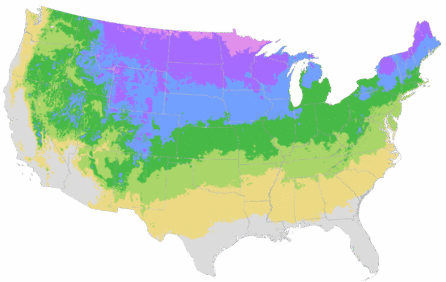
You're growing in this Zip Code:
Change LocationDiscover Plants for Your Area
Hot Lips Turtlehead
Chelone lyonii 'Hot Lips'
Pronunciation: kay-LOH-nee ly-ON-ee-eye
SKU #02419
LIGHT:
Full shade
WATER:
Keep soil moist to wet.
SIZE:
Fast growing; reaches 2 ft. tall in bloom, spreading to 2 ft. wide.

Home Delivery Price
?
- Arrives in 3 to 7 days
- Free shipping on orders over $99
- Perfect Start Promise
Select Quantity
Retailers Near You
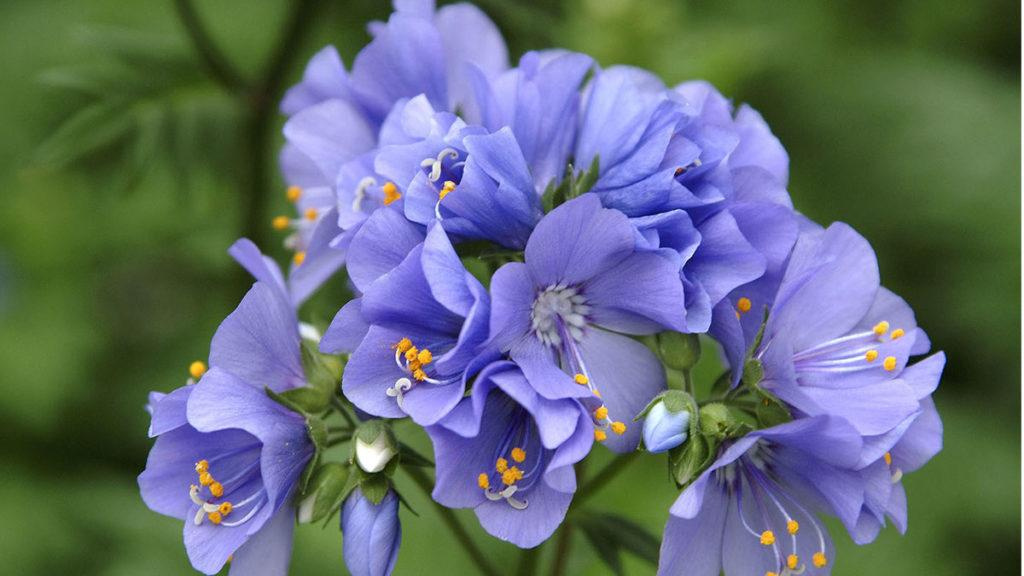
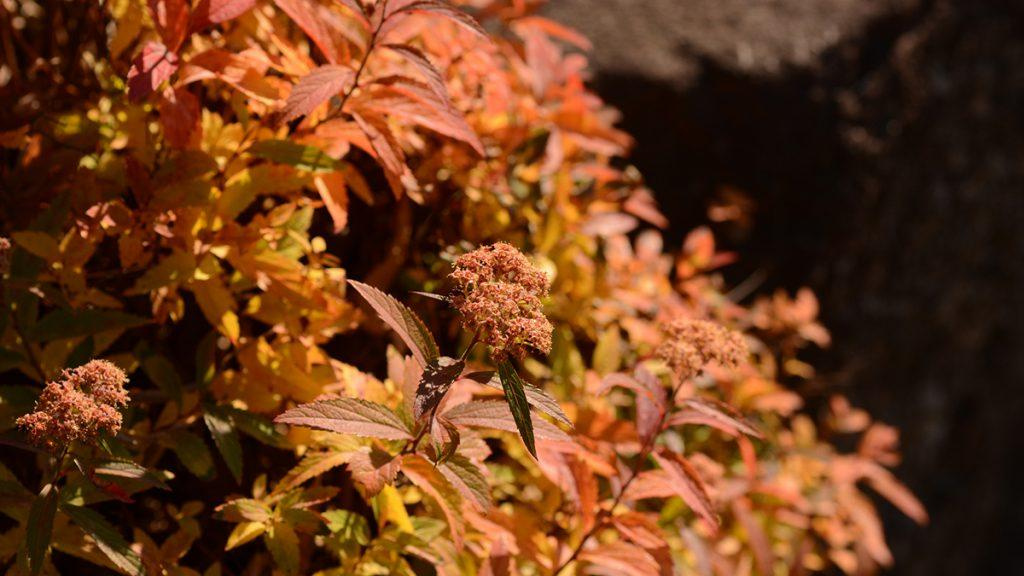
| Description | Cheerful spikes of pink snapdragon-like flowers emerge above the spreading foliage in late summer. Ideal middle-of-the-border plant for contrasting color and foliage among dwarf shrubs. Thrives in shaded settings and prefers moist conditions. An herbaceous perennial. |
|---|---|
| Bloom Time | Late summer to fall |
| Deciduous/Evergreen | Herbaceous |
| Special Features | Attracts Pollinators, Fast Growing |
| Problems/Solutions | Very Wet Areas |
| Growth Rate | Fast |
| Growth Habit | Upright |
| Flower Attributes | Flowers for Cutting, Showy Flowers |
| Landscape Use | Border, Ground Cover |
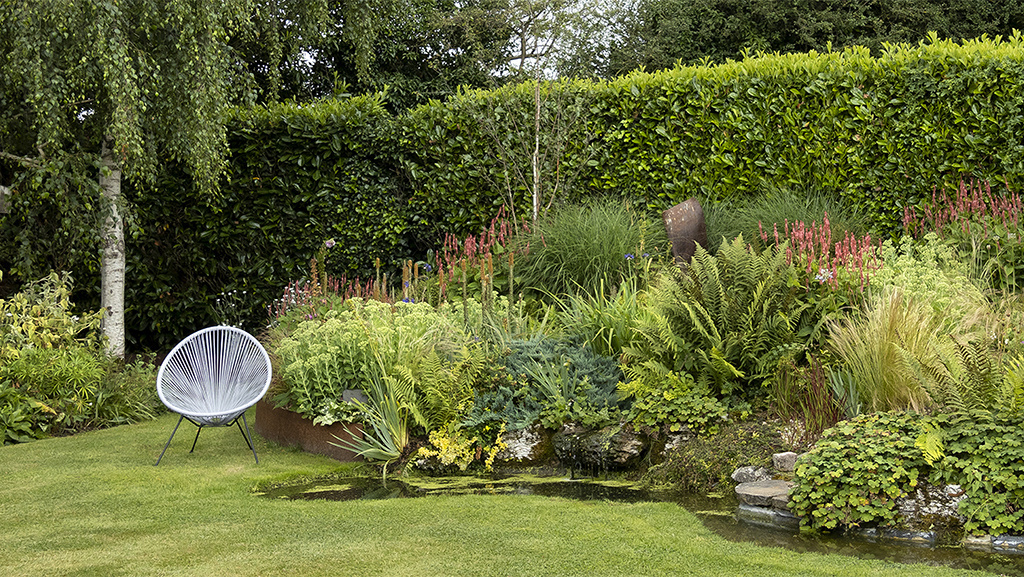
| Design Ideas | Turtlehead is a valuable problem solver for poorly drained sites. Wide adaptability to radically differing climates and as a North American native it has all the qualities of a superior perennial. Well suited to middle of the perennial border and blended into mixed plantings. Super foundation plant where drainage is problematic. A natural plant for wild gardens and those composed of locally native species. Its habitat tells us turtlehead is excellent around bogs and water gardens where soils may be perennially moist from splash and spay. Plant in irregular groupings for masses of foliage and flowers. |
| Flower Color | Pink |
| Foliage Color | Green |
| Companion Plants | Monarda (Bee Balm); Corkscrew Rush (Juncus effusus); Japanese Water Iris (Iris ensata); Dappled Willow (Salix integra); Spiderwort (Tradescantia) |
| Care Instructions | Thrives in enriched, moist soils with part shade in cool summer climates, full shade in warmer areas. Mulch the soil surface to conserve moisture. Stems may be pinched in spring to encourage more compact growth. Spreads slowly by rhizomes; divide clumps every 2 to 3 years. |
| History | This perennial is native to the wetlands of the southern Appalachian region including the states of Virginia, North Carolina and Georgia. It falls into the figwort family, Scrophulariaceae, which contains 190 genera including other North American natives such as Penstemon and garden foxgloves. The was named after the Greek for turtle, which refers to the shape of the corolla of the flowers, hence the common name as well. There about 8 known species and only a few are cultivated. This species is named for early American botanist John Lyon who died in 1818. |
| Lore | Turtlehead is among the most promising of our eastern natives for cultivated gardens. Naturally found from Maine and Minnesota to Mississippi and Florida, its broad adaptatation to such varying climates makes it a willing wild one for tamed backyard gard |
Details
| Description | Cheerful spikes of pink snapdragon-like flowers emerge above the spreading foliage in late summer. Ideal middle-of-the-border plant for contrasting color and foliage among dwarf shrubs. Thrives in shaded settings and prefers moist conditions. An herbaceous perennial. |
|---|---|
| Bloom Time | Late summer to fall |
| Deciduous/Evergreen | Herbaceous |
| Special Features | Attracts Pollinators, Fast Growing |
| Problems/Solutions | Very Wet Areas |
| Growth Rate | Fast |
| Growth Habit | Upright |
| Flower Attributes | Flowers for Cutting, Showy Flowers |
Style
| Landscape Use | Border, Ground Cover |
|---|---|
| Design Ideas | Turtlehead is a valuable problem solver for poorly drained sites. Wide adaptability to radically differing climates and as a North American native it has all the qualities of a superior perennial. Well suited to middle of the perennial border and blended into mixed plantings. Super foundation plant where drainage is problematic. A natural plant for wild gardens and those composed of locally native species. Its habitat tells us turtlehead is excellent around bogs and water gardens where soils may be perennially moist from splash and spay. Plant in irregular groupings for masses of foliage and flowers. |
| Flower Color | Pink |
| Foliage Color | Green |
| Companion Plants | Monarda (Bee Balm); Corkscrew Rush (Juncus effusus); Japanese Water Iris (Iris ensata); Dappled Willow (Salix integra); Spiderwort (Tradescantia) |
Care
| Care Instructions | Thrives in enriched, moist soils with part shade in cool summer climates, full shade in warmer areas. Mulch the soil surface to conserve moisture. Stems may be pinched in spring to encourage more compact growth. Spreads slowly by rhizomes; divide clumps every 2 to 3 years. |
|---|
History
| History | This perennial is native to the wetlands of the southern Appalachian region including the states of Virginia, North Carolina and Georgia. It falls into the figwort family, Scrophulariaceae, which contains 190 genera including other North American natives such as Penstemon and garden foxgloves. The was named after the Greek for turtle, which refers to the shape of the corolla of the flowers, hence the common name as well. There about 8 known species and only a few are cultivated. This species is named for early American botanist John Lyon who died in 1818. |
|---|---|
| Lore | Turtlehead is among the most promising of our eastern natives for cultivated gardens. Naturally found from Maine and Minnesota to Mississippi and Florida, its broad adaptatation to such varying climates makes it a willing wild one for tamed backyard gard |
Frequently asked questions
Does Hot Lips Turtlehead produce flowers?
Late summer to fall
Is Hot Lips Turtlehead evergreen or deciduous?
Hot Lips Turtlehead is Herbaceous.
What are the special features of Hot Lips Turtlehead?
Hot Lips Turtlehead is Attracts Pollinators, Fast Growing.
Is Hot Lips Turtlehead resistant to pests or animals?
Very Wet Areas
How fast does Hot Lips Turtlehead grow?
Hot Lips Turtlehead has a Fast growth rate.
What is the growth habit of Hot Lips Turtlehead?
Hot Lips Turtlehead grows in an Upright habit.
Where can I use Hot Lips Turtlehead in my landscape?
Hot Lips Turtlehead is suitable for: Border, Ground Cover.
How can I use Hot Lips Turtlehead in my garden design?
Turtlehead is a valuable problem solver for poorly drained sites. Wide adaptability to radically differing climates and as a North American native it has all the qualities of a superior perennial. Well suited to middle of the perennial border and blended into mixed plantings. Super foundation plant where drainage is problematic. A natural plant for wild gardens and those composed of locally native species. Its habitat tells us turtlehead is excellent around bogs and water gardens where soils may be perennially moist from splash and spay. Plant in irregular groupings for masses of foliage and flowers.
What color are Hot Lips Turtlehead flowers?
Hot Lips Turtlehead produces Pink flowers.
What color is the foliage of Hot Lips Turtlehead?
Hot Lips Turtlehead has Green foliage.
What plants grow well with Hot Lips Turtlehead?
Good companion plants for Hot Lips Turtlehead include: Monarda (Bee Balm); Corkscrew Rush (Juncus effusus); Japanese Water Iris (Iris ensata); Dappled Willow (Salix integra); Spiderwort (Tradescantia).
How do I care for Hot Lips Turtlehead?
Thrives in enriched, moist soils with part shade in cool summer climates, full shade in warmer areas. Mulch the soil surface to conserve moisture. Stems may be pinched in spring to encourage more compact growth. Spreads slowly by rhizomes; divide clumps every 2 to 3 years.
What is the history of Hot Lips Turtlehead?
This perennial is native to the wetlands of the southern Appalachian region including the states of Virginia, North Carolina and Georgia. It falls into the figwort family, Scrophulariaceae, which contains 190 genera including other North American natives such as Penstemon and garden foxgloves. The was named after the Greek for turtle, which refers to the shape of the corolla of the flowers, hence the common name as well. There about 8 known species and only a few are cultivated. This species is named for early American botanist John Lyon who died in 1818.
Retailers Near You
About Us
We have been pioneers and craftsmen in the art of growing plants for 100 years. Since our founding in Southern California by Harry E. Rosedale, Sr. in 1926, we have been absolutely dedicated and obsessed with quality.
We have been pioneers and craftsmen in the art of growing plants for nearly 100 years. Since our founding in Southern California by Harry E. Rosedale, Sr. in 1926, we have been absolutely dedicated and obsessed with quality.