
You're growing in this Zip Code:
Discover Plants for Your Area
Huntington Carpet Rosemary
Rosmarinus officinalis 'Huntington Carpet'
Pronunciation: rohs-ma-RY-nus oh-fiss-ih-NAH-liss
SKU #07032
LIGHT:
Full sun
WATER:
Once established water during dry spells.
SIZE:
Quickly reaches 1 to 2 ft. tall, 8 ft. wide.

Retailers Near You
Ready to Grow?
Ship Monrovia plants directly to your door. Browse a curated selection available online.
Shop Now >This Plant's Growing Zones: 8-10
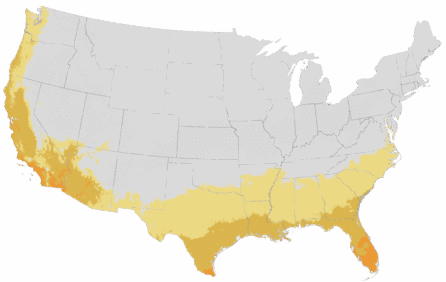
Your USDA Cold Hardiness Zone:
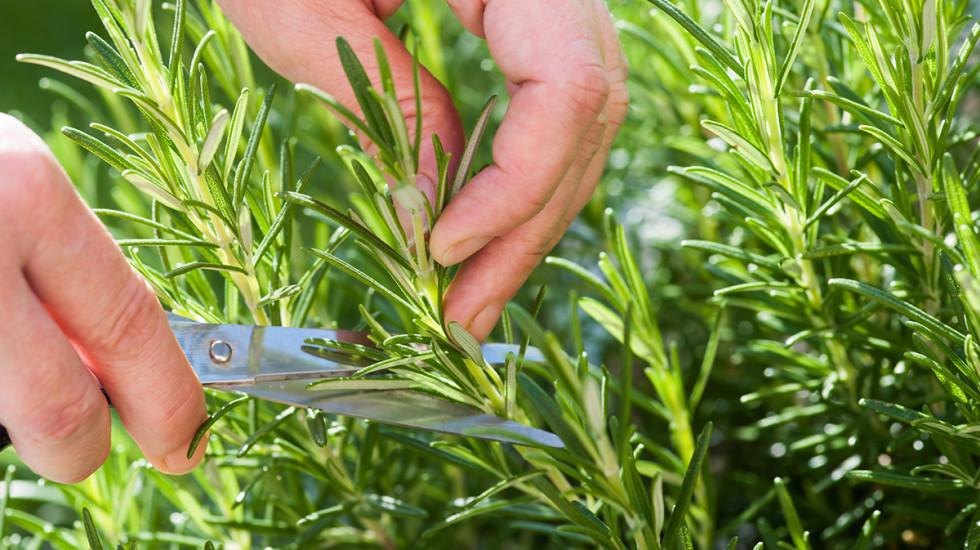
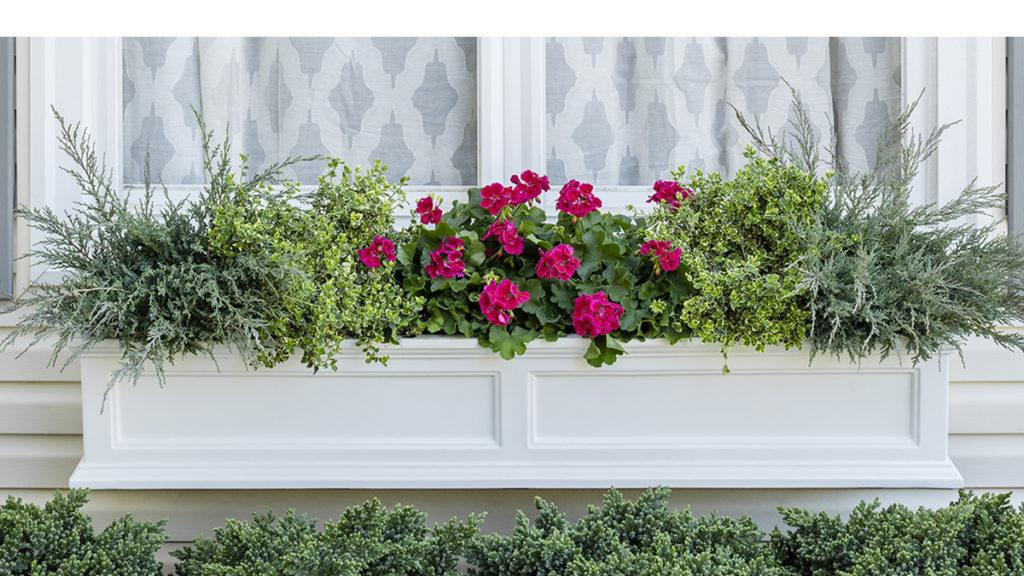
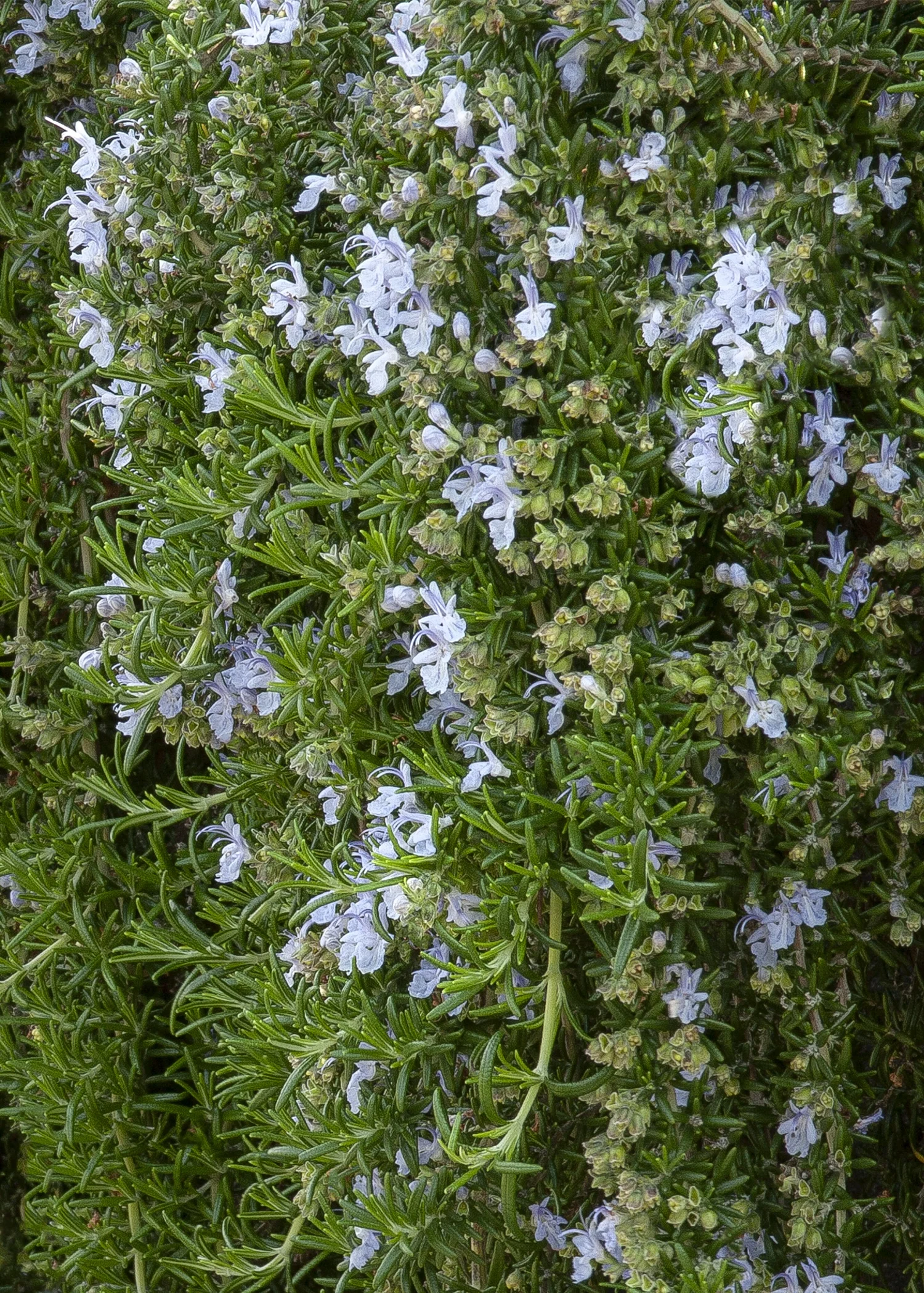
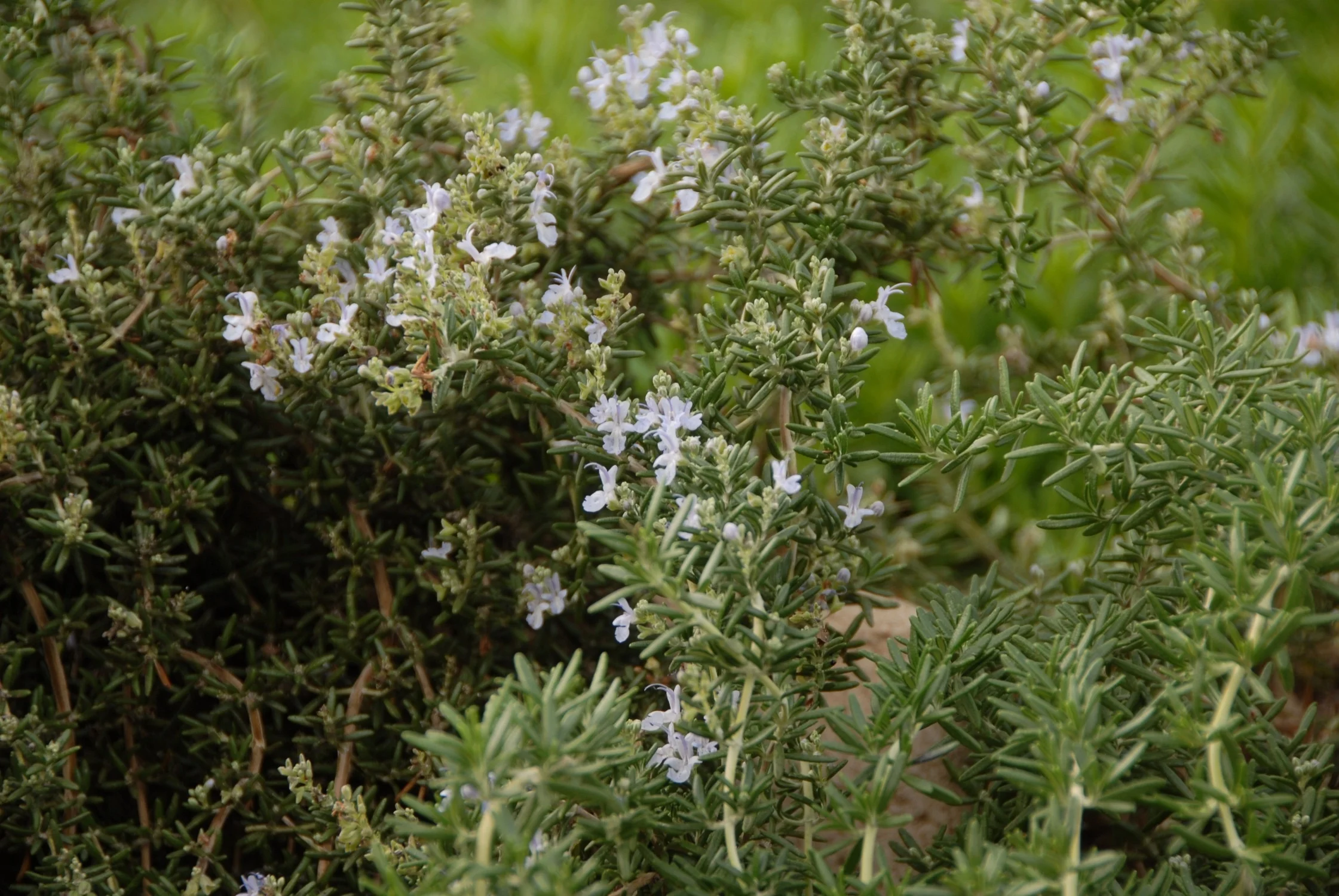
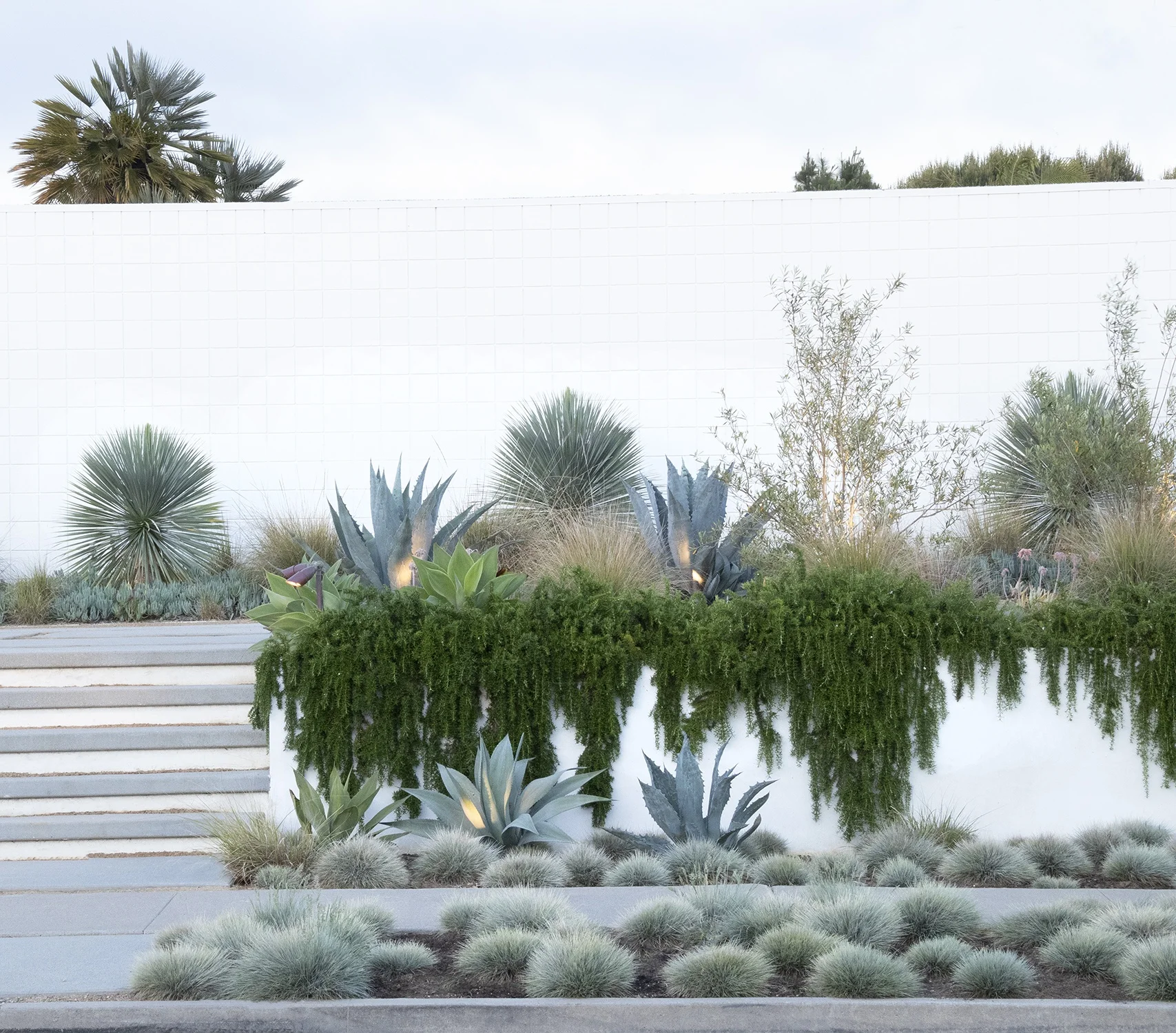
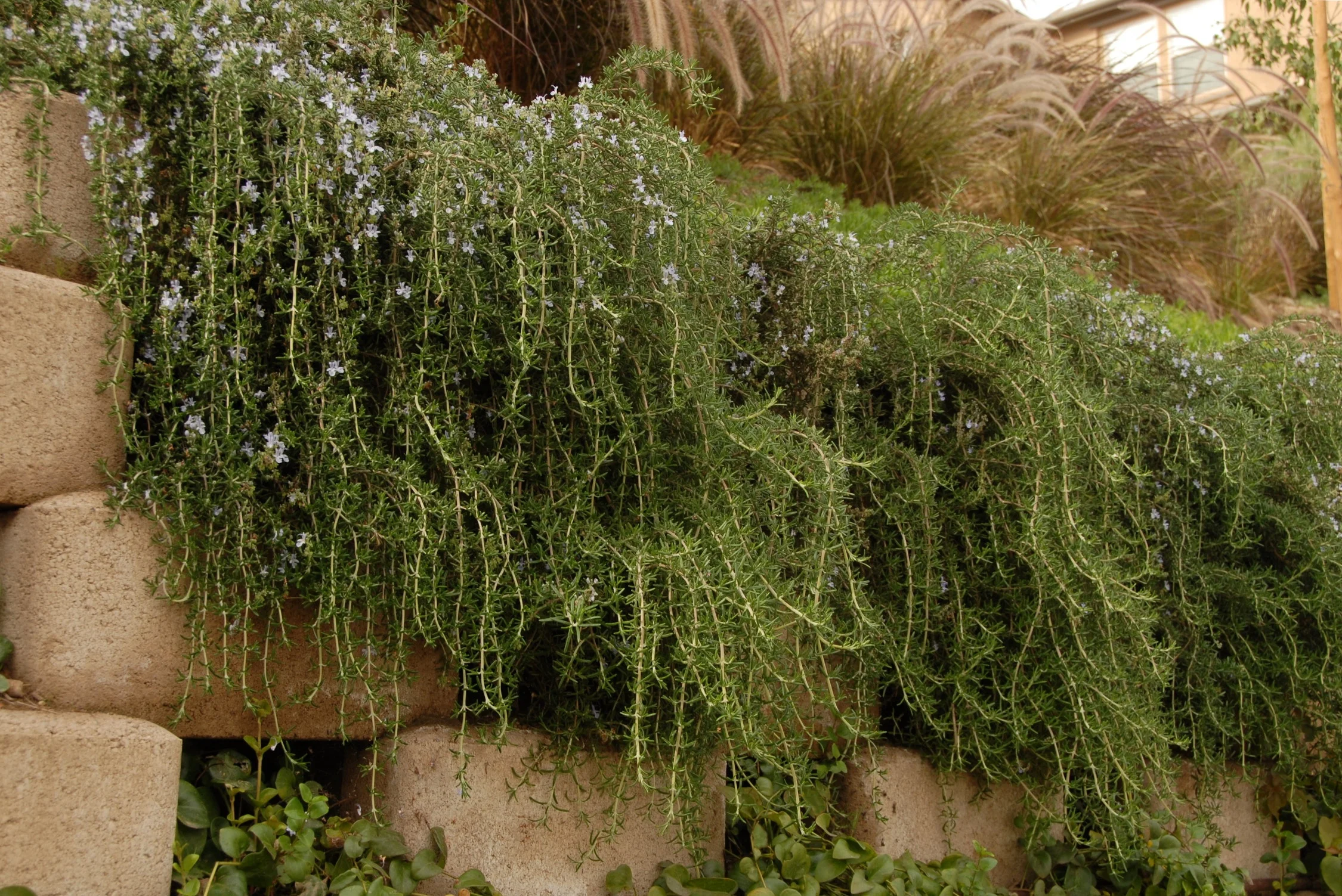
| Description | A beautiful carpet of deep blue flowers backed by green, needle-like foliage that forms an attractive spreading groundcover. This waterwise evergreen shrub is outstanding for cascading from retaining walls or planters and is very useful in erosion control on banks and slopes. The aromatic leaves are often used as a flavorful culinary seasoning. |
|---|---|
| Bloom Time | Early spring |
| Deciduous/Evergreen | Evergreen |
| Special Features | Easy Care, Waterwise, Non-toxic to Cats and Dogs, Edible, Attracts Pollinators, Heat Loving, Fast Growing |
| Problems/Solutions | Coastal Exposure, Deer Resistant, Erosion Control, Rabbit Resistant |
| Growth Rate | Fast |
| Growth Habit | Spreading |
| Flower Attributes | Showy Flowers |
| Landscape Use | Border, Container, Ground Cover, Hillside |
| Design Ideas | This is an excellent groundcover for sunny banks or along paths. It is also a fine addition to containers, where it will spill over the edges. Plant in a Mediterranean or culinary garden in the foreground of hedges or the interior of parterres. |
| Flower Color | Blue |
| Foliage Color | Green |
| Companion Plants | Lavender (Lavandula); Bay Laurel (Laurus); Pomegranate (Punica); Olive (Olea); Meyer Lemon (Citrus) |
| Care Instructions | Thrives in loose, well-drained, neutral to slightly acidic soils. Water deeply, regularly during first growing season to establish an extensive root system; reduce frequency once established. As a groundcover space plants 5 ft. apart, or closer for faster coverage. Control weeds with mulch until the plants cover the area. |
| History | Rosemary is a valuable Old World aromatic shrub from Europe through Asia Minor. It is native to much of the Mediterranean region and most specifically in the south of France. It was classified by Linnaeus into the mint family and he named its genus from the Latin for sea-dew because it is commonly found on the chalk hills along the seacoast. There are only two species grown, and this one was the primary plant used in the herbal pharmacoepia. It remains today a valuable culinary herb and dryland garden plant. This cultivar behaves much like the traditional ground hugging mat, R. o. 'Prostratus' but with improved habit and flower color. |
Details
| Description | A beautiful carpet of deep blue flowers backed by green, needle-like foliage that forms an attractive spreading groundcover. This waterwise evergreen shrub is outstanding for cascading from retaining walls or planters and is very useful in erosion control on banks and slopes. The aromatic leaves are often used as a flavorful culinary seasoning. |
|---|---|
| Bloom Time | Early spring |
| Deciduous/Evergreen | Evergreen |
| Special Features | Easy Care, Waterwise, Non-toxic to Cats and Dogs, Edible, Attracts Pollinators, Heat Loving, Fast Growing |
| Problems/Solutions | Coastal Exposure, Deer Resistant, Erosion Control, Rabbit Resistant |
| Growth Rate | Fast |
| Growth Habit | Spreading |
| Flower Attributes | Showy Flowers |
Style
| Landscape Use | Border, Container, Ground Cover, Hillside |
|---|---|
| Design Ideas | This is an excellent groundcover for sunny banks or along paths. It is also a fine addition to containers, where it will spill over the edges. Plant in a Mediterranean or culinary garden in the foreground of hedges or the interior of parterres. |
| Flower Color | Blue |
| Foliage Color | Green |
| Companion Plants | Lavender (Lavandula); Bay Laurel (Laurus); Pomegranate (Punica); Olive (Olea); Meyer Lemon (Citrus) |
Care
| Care Instructions | Thrives in loose, well-drained, neutral to slightly acidic soils. Water deeply, regularly during first growing season to establish an extensive root system; reduce frequency once established. As a groundcover space plants 5 ft. apart, or closer for faster coverage. Control weeds with mulch until the plants cover the area. |
|---|
History
| History | Rosemary is a valuable Old World aromatic shrub from Europe through Asia Minor. It is native to much of the Mediterranean region and most specifically in the south of France. It was classified by Linnaeus into the mint family and he named its genus from the Latin for sea-dew because it is commonly found on the chalk hills along the seacoast. There are only two species grown, and this one was the primary plant used in the herbal pharmacoepia. It remains today a valuable culinary herb and dryland garden plant. This cultivar behaves much like the traditional ground hugging mat, R. o. 'Prostratus' but with improved habit and flower color. |
|---|
Retailers Near You
About Us
We have been pioneers and craftsmen in the art of growing plants for 100 years. Since our founding in Southern California by Harry E. Rosedale, Sr. in 1926, we have been absolutely dedicated and obsessed with quality.
We have been pioneers and craftsmen in the art of growing plants for nearly 100 years. Since our founding in Southern California by Harry E. Rosedale, Sr. in 1926, we have been absolutely dedicated and obsessed with quality.