
You're growing in this Zip Code:
Change LocationDiscover Plants for Your Area
Ice Crystal Frosty Sedge
Ficinia truncata 'Ice Crystal'
Pronunciation: Fy-kin-ee-a trunk-ah-tuh
SKU #43136
LIGHT:
Filtered sun, Full sun, Partial shade, Partial sun
WATER:
Water regularly - weekly, or more often in extreme heat or containers.
SIZE:
Moderate growing; reaches 5 to 8 in. tall and wide.

Retailers Near You
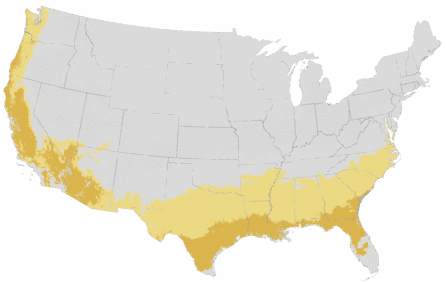
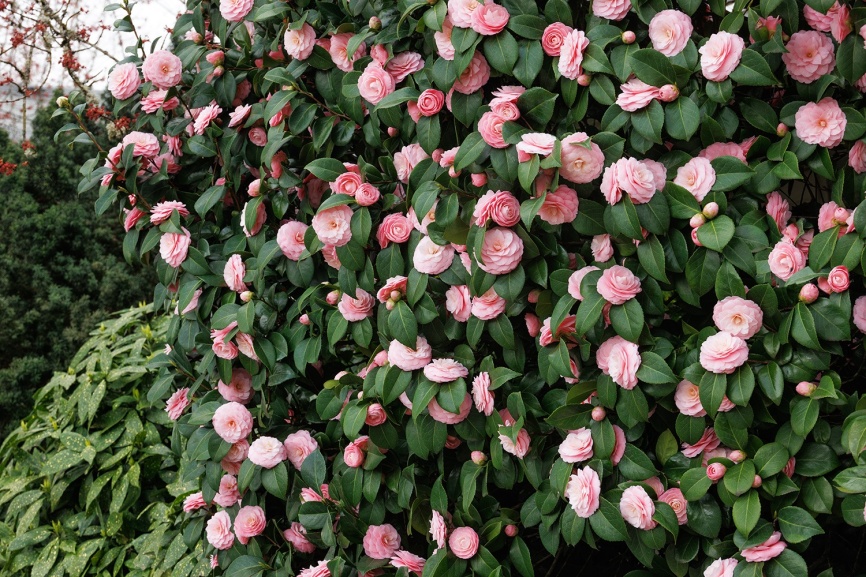
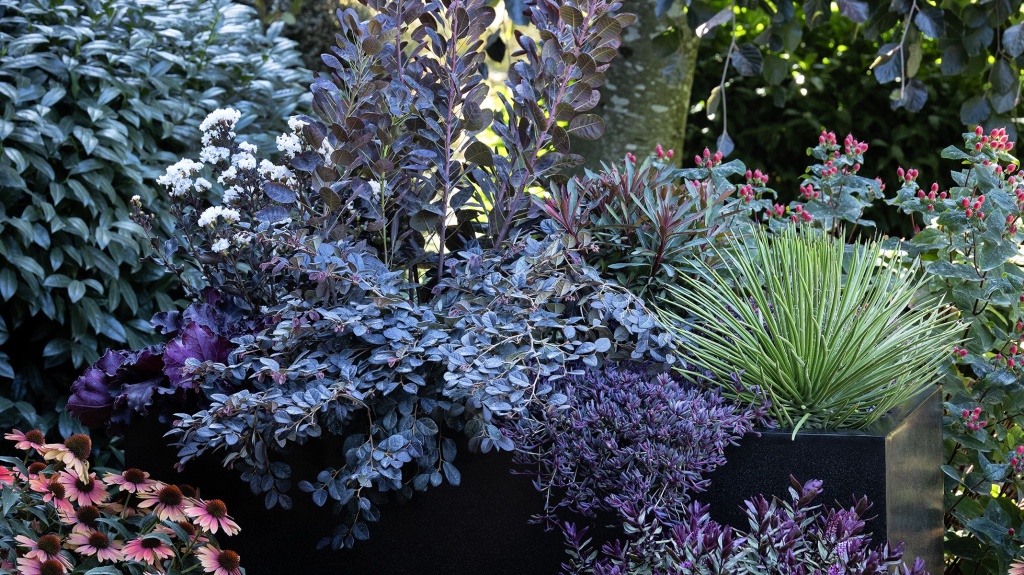

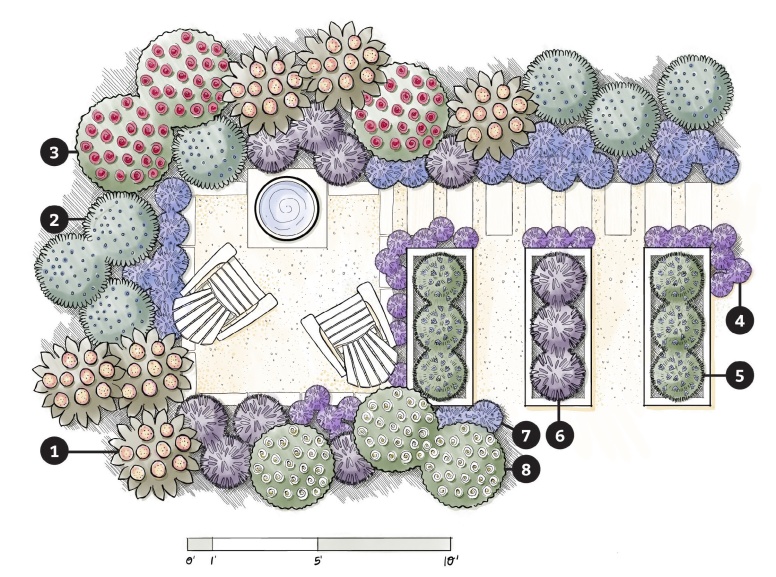
| Description | As if kissed by frost, this small, grass-like perennial shines in borders and containers. Tufts of flat, slightly upward-arching green leaves with white margins form a tidy mound that is decorated with dainty brown flower spikes as summer approaches. Nice as a single planting for a rock garden accent, or en masse as groundcover or edging. Evergreen. |
|---|---|
| Bloom Time | Summer |
| Deciduous/Evergreen | Evergreen |
| Special Features | Dramatic Foliage Color, Easy Care |
| Problems/Solutions | Coastal Exposure |
| Growth Rate | Moderate |
| Landscape Use | Border, Container, Ground Cover, Edging, Small Spaces |
| Flower Color | Brown |
| Foliage Color | Variegated |
| Companion Plants | Aster (Aster); Clematis (Clematis); Tickseed (Coreopsis); Crocosmia (Crocosmia); Elderberry (Sambucus); Lilac (Syringa); Mock Orange (Philadelphus); Weigela (Weigela) |
| Care Instructions | Provide average well-drained, soil; shelter from excess winter moisture. Best color in full sun. Water regularly in first growing season to establish root system; once established, reduce frequency. Faded foliage may be gently raked to remove, and pruned lightly just before new spring growth begins. |
| History | The history of the variety named Ice Crystal remains undefined, with some unsubstantiated information hinting that it originated in Japan with rights asserted in Europe. At thee time of this writing, there was no evidence of a US plant patent, active application or trademark on the name. It is likely that this plant originated as a seedling discovered in a greenhouse in Holland, originally called 'Frosty', submitted for USPTO review in 2012, but did not receive a patent. |
| Lore | In its native region of South Africa, the seeds of the Finica plant attracts ants, which carry the seed down into their nest. There, it is able to safely germinate without being eaten by predators. |
Details
| Description | As if kissed by frost, this small, grass-like perennial shines in borders and containers. Tufts of flat, slightly upward-arching green leaves with white margins form a tidy mound that is decorated with dainty brown flower spikes as summer approaches. Nice as a single planting for a rock garden accent, or en masse as groundcover or edging. Evergreen. |
|---|---|
| Bloom Time | Summer |
| Deciduous/Evergreen | Evergreen |
| Special Features | Dramatic Foliage Color, Easy Care |
| Problems/Solutions | Coastal Exposure |
| Growth Rate | Moderate |
Style
| Landscape Use | Border, Container, Ground Cover, Edging, Small Spaces |
|---|---|
| Flower Color | Brown |
| Foliage Color | Variegated |
| Companion Plants | Aster (Aster); Clematis (Clematis); Tickseed (Coreopsis); Crocosmia (Crocosmia); Elderberry (Sambucus); Lilac (Syringa); Mock Orange (Philadelphus); Weigela (Weigela) |
Care
| Care Instructions | Provide average well-drained, soil; shelter from excess winter moisture. Best color in full sun. Water regularly in first growing season to establish root system; once established, reduce frequency. Faded foliage may be gently raked to remove, and pruned lightly just before new spring growth begins. |
|---|
History
| History | The history of the variety named Ice Crystal remains undefined, with some unsubstantiated information hinting that it originated in Japan with rights asserted in Europe. At thee time of this writing, there was no evidence of a US plant patent, active application or trademark on the name. It is likely that this plant originated as a seedling discovered in a greenhouse in Holland, originally called 'Frosty', submitted for USPTO review in 2012, but did not receive a patent. |
|---|---|
| Lore | In its native region of South Africa, the seeds of the Finica plant attracts ants, which carry the seed down into their nest. There, it is able to safely germinate without being eaten by predators. |
Retailers Near You
About Us
We have been pioneers and craftsmen in the art of growing plants for nearly
100 years. Since our founding in Southern California by Harry E. Rosedale, Sr.
in 1926, we have been absolutely dedicated and obsessed with quality.
We have been pioneers and craftsmen in the art of growing plants for nearly 100 years. Since our founding in Southern California by Harry E. Rosedale, Sr. in 1926, we have been absolutely dedicated and obsessed with quality.