
You're growing in this Zip Code:
Change LocationDiscover Plants for Your Area
John Creech Stonecrop
Sedum spurium 'John Creech'
Pronunciation: SEE-dum SPUR-ee-um
SKU #01182
LIGHT:
Full sun, Partial sun
WATER:
Allow soil to dry between waterings.
SIZE:
Ground hugging foliage to 2 in. tall, 6 to 12 in. wide.

Retailers Near You
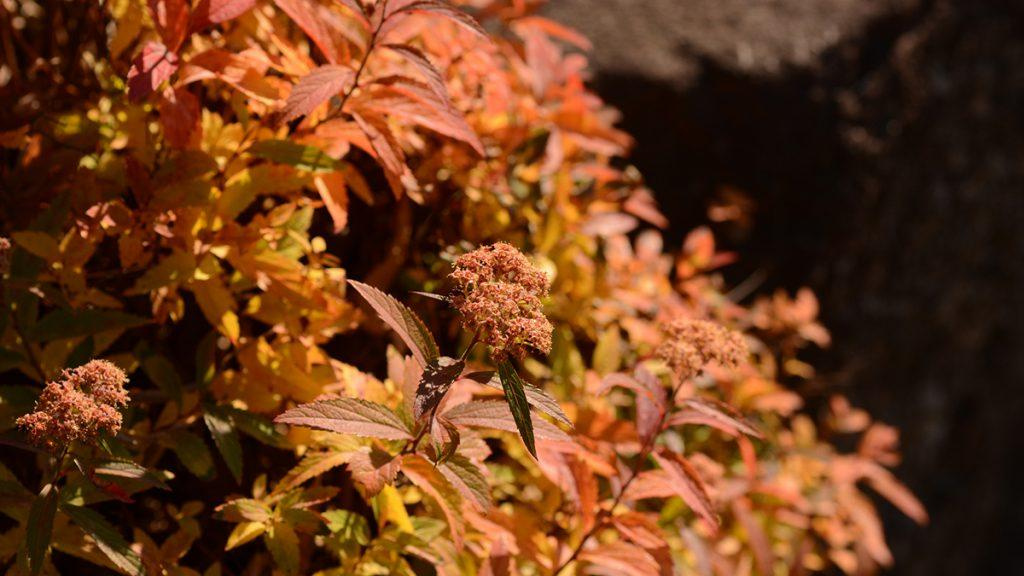
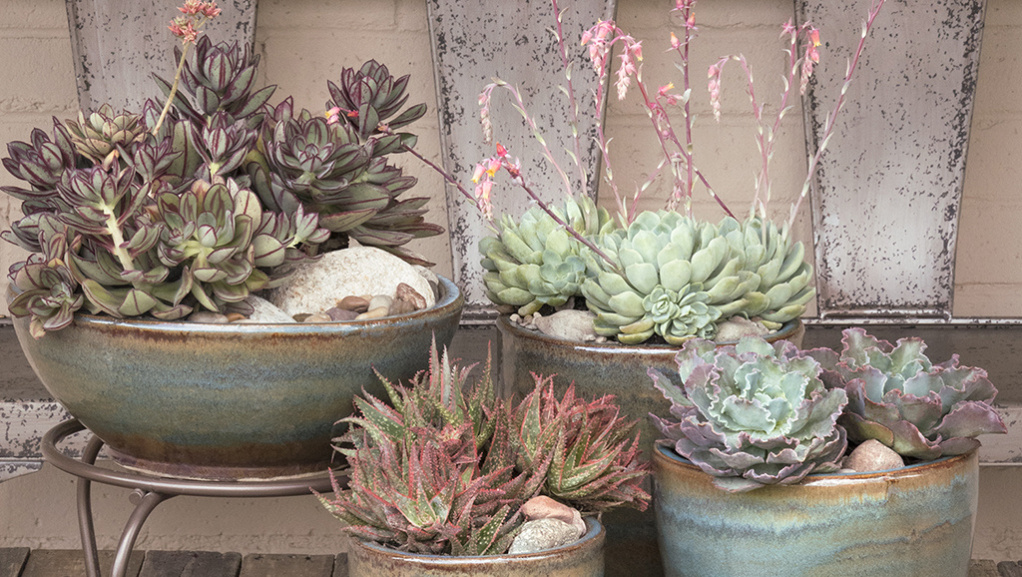
| Description | Small, scalloped green leaves form a durable, weed smothering groundcover. Small pink flowers create a layer of color over the lush carpet of foliage. Foliage and stems develop deep burgundy tones as cooler temperatures arrive. A fine selection for spotting in rock walls and rock gardens, or containers. Semi-evergreen. |
|---|---|
| Bloom Time | Fall |
| Deciduous/Evergreen | Semi-Evergreen |
| Special Features | Attracts Butterflies, Easy Care, Waterwise, Attracts Pollinators |
| Problems/Solutions | Coastal Exposure, Deer Resistant, Rabbit Resistant |
| Growth Rate | Moderate |
| Flower Attributes | Showy Flowers |
| Landscape Use | Container, Ground Cover |
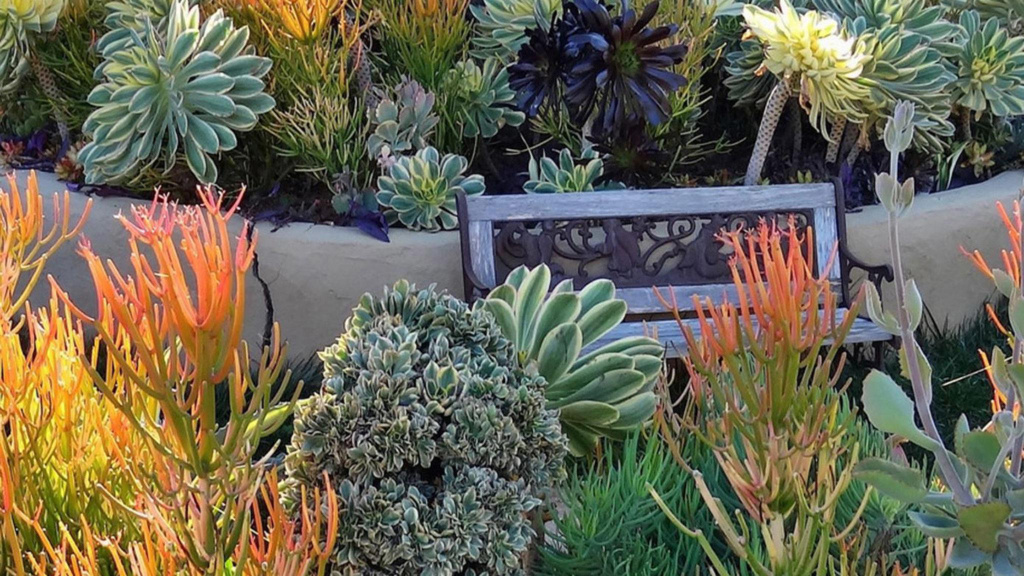
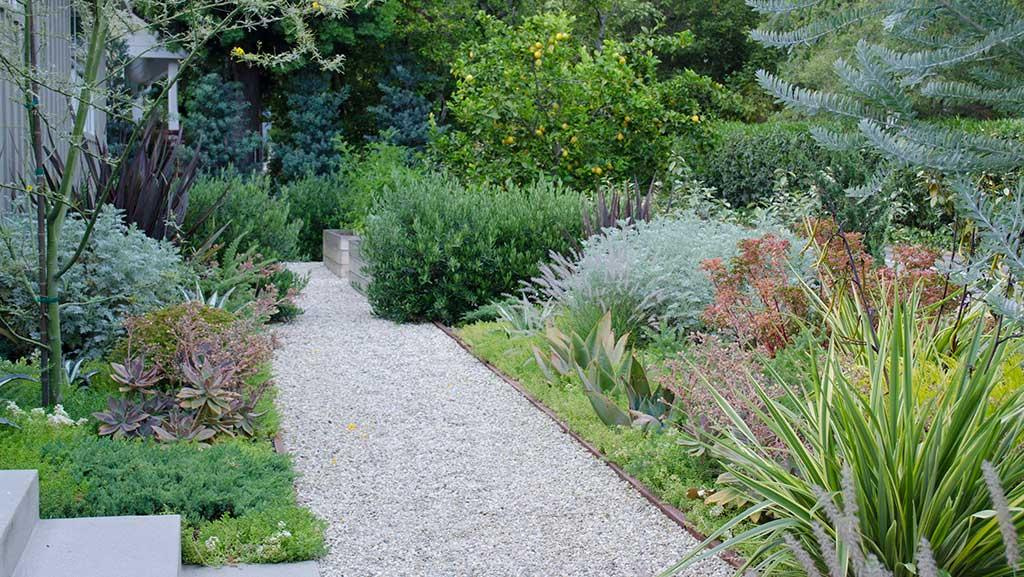
| Design Ideas | Easy succulent for pots and troughs with alpines and other more tropical choices. A superior rock garden plant or use in crumbling stone walls, slopes and banks. Excellent edging along flagstone paths. Belongs in all succulent gardens as lush green filler. |
| Flower Color | Pink |
| Foliage Color | Green |
| Companion Plants | Aloe (Aloe); Creeping Phlox (Phlox); Tickseed (Coreopsis); Hens & Chicks (Sempervivum); Red Yucca (Hesperaloe); Kalanchoe (Kalanchoe) |
| Care Instructions | Easily grown in lean, very well-drained soil. Water regularly during first growing season to establish an extensive root system. Avoid excessive winter moisture. Fertilize in spring. Control weeds until the plants have filled in. Clip spent flowers to promote continued bloom. Remove old foliage before new leaves emerge. |
| History | Sedum is classified into the Crassulaceae, containing about 600 species. This species is native to the Caucasus region of Eastern Europe. The variety was discovered by Dr. John Creech, former director of the U.S. National Arboretum, in the Siberian Academ Gorodok Gardens in 1971. |
| Lore | The genus is from the Latin verb sedere, to sit, which describes the procumbent growth habit of many species. |
Details
| Description | Small, scalloped green leaves form a durable, weed smothering groundcover. Small pink flowers create a layer of color over the lush carpet of foliage. Foliage and stems develop deep burgundy tones as cooler temperatures arrive. A fine selection for spotting in rock walls and rock gardens, or containers. Semi-evergreen. |
|---|---|
| Bloom Time | Fall |
| Deciduous/Evergreen | Semi-Evergreen |
| Special Features | Attracts Butterflies, Easy Care, Waterwise, Attracts Pollinators |
| Problems/Solutions | Coastal Exposure, Deer Resistant, Rabbit Resistant |
| Growth Rate | Moderate |
| Flower Attributes | Showy Flowers |
Style
| Landscape Use | Container, Ground Cover |
|---|---|
| Design Ideas | Easy succulent for pots and troughs with alpines and other more tropical choices. A superior rock garden plant or use in crumbling stone walls, slopes and banks. Excellent edging along flagstone paths. Belongs in all succulent gardens as lush green filler. |
| Flower Color | Pink |
| Foliage Color | Green |
| Companion Plants | Aloe (Aloe); Creeping Phlox (Phlox); Tickseed (Coreopsis); Hens & Chicks (Sempervivum); Red Yucca (Hesperaloe); Kalanchoe (Kalanchoe) |
Care
| Care Instructions | Easily grown in lean, very well-drained soil. Water regularly during first growing season to establish an extensive root system. Avoid excessive winter moisture. Fertilize in spring. Control weeds until the plants have filled in. Clip spent flowers to promote continued bloom. Remove old foliage before new leaves emerge. |
|---|
History
| History | Sedum is classified into the Crassulaceae, containing about 600 species. This species is native to the Caucasus region of Eastern Europe. The variety was discovered by Dr. John Creech, former director of the U.S. National Arboretum, in the Siberian Academ Gorodok Gardens in 1971. |
|---|---|
| Lore | The genus is from the Latin verb sedere, to sit, which describes the procumbent growth habit of many species. |
Retailers Near You
About Us
We have been pioneers and craftsmen in the art of growing plants for 100 years. Since our founding in Southern California by Harry E. Rosedale, Sr. in 1926, we have been absolutely dedicated and obsessed with quality.
We have been pioneers and craftsmen in the art of growing plants for nearly 100 years. Since our founding in Southern California by Harry E. Rosedale, Sr. in 1926, we have been absolutely dedicated and obsessed with quality.