
You're growing in this Zip Code:
Change LocationDiscover Plants for Your Area
Kadota Fig
Ficus carica 'Kadota'
Pronunciation: FYE-kus KAH-ri-ka
SKU #03679
LIGHT:
Full sun
WATER:
Water deeply when soil is dry.
SIZE:
Moderate growing; reaches 15 to 25 ft. tall and wide.

Retailers Near You
Ready to Grow?
Ship Monrovia plants directly to your door. Browse a curated selection available online.
Shop Now >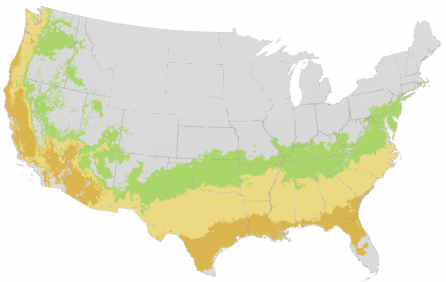
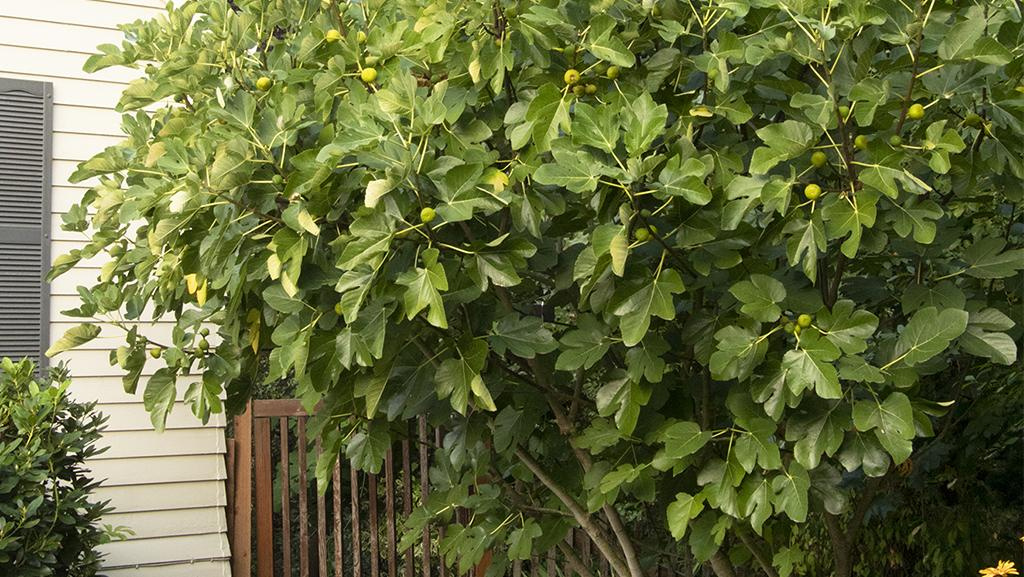
| Description | An attractive deciduous garden tree with intriguing branching that provides excellent winter character. A reliable fall harvest of especially sweet, greenish yellow fruit. Highly adaptable and often root hardy and prolific in zones 5 and 6 if planted in a sheltered location. A beautiful specimen for garden or landscape with light annual pruning. |
|---|---|
| Bloom Time | Inconspicuous; prized for fruit and foliage. |
| Deciduous/Evergreen | Deciduous |
| Special Features | Edible, Benefits Birds |
| Problems/Solutions | Coastal Exposure, Deer Resistant |
| Growth Rate | Moderate |
| Growth Habit | Spreading |
| Landscape Use | Container, Espalier |
| Design Ideas | Treat this Fig as a small shade tree or accent if you don't have it in a fruit garden. Its green fruit is not as decorative as other Fig but just as delicious. Also fits into tropical gardens as a reliable source of large exotic leaves. |
| Foliage Color | Green |
| Companion Plants | Rosemary (Rosmarinus); Lavender (Lavandula); Blackberry (Rubus); Grape (Vitis); Fragaria (Strawberry) |
| Care Instructions | Prefers enriched, well-drained soil. Water deeply, regularly in first growing season to establish root system; reduce frequency, once established. Requires less water in fall and winter, more in growing season. Shelter in colder zones; may die back and re-sprout from roots in spring. Apply fertilizer in spring. Prune lightly in late winter. |
| History | The fig is believed native to western Asia, then distributed throughout the Mediterranean during ancient times. The Roman Empire boasted 29 different varieties. Figs reached North America with the Spanish via California missions in 1769. From these first plantings came the 'Mission' fig, the ancestor to most contemporary varieties. By 1946 over fifteen percent of California's figs were Kadotas. |
| Lore | The earliest evidence of fig fruit cultivation dates back to 5000 BC. |
Details
| Description | An attractive deciduous garden tree with intriguing branching that provides excellent winter character. A reliable fall harvest of especially sweet, greenish yellow fruit. Highly adaptable and often root hardy and prolific in zones 5 and 6 if planted in a sheltered location. A beautiful specimen for garden or landscape with light annual pruning. |
|---|---|
| Bloom Time | Inconspicuous; prized for fruit and foliage. |
| Deciduous/Evergreen | Deciduous |
| Special Features | Edible, Benefits Birds |
| Problems/Solutions | Coastal Exposure, Deer Resistant |
| Growth Rate | Moderate |
| Growth Habit | Spreading |
Style
| Landscape Use | Container, Espalier |
|---|---|
| Design Ideas | Treat this Fig as a small shade tree or accent if you don't have it in a fruit garden. Its green fruit is not as decorative as other Fig but just as delicious. Also fits into tropical gardens as a reliable source of large exotic leaves. |
| Foliage Color | Green |
| Companion Plants | Rosemary (Rosmarinus); Lavender (Lavandula); Blackberry (Rubus); Grape (Vitis); Fragaria (Strawberry) |
Care
| Care Instructions | Prefers enriched, well-drained soil. Water deeply, regularly in first growing season to establish root system; reduce frequency, once established. Requires less water in fall and winter, more in growing season. Shelter in colder zones; may die back and re-sprout from roots in spring. Apply fertilizer in spring. Prune lightly in late winter. |
|---|
History
| History | The fig is believed native to western Asia, then distributed throughout the Mediterranean during ancient times. The Roman Empire boasted 29 different varieties. Figs reached North America with the Spanish via California missions in 1769. From these first plantings came the 'Mission' fig, the ancestor to most contemporary varieties. By 1946 over fifteen percent of California's figs were Kadotas. |
|---|---|
| Lore | The earliest evidence of fig fruit cultivation dates back to 5000 BC. |
Frequently asked questions
Does Kadota Fig produce flowers?
Inconspicuous; prized for fruit and foliage.
Is Kadota Fig evergreen or deciduous?
Kadota Fig is Deciduous.
What are the special features of Kadota Fig?
Kadota Fig is Edible, Benefits Birds.
Is Kadota Fig resistant to pests or animals?
Coastal Exposure, Deer Resistant
How fast does Kadota Fig grow?
Kadota Fig has a Moderate growth rate.
What is the growth habit of Kadota Fig?
Kadota Fig grows in an Spreading habit.
Where can I use Kadota Fig in my landscape?
Kadota Fig is suitable for: Container, Espalier.
How can I use Kadota Fig in my garden design?
Treat this Fig as a small shade tree or accent if you don't have it in a fruit garden. Its green fruit is not as decorative as other Fig but just as delicious. Also fits into tropical gardens as a reliable source of large exotic leaves.
What color is the foliage of Kadota Fig?
Kadota Fig has Green foliage.
What plants grow well with Kadota Fig?
Good companion plants for Kadota Fig include: Rosemary (Rosmarinus); Lavender (Lavandula); Blackberry (Rubus); Grape (Vitis); Fragaria (Strawberry).
How do I care for Kadota Fig?
Prefers enriched, well-drained soil. Water deeply, regularly in first growing season to establish root system; reduce frequency, once established. Requires less water in fall and winter, more in growing season. Shelter in colder zones; may die back and re-sprout from roots in spring. Apply fertilizer in spring. Prune lightly in late winter.
What is the history of Kadota Fig?
The fig is believed native to western Asia, then distributed throughout the Mediterranean during ancient times. The Roman Empire boasted 29 different varieties. Figs reached North America with the Spanish via California missions in 1769. From these first plantings came the 'Mission' fig, the ancestor to most contemporary varieties. By 1946 over fifteen percent of California's figs were Kadotas.
Retailers Near You
About Us
We have been pioneers and craftsmen in the art of growing plants for 100 years. Since our founding in Southern California by Harry E. Rosedale, Sr. in 1926, we have been absolutely dedicated and obsessed with quality.
We have been pioneers and craftsmen in the art of growing plants for nearly 100 years. Since our founding in Southern California by Harry E. Rosedale, Sr. in 1926, we have been absolutely dedicated and obsessed with quality.