
You're growing in this Zip Code:
Discover Plants for Your Area


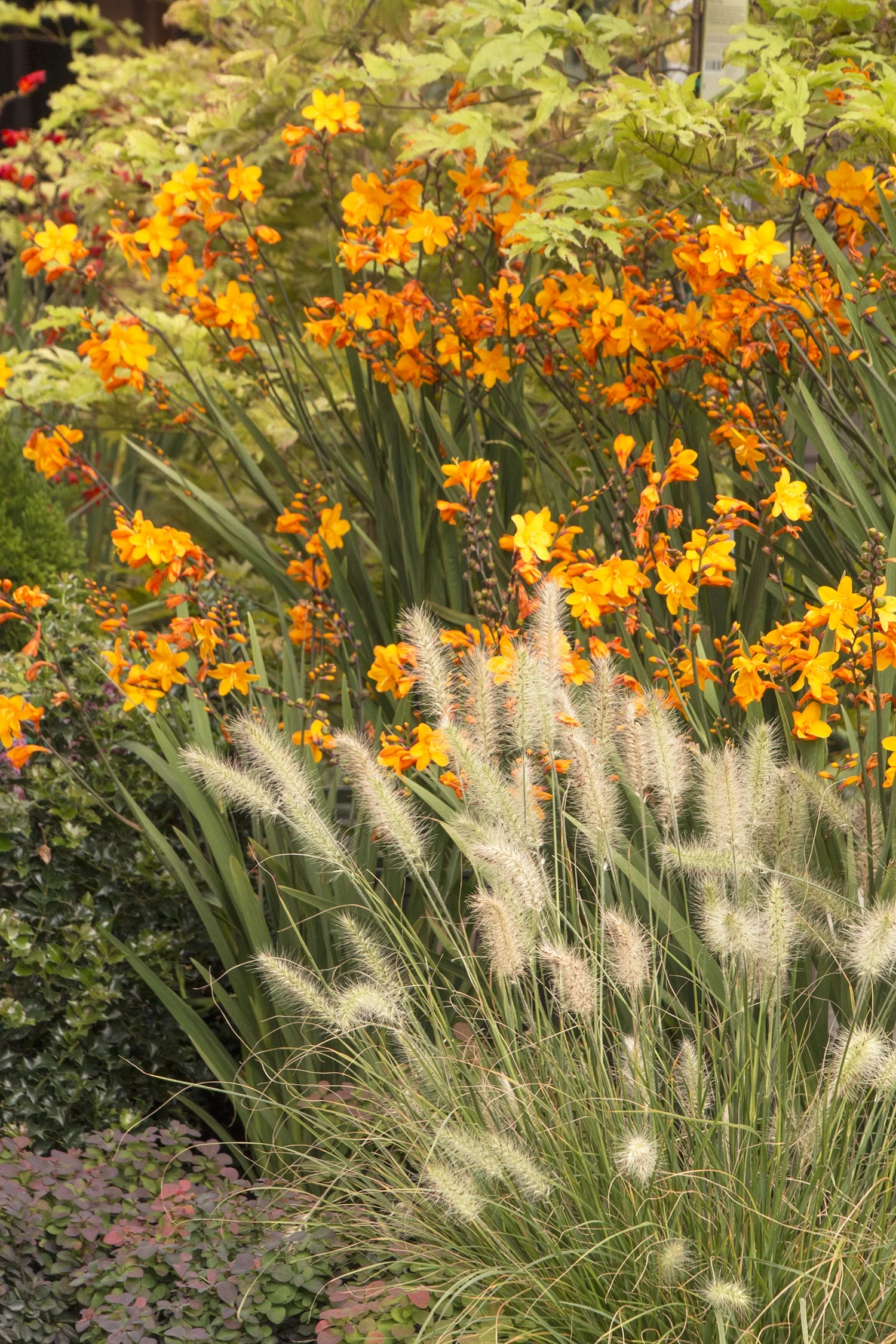

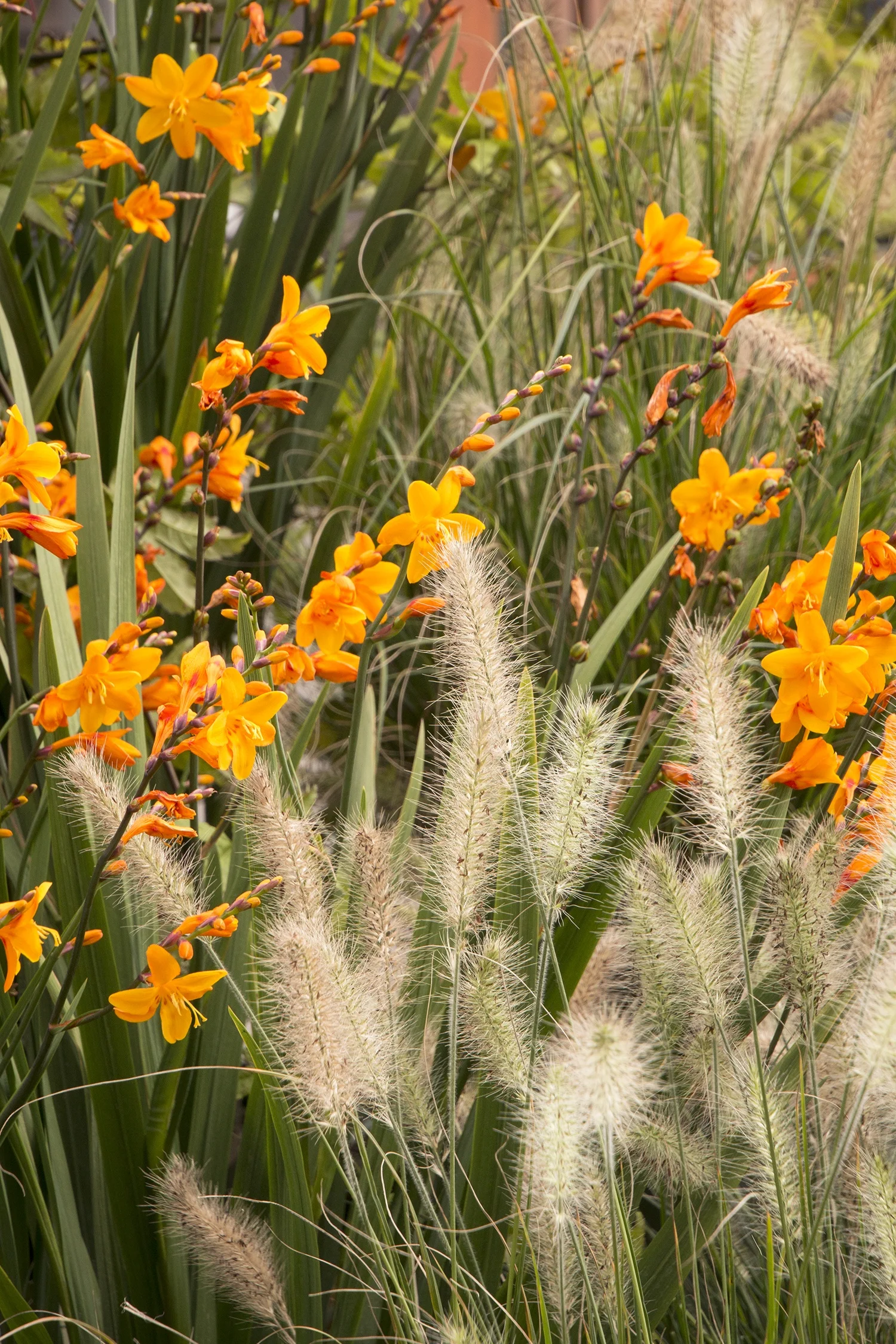

Little Bunny Dwarf Fountain Grass
Pennisetum alopecuroides 'Little Bunny'
Pronunciation: pen-i-SEE-tum al-o-pe-kur-OH-deez
SKU #06359
LIGHT:
Full sun
WATER:
Water when top 2 inches of soil is dry.
SIZE:
Slowly reaches 10 to 12 in. tall and wide.

Home Delivery Price
?
- Arrives in 3 to 7 days
- Free shipping on orders over $149
- Perfect Start Promise
Select Quantity
Retailers Near You
This Plant's Growing Zones: 4-9
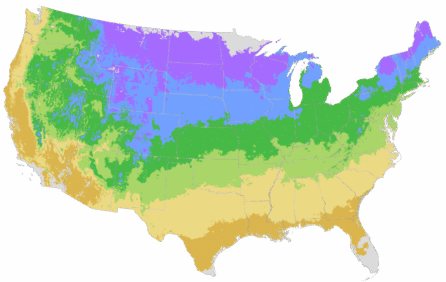
Your USDA Cold Hardiness Zone:
| Description | The most dwarf of the fountain grasses with fluffy, buff-colored blooms. Terrific contrast for use in rock gardens, borders, foundation plantings, or in perennial beds. Foliage turns golden russet in fall. Adds interest and texture to containers. Drought tolerant when established. |
|---|---|
| Bloom Time | Late summer through fall |
| Deciduous/Evergreen | Herbaceous |
| Special Features | Easy Care, Fall Color, Waterwise, Heat Loving, Compact Form, Benefits Birds |
| Problems/Solutions | Deer Resistant, Erosion Control, Rabbit Resistant |
| Growth Rate | Slow |
| Landscape Use | Border, Container |
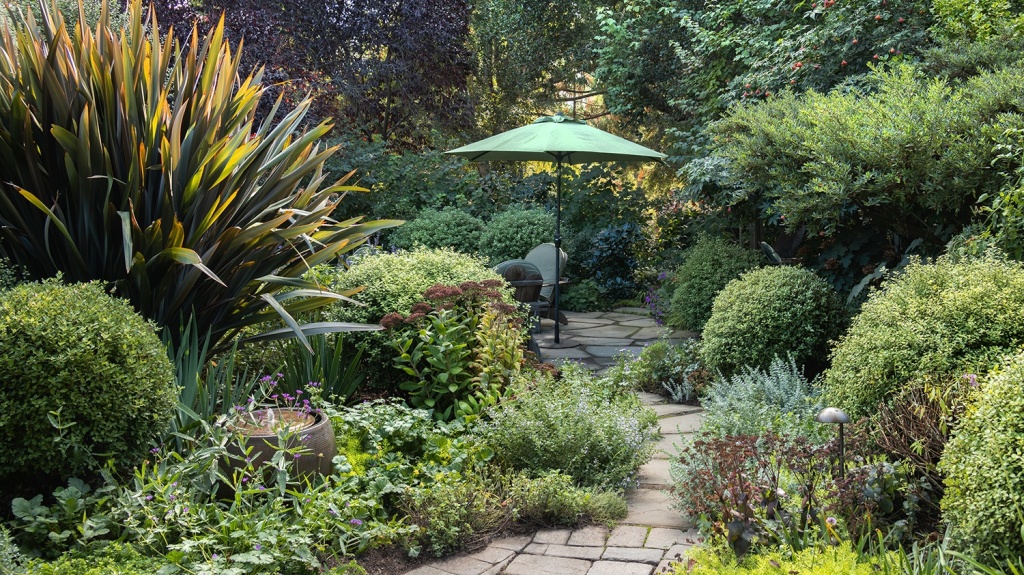
| Design Ideas | Now small gardens and courtyards can enjoy the beautiful fountain-like flowers of Fountain Grass. Plant as an accent with mixed perennials. Ideal for dry stream beds and around rocks in natural or wild gardens. Perfect next to water gardens, where it won't overwhelm the scheme. Grow in distressed cast iron, bronze or copper containers on porch, patio, balcony or perched on low walls. |
| Flower Color | White |
| Foliage Color | Green |
| Foliage Fall Color | Yellow |
| Companion Plants | Blanket Flower (Gaillardia); Tickseed (Coreopsis); Yarrow (Achillea); Sedum (Sedum); Salvia (Salvia) |
| Care Instructions | Thrives in average, well-drained soils; avoid heavy, wet clay soils. Water deeply and regularly during first growing season to establish an extensive root system. Once established, reduce frequency; tolerates mild drought. Cut foliage back just before new shoots appear in late winter to early spring. |
| History | Pennisetum is in the grass family and native to temperate regions of the world. Species alopecuroides is native to China and Japan and often referred to as Chinese or Japanese Fountain Grass. |
Details
| Description | The most dwarf of the fountain grasses with fluffy, buff-colored blooms. Terrific contrast for use in rock gardens, borders, foundation plantings, or in perennial beds. Foliage turns golden russet in fall. Adds interest and texture to containers. Drought tolerant when established. |
|---|---|
| Bloom Time | Late summer through fall |
| Deciduous/Evergreen | Herbaceous |
| Special Features | Easy Care, Fall Color, Waterwise, Heat Loving, Compact Form, Benefits Birds |
| Problems/Solutions | Deer Resistant, Erosion Control, Rabbit Resistant |
| Growth Rate | Slow |
Style
| Landscape Use | Border, Container |
|---|---|
| Design Ideas | Now small gardens and courtyards can enjoy the beautiful fountain-like flowers of Fountain Grass. Plant as an accent with mixed perennials. Ideal for dry stream beds and around rocks in natural or wild gardens. Perfect next to water gardens, where it won't overwhelm the scheme. Grow in distressed cast iron, bronze or copper containers on porch, patio, balcony or perched on low walls. |
| Flower Color | White |
| Foliage Color | Green |
| Foliage Fall Color | Yellow |
| Companion Plants | Blanket Flower (Gaillardia); Tickseed (Coreopsis); Yarrow (Achillea); Sedum (Sedum); Salvia (Salvia) |
Care
| Care Instructions | Thrives in average, well-drained soils; avoid heavy, wet clay soils. Water deeply and regularly during first growing season to establish an extensive root system. Once established, reduce frequency; tolerates mild drought. Cut foliage back just before new shoots appear in late winter to early spring. |
|---|
History
| History | Pennisetum is in the grass family and native to temperate regions of the world. Species alopecuroides is native to China and Japan and often referred to as Chinese or Japanese Fountain Grass. |
|---|
Retailers Near You
About Us
We have been pioneers and craftsmen in the art of growing plants for 100 years. Since our founding in Southern California by Harry E. Rosedale, Sr. in 1926, we have been absolutely dedicated and obsessed with quality.
We have been pioneers and craftsmen in the art of growing plants for nearly 100 years. Since our founding in Southern California by Harry E. Rosedale, Sr. in 1926, we have been absolutely dedicated and obsessed with quality.