
You're growing in this Zip Code:
Discover Plants for Your Area


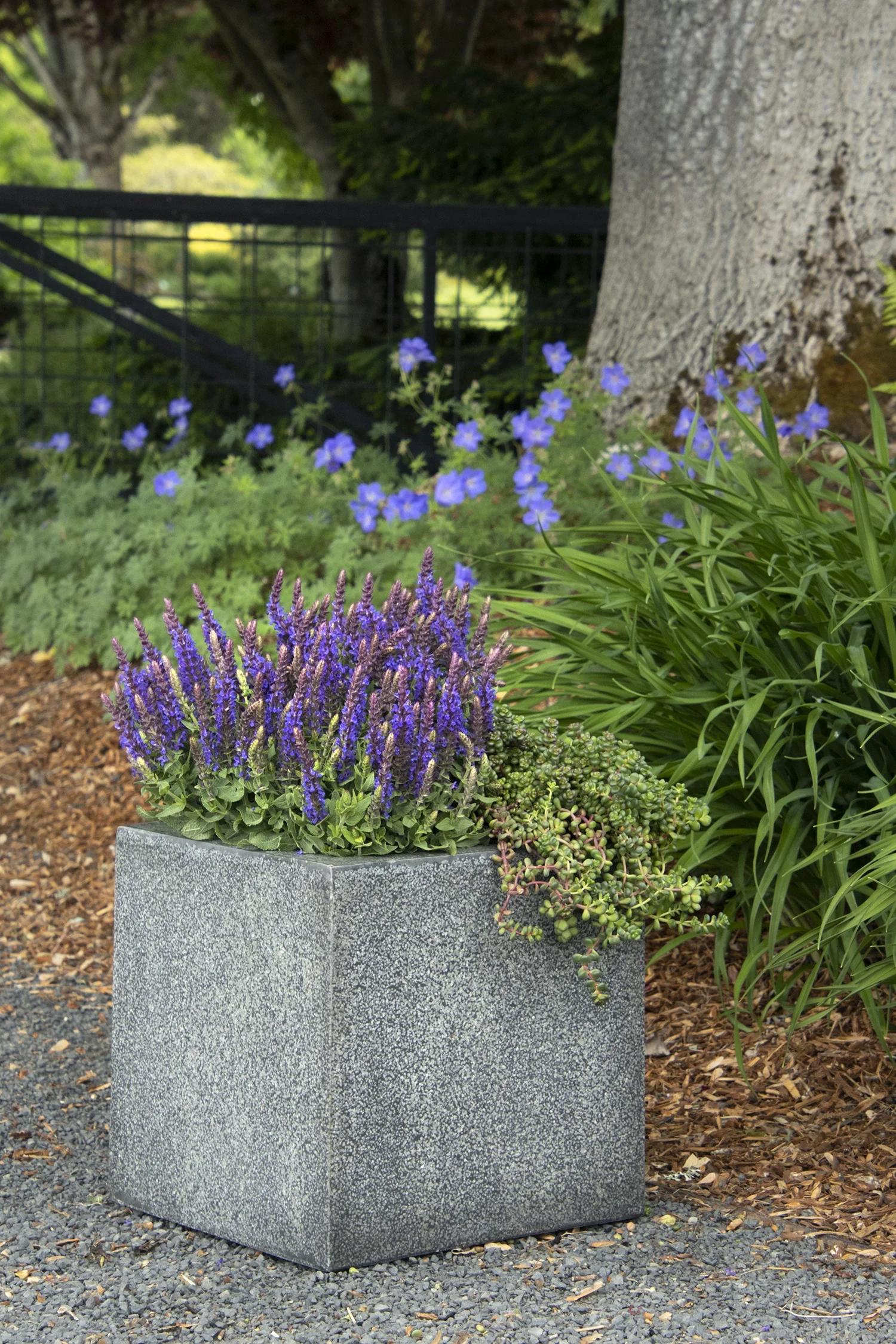


Little Night European Meadow Sage
Salvia x sylvestris 'Little Night' PP #28,925
Pronunciation: SAL-vee-uh sil-VES-tris
SKU #42012
LIGHT:
Full sun
WATER:
Allow soil to dry between waterings.
SIZE:
Moderate growing; reaches 10 to 12 in. tall, 14 to 16 in. wide.

Retailers Near You
Ready to Grow?
Ship Monrovia plants directly to your door. Browse a curated selection available online.
Shop Now >This Plant's Growing Zones: 4-9
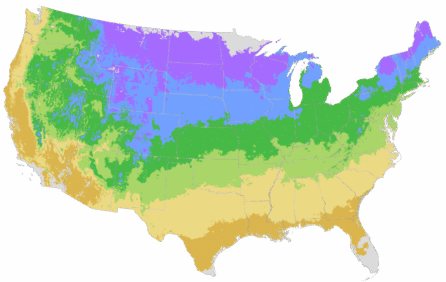
Your USDA Cold Hardiness Zone:
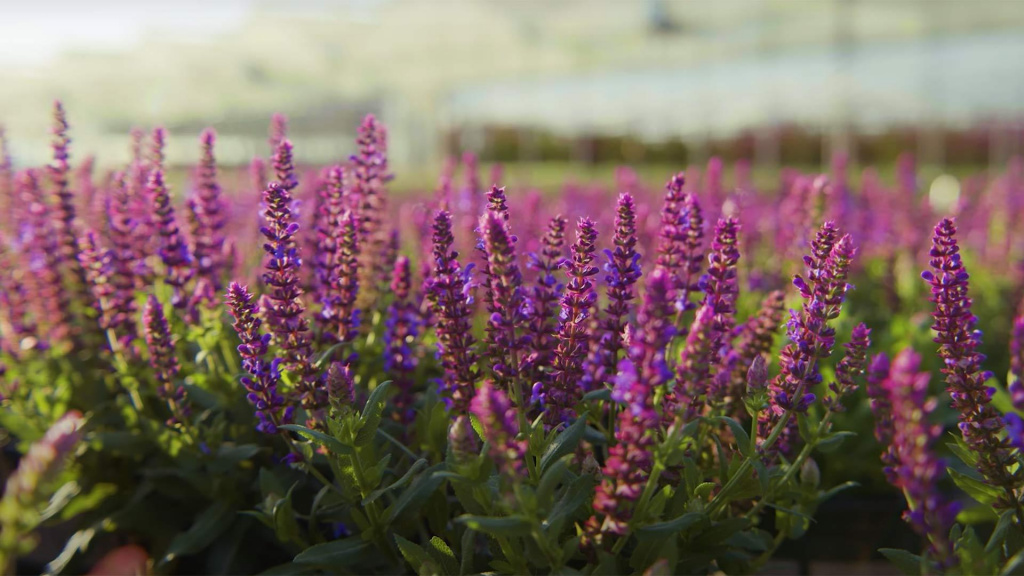
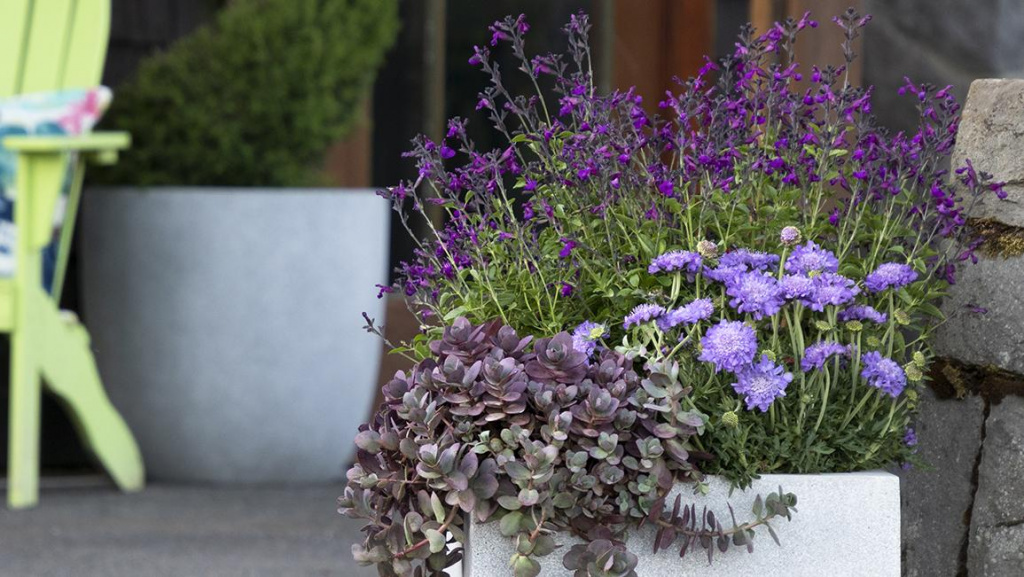
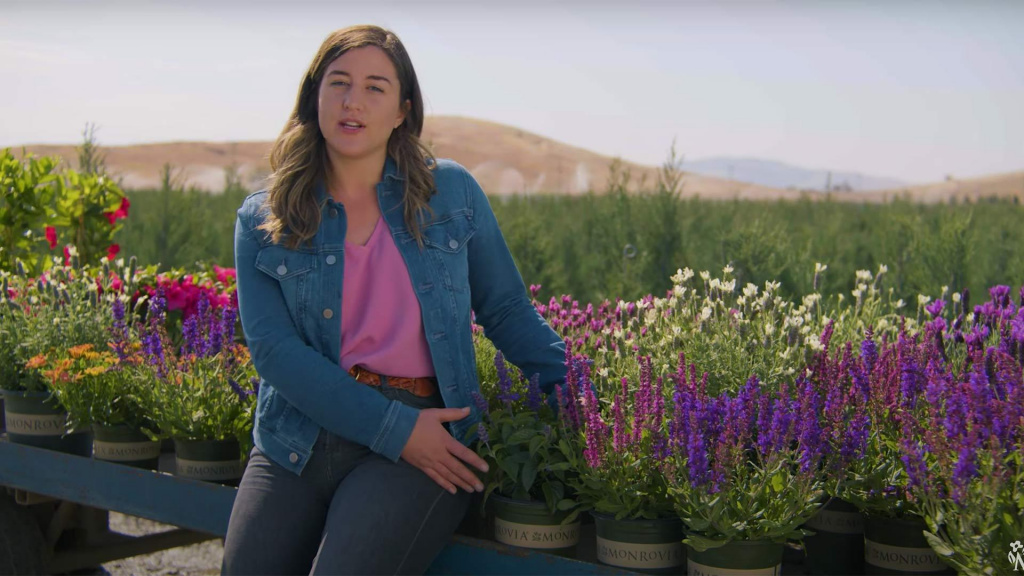

| Description | A charming but tough little bloomer with deep purple-violet flower spikes covering the tight, mounding foliage in late spring, often repeating in late summer. Adds bold, vibrant color when massed in the fronts of beds and borders. Ideal for containers, rock gardens, and naturalized areas. An herbaceous perennial. |
|---|---|
| Bloom Time | Late spring through early summer. |
| Deciduous/Evergreen | Herbaceous |
| Special Features | Attracts Butterflies, Attracts Hummingbirds, Easy Care, Waterwise, Attracts Pollinators, Heat Loving, Compact Form |
| Problems/Solutions | Deer Resistant, Rabbit Resistant, Drought Tolerant |
| Growth Rate | Moderate |
| Flower Attributes | Flowers for Cutting, Showy Flowers |
| Patent Act | Asexual reproduction of plants protected by the Plant Patent Act is prohibited during the life of the patent. |
| Landscape Use | Border, Container, Edging |
| Flower Color | Purple |
| Foliage Color | Blue-green |
| Companion Plants | Yarrow (Achillea); Coneflower (Echinacea); Maiden Grass (Miscanthus); Russian Sage (Perovskia); Sedum (Sedum) |
| Care Instructions | Thrives in average, well-drained soils. Water deeply, regularly in first growing season to establish extensive root system. Once established, reduce frequency; tolerates periodic drought. Fertilize before new growth begins in spring. Remove spent flowers to encourage rebloom. Leave old foliage for winter protection; cut back in early spring. |
| History | 'Little Night' is a seedling of Salvia x sylvestris 'May Night', introduced by High Country Gardens. |
Details
| Description | A charming but tough little bloomer with deep purple-violet flower spikes covering the tight, mounding foliage in late spring, often repeating in late summer. Adds bold, vibrant color when massed in the fronts of beds and borders. Ideal for containers, rock gardens, and naturalized areas. An herbaceous perennial. |
|---|---|
| Bloom Time | Late spring through early summer. |
| Deciduous/Evergreen | Herbaceous |
| Special Features | Attracts Butterflies, Attracts Hummingbirds, Easy Care, Waterwise, Attracts Pollinators, Heat Loving, Compact Form |
| Problems/Solutions | Deer Resistant, Rabbit Resistant, Drought Tolerant |
| Growth Rate | Moderate |
| Flower Attributes | Flowers for Cutting, Showy Flowers |
| Patent Act | Asexual reproduction of plants protected by the Plant Patent Act is prohibited during the life of the patent. |
Style
| Landscape Use | Border, Container, Edging |
|---|---|
| Flower Color | Purple |
| Foliage Color | Blue-green |
| Companion Plants | Yarrow (Achillea); Coneflower (Echinacea); Maiden Grass (Miscanthus); Russian Sage (Perovskia); Sedum (Sedum) |
Care
| Care Instructions | Thrives in average, well-drained soils. Water deeply, regularly in first growing season to establish extensive root system. Once established, reduce frequency; tolerates periodic drought. Fertilize before new growth begins in spring. Remove spent flowers to encourage rebloom. Leave old foliage for winter protection; cut back in early spring. |
|---|
History
| History | 'Little Night' is a seedling of Salvia x sylvestris 'May Night', introduced by High Country Gardens. |
|---|
Retailers Near You
About Us
We have been pioneers and craftsmen in the art of growing plants for 100 years. Since our founding in Southern California by Harry E. Rosedale, Sr. in 1926, we have been absolutely dedicated and obsessed with quality.
We have been pioneers and craftsmen in the art of growing plants for nearly 100 years. Since our founding in Southern California by Harry E. Rosedale, Sr. in 1926, we have been absolutely dedicated and obsessed with quality.