
You're growing in this Zip Code:
Discover Plants for Your Area
Low Scape Mound® Chokeberry
Aronia melanocarpa 'UCONNAM165' PP #28,789; CPBR #CPBRAF
Pronunciation: ar-ROH-nee-uh mel-an-oh-KAR-puh
SKU #42419
LIGHT:
Full sun, Partial sun
WATER:
Water when top 2 inches of soil is dry.
SIZE:
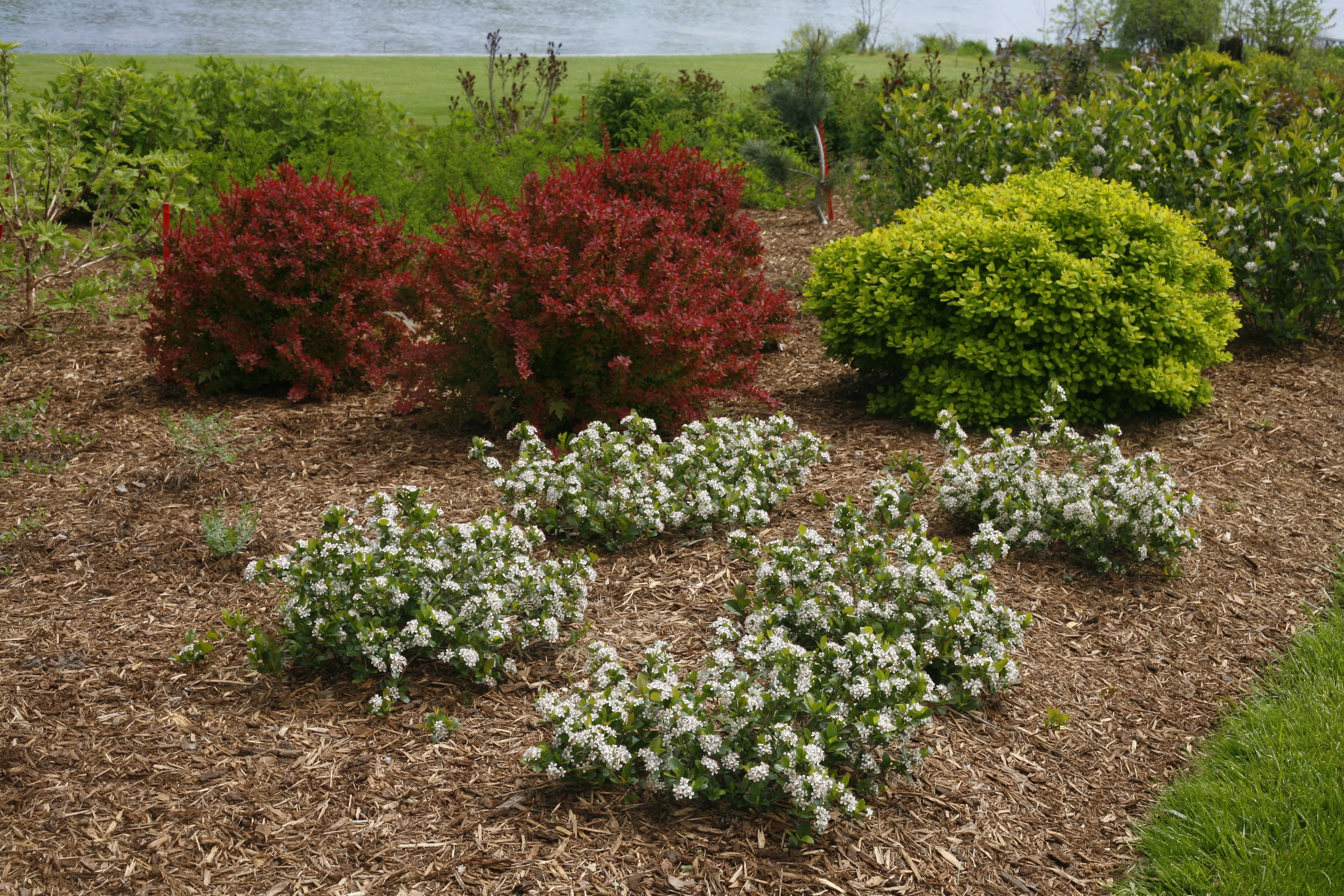
Reaches 12 to 24 in. tall, 18 to 24 in. wide.

Retailers Near You
Ready to Grow?
Ship Monrovia plants directly to your door. Browse a curated selection available online.
Shop Now >This Plant's Growing Zones: 3-9
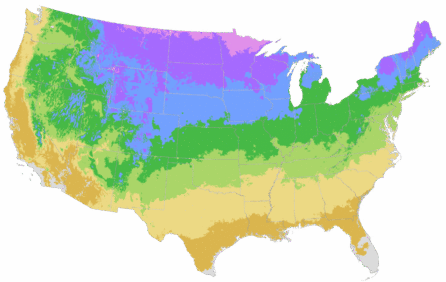
Your USDA Cold Hardiness Zone:
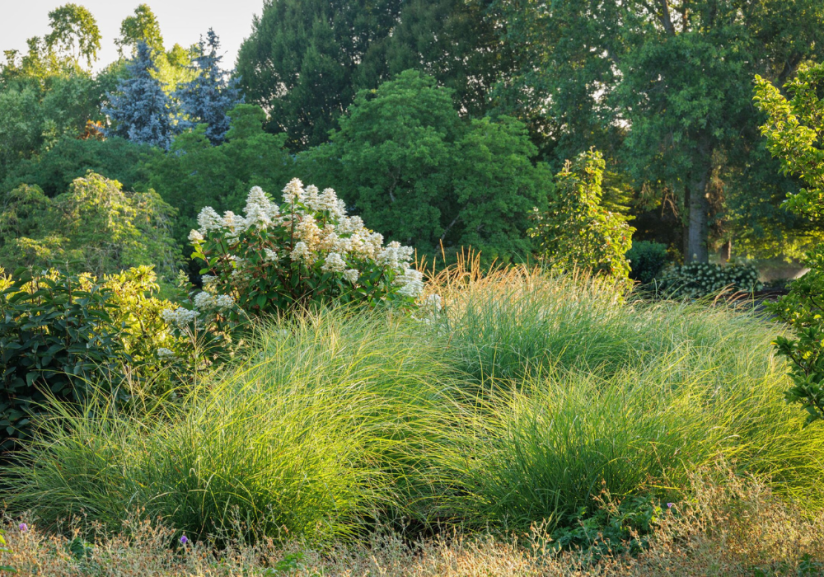
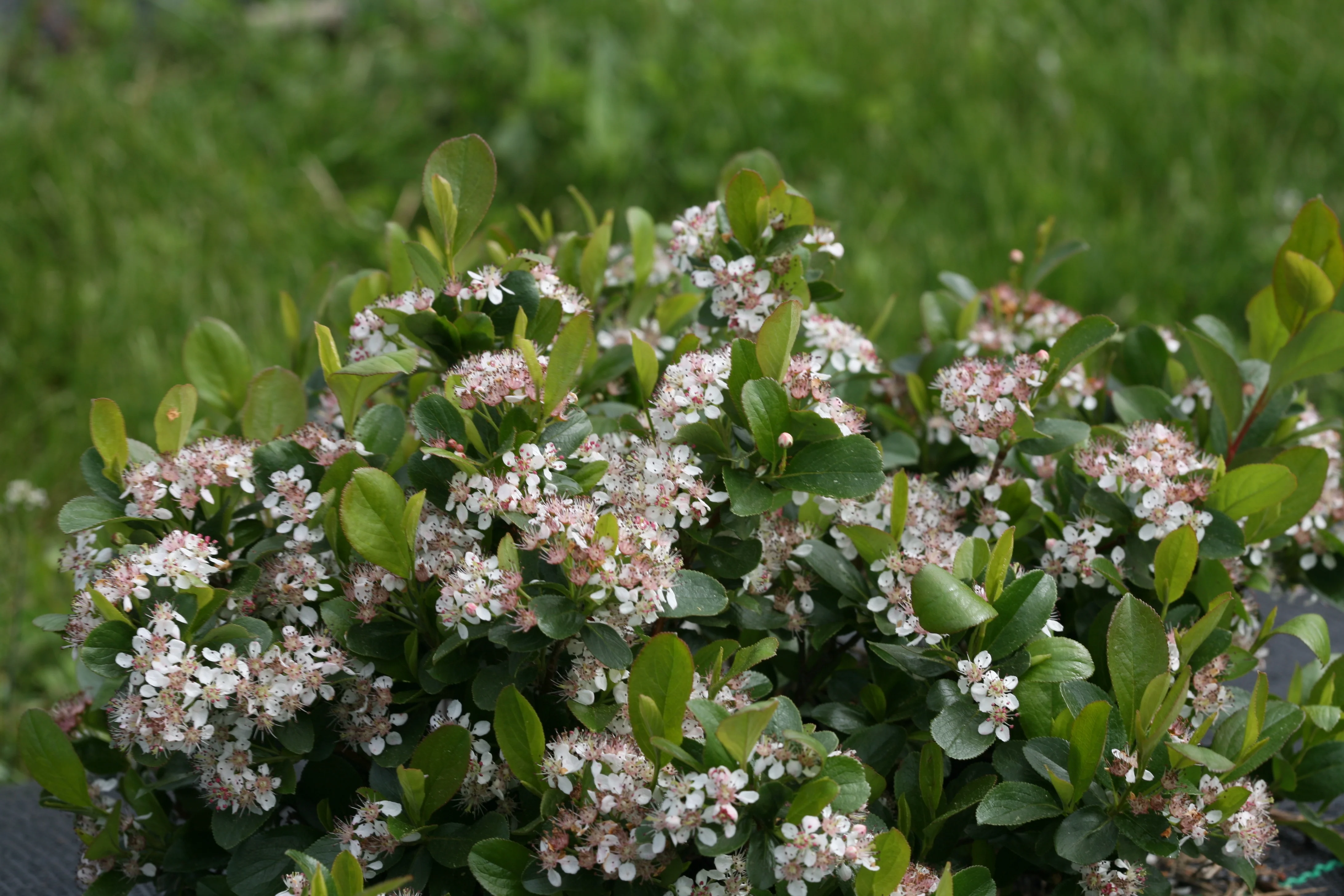
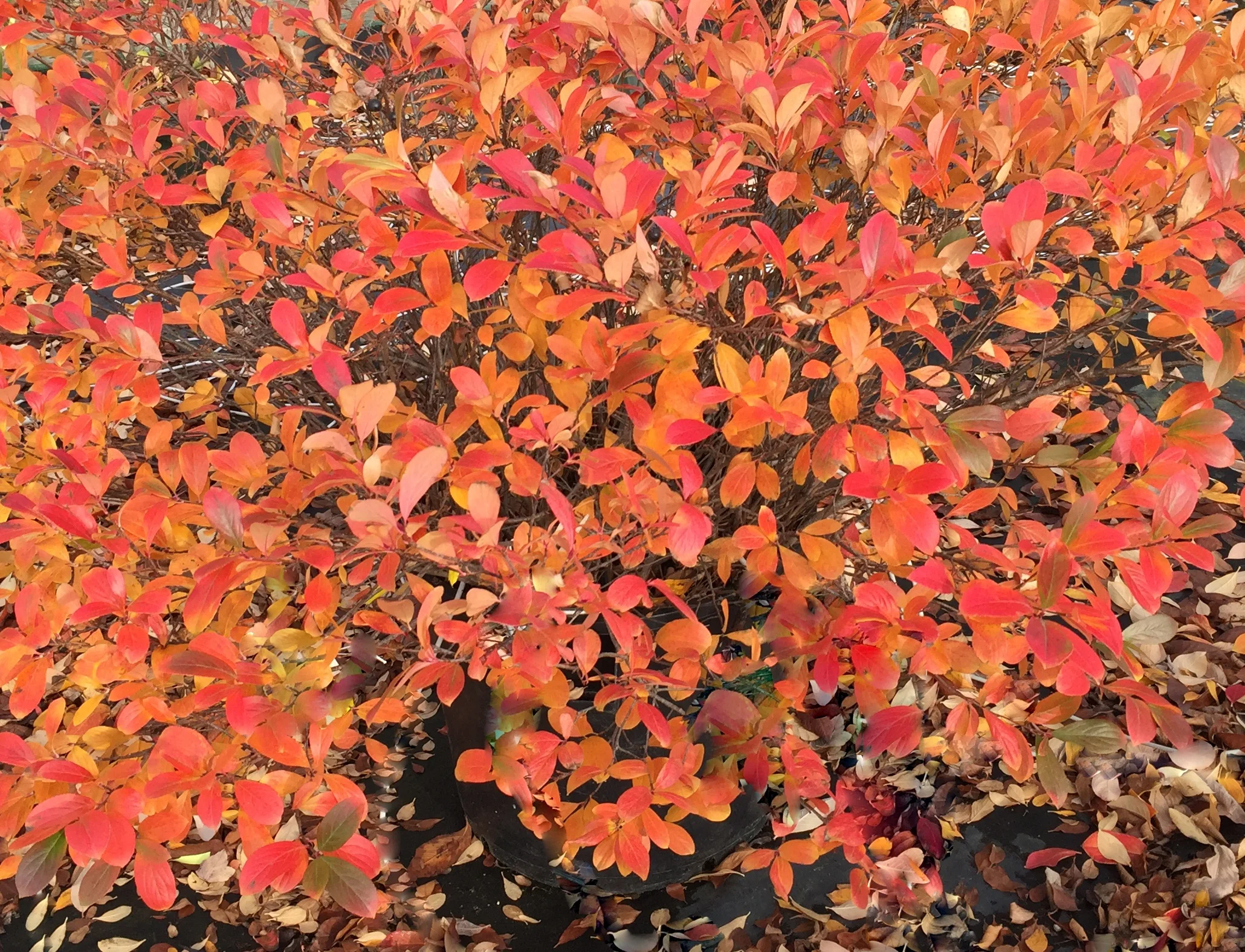
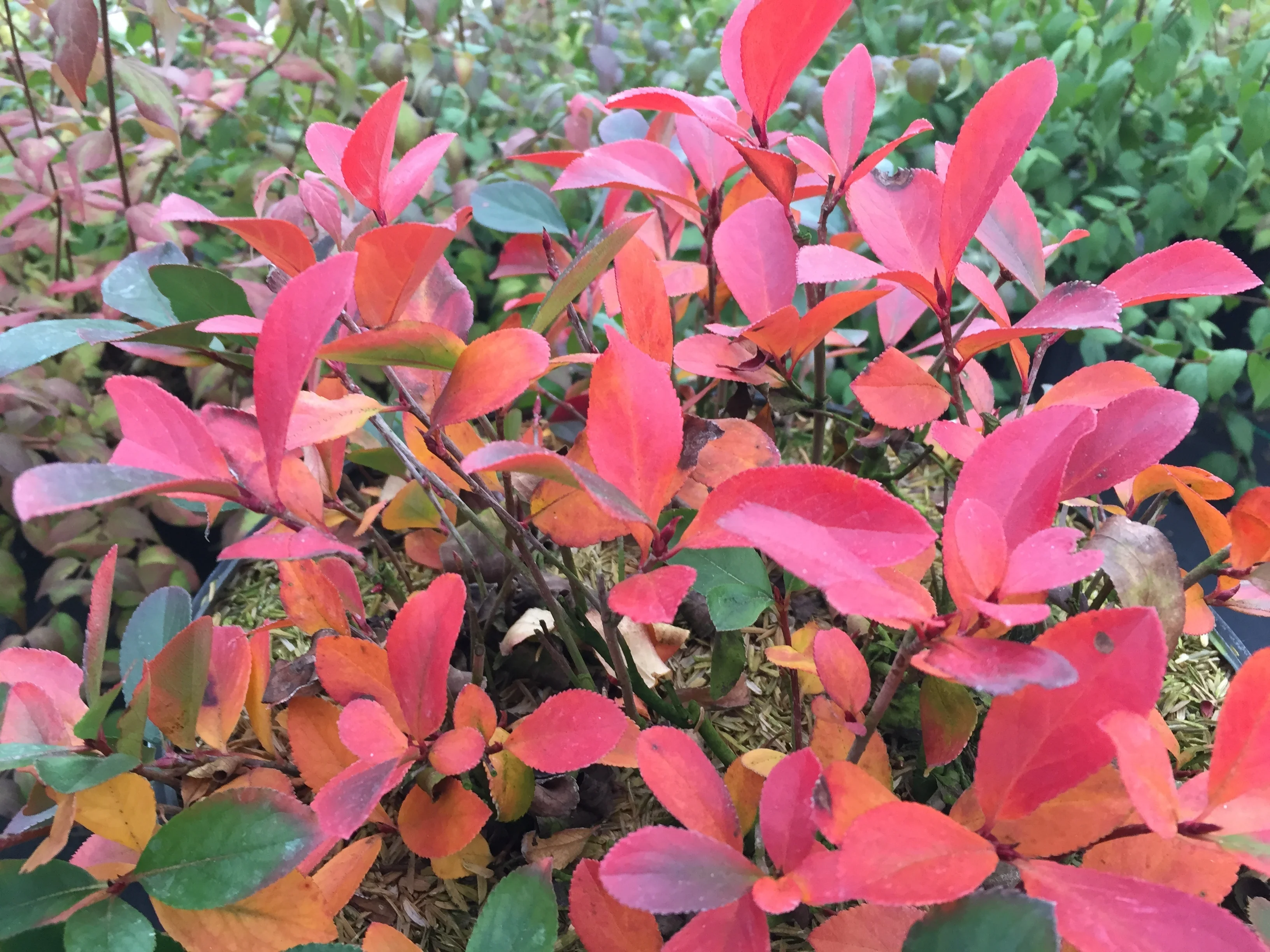
| Description | A tough and adaptable North American native with a profusion of small white flowers in spring, followed by shiny purple-black, showy berries that will persist throughout winter, and brilliant red fall foliage. This low-growing, mounding, deciduous shrub is excellent for use as a groundcover or edging, and tolerates a range of soil and climate conditions. |
|---|---|
| Bloom Time | Mid-spring |
| Deciduous/Evergreen | Deciduous |
| Special Features | Easy Care, Fall Color, Ornamental Berries, Edible, Compact Form, Benefits Birds |
| Problems/Solutions | Deer Resistant, Drought Tolerant, Very Wet Areas |
| Growth Rate | Moderate |
| Flower Attributes | Showy Flowers |
| Patent Act | Asexual reproduction of plants protected by the Plant Patent Act is prohibited during the life of the patent. |
| Landscape Use | Border, Container, Ground Cover, Edging |
| Flower Color | White |
| Foliage Color | Green |
| Foliage Fall Color | Red |
| Companion Plants | Eastern Redbud (Cercis canadensis); Dogwood (Cornus); Elderberry (Sambucus); Serviceberry (Amelanchier); Sweetgum (Liquidambar) |
| Care Instructions | Highly adaptable to a wide range of conditions, including boggy soils. Best berry production in full sun. Water deeply, regularly during first growing season to establish an extensive root system; tolerates dry spells, once established. Blooms on old wood; prune only as needed to shape. Remove suckers to control unwanted spread. |
| Lore | This native shrub is grouped into the rose family. It enjoys an enormous range throughout the eastern United States north into Canada. It's habitat is wet woods and swamps illustrating it's preference for damp conditions. While the astringent fruit is not desirable as fresh fruit, it makes wonderful jams and jellies. |
Details
| Description | A tough and adaptable North American native with a profusion of small white flowers in spring, followed by shiny purple-black, showy berries that will persist throughout winter, and brilliant red fall foliage. This low-growing, mounding, deciduous shrub is excellent for use as a groundcover or edging, and tolerates a range of soil and climate conditions. |
|---|---|
| Bloom Time | Mid-spring |
| Deciduous/Evergreen | Deciduous |
| Special Features | Easy Care, Fall Color, Ornamental Berries, Edible, Compact Form, Benefits Birds |
| Problems/Solutions | Deer Resistant, Drought Tolerant, Very Wet Areas |
| Growth Rate | Moderate |
| Flower Attributes | Showy Flowers |
| Patent Act | Asexual reproduction of plants protected by the Plant Patent Act is prohibited during the life of the patent. |
Style
| Landscape Use | Border, Container, Ground Cover, Edging |
|---|---|
| Flower Color | White |
| Foliage Color | Green |
| Foliage Fall Color | Red |
| Companion Plants | Eastern Redbud (Cercis canadensis); Dogwood (Cornus); Elderberry (Sambucus); Serviceberry (Amelanchier); Sweetgum (Liquidambar) |
Care
| Care Instructions | Highly adaptable to a wide range of conditions, including boggy soils. Best berry production in full sun. Water deeply, regularly during first growing season to establish an extensive root system; tolerates dry spells, once established. Blooms on old wood; prune only as needed to shape. Remove suckers to control unwanted spread. |
|---|
History
| Lore | This native shrub is grouped into the rose family. It enjoys an enormous range throughout the eastern United States north into Canada. It's habitat is wet woods and swamps illustrating it's preference for damp conditions. While the astringent fruit is not desirable as fresh fruit, it makes wonderful jams and jellies. |
|---|
Retailers Near You
About Us
We have been pioneers and craftsmen in the art of growing plants for 100 years. Since our founding in Southern California by Harry E. Rosedale, Sr. in 1926, we have been absolutely dedicated and obsessed with quality.
We have been pioneers and craftsmen in the art of growing plants for nearly 100 years. Since our founding in Southern California by Harry E. Rosedale, Sr. in 1926, we have been absolutely dedicated and obsessed with quality.