
You're growing in this Zip Code:
Change LocationDiscover Plants for Your Area
Majestic Beauty® Southern Magnolia
Magnolia grandiflora 'Monlia'
Pronunciation: mag-NOH-lee-uh gran-dih-FLOR-uh
SKU #05945
LIGHT:
Full sun
WATER:
Once established, water deeply when dry.
SIZE:
Moderate growing; reaches 35 to 40 ft. tall, 15 to 20 ft. wide.

Retailers Near You
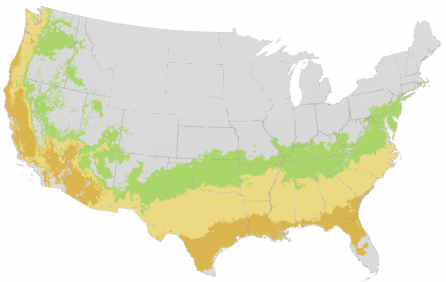

| Description | A magnificent evergreen with extra large, glossy dark green leaves and attractive, creamy white buds that open to huge, showy, cup-shaped, fragrant blooms. The open-branched pyramidal shape helps make this a classic for a shade tree or landscape specimen. |
|---|---|
| Bloom Time | Summer |
| Deciduous/Evergreen | Evergreen |
| Problems/Solutions | Coastal Exposure, Deer Resistant, Rabbit Resistant, Very Wet Areas, Road Salt Tolerant |
| Growth Rate | Moderate |
| Growth Habit | Pyramidal |
| Flower Attributes | Flowers for Cutting, Fragrant, Showy Flowers |
| Patent Act | Asexual reproduction of plants protected by the Plant Patent Act is prohibited during the life of the patent. |
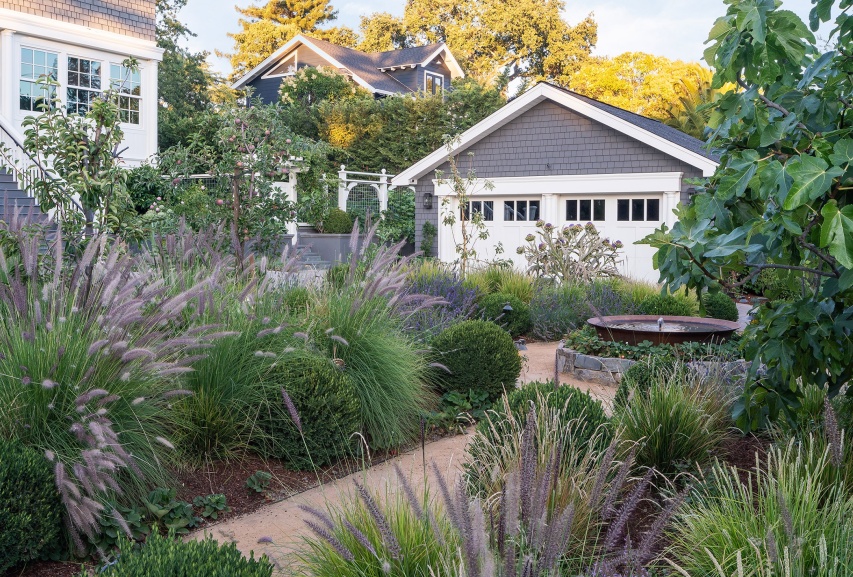
| Design Ideas | This is a fabulous evergreen tree that can be used as a shade tree or specimen. Horizontal spread, more narrow than the species, allows it to fit into smaller gardens. Its foliage is beautiful in indoor arrangements. |
| Flower Color | White |
| Foliage Color | Green |
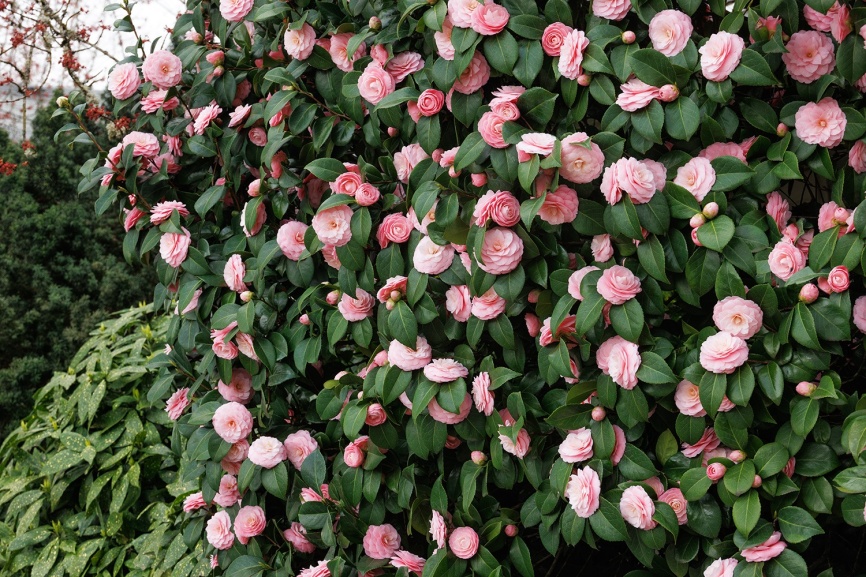
| Companion Plants | Camellia (Camellia); Indian Hawthorn (Rhaphiolepis); Hydrangea (Hydrangea); Viburnum (Viburnum); Aucuba (Aucuba) |
| Care Instructions | Provide deep, nutrient rich, well-drained soil. Water deeply, regularly during first few growing seasons to establish an extensive root system; once established, reduce frequency. Feed with a general purpose fertilizer before new growth begins in spring. |
| History | Magnolia grandiflora is native to North America where it is commonly called bull bay. It's range extends across the south from North Carolina to Texas and south to Florida. It was introduced to Europe in 1734 and later classified by Linnaeus into the genus he named after Pierre Magnol, 1638-1715, a botanist of Montpelier, France. By 1863 a number of garden varieties including lanceolata and the Edgmouth magnolia had been developed but proved too frost tender for their colder winters. This cultivar was developed and introduced by Monrovia in 1963. |
| Lore | Southern magnolia is the state flower of Louisiana and Mississippi. It grows in mixed stands of forest in areas of well drained but evenly moist soils and accessible water table. It is also considered the largest native flower in North America. It's equally generous seed pods feed a wide variety of wildlife. |
Details
| Description | A magnificent evergreen with extra large, glossy dark green leaves and attractive, creamy white buds that open to huge, showy, cup-shaped, fragrant blooms. The open-branched pyramidal shape helps make this a classic for a shade tree or landscape specimen. |
|---|---|
| Bloom Time | Summer |
| Deciduous/Evergreen | Evergreen |
| Problems/Solutions | Coastal Exposure, Deer Resistant, Rabbit Resistant, Very Wet Areas, Road Salt Tolerant |
| Growth Rate | Moderate |
| Growth Habit | Pyramidal |
| Flower Attributes | Flowers for Cutting, Fragrant, Showy Flowers |
| Patent Act | Asexual reproduction of plants protected by the Plant Patent Act is prohibited during the life of the patent. |
Style
| Design Ideas | This is a fabulous evergreen tree that can be used as a shade tree or specimen. Horizontal spread, more narrow than the species, allows it to fit into smaller gardens. Its foliage is beautiful in indoor arrangements. |
|---|---|
| Flower Color | White |
| Foliage Color | Green |
| Companion Plants | Camellia (Camellia); Indian Hawthorn (Rhaphiolepis); Hydrangea (Hydrangea); Viburnum (Viburnum); Aucuba (Aucuba) |
Care
| Care Instructions | Provide deep, nutrient rich, well-drained soil. Water deeply, regularly during first few growing seasons to establish an extensive root system; once established, reduce frequency. Feed with a general purpose fertilizer before new growth begins in spring. |
|---|
History
| History | Magnolia grandiflora is native to North America where it is commonly called bull bay. It's range extends across the south from North Carolina to Texas and south to Florida. It was introduced to Europe in 1734 and later classified by Linnaeus into the genus he named after Pierre Magnol, 1638-1715, a botanist of Montpelier, France. By 1863 a number of garden varieties including lanceolata and the Edgmouth magnolia had been developed but proved too frost tender for their colder winters. This cultivar was developed and introduced by Monrovia in 1963. |
|---|---|
| Lore | Southern magnolia is the state flower of Louisiana and Mississippi. It grows in mixed stands of forest in areas of well drained but evenly moist soils and accessible water table. It is also considered the largest native flower in North America. It's equally generous seed pods feed a wide variety of wildlife. |
Retailers Near You
About Us
We have been pioneers and craftsmen in the art of growing plants for 100 years. Since our founding in Southern California by Harry E. Rosedale, Sr. in 1926, we have been absolutely dedicated and obsessed with quality.
We have been pioneers and craftsmen in the art of growing plants for nearly 100 years. Since our founding in Southern California by Harry E. Rosedale, Sr. in 1926, we have been absolutely dedicated and obsessed with quality.