
You're growing in this Zip Code:
Discover Plants for Your Area
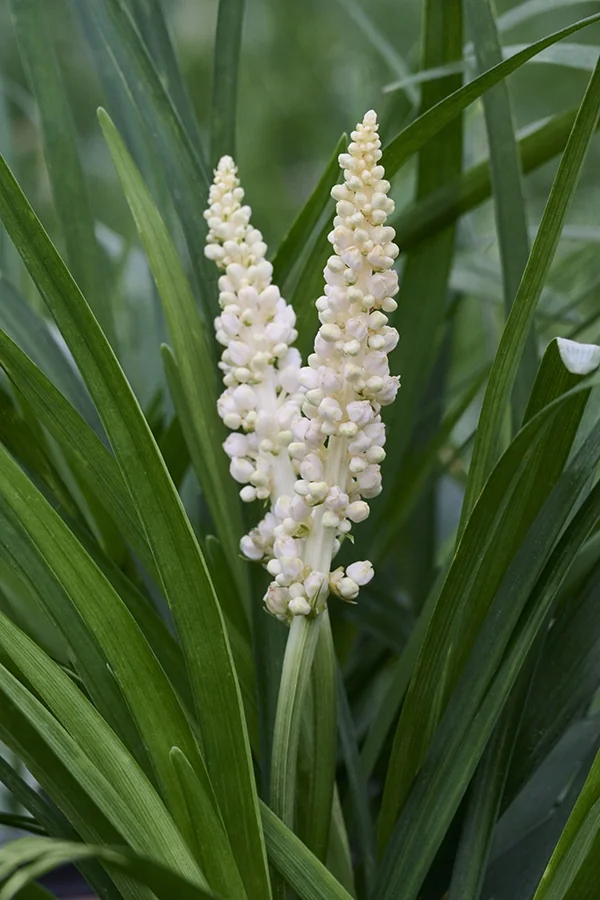
Monroe's White Lilyturf
Liriope muscari 'Monroe's White'
Pronunciation: lir-RYE-oh-pee mus-KAR-ee
SKU #00976
LIGHT:
Partial sun
WATER:
Keep soil moist, but not soggy.
SIZE:
Fast growing; forms clumps 14 to 18 in. tall and wide.

Retailers Near You
Ready to Grow?
Ship Monrovia plants directly to your door. Browse a curated selection available online.
Shop Now >This Plant's Growing Zones: 5-11
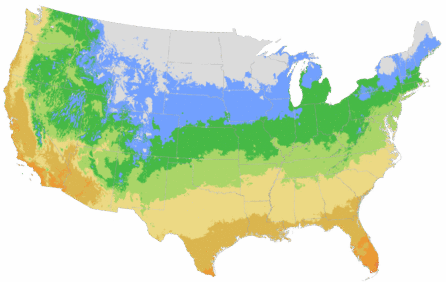
Your USDA Cold Hardiness Zone:
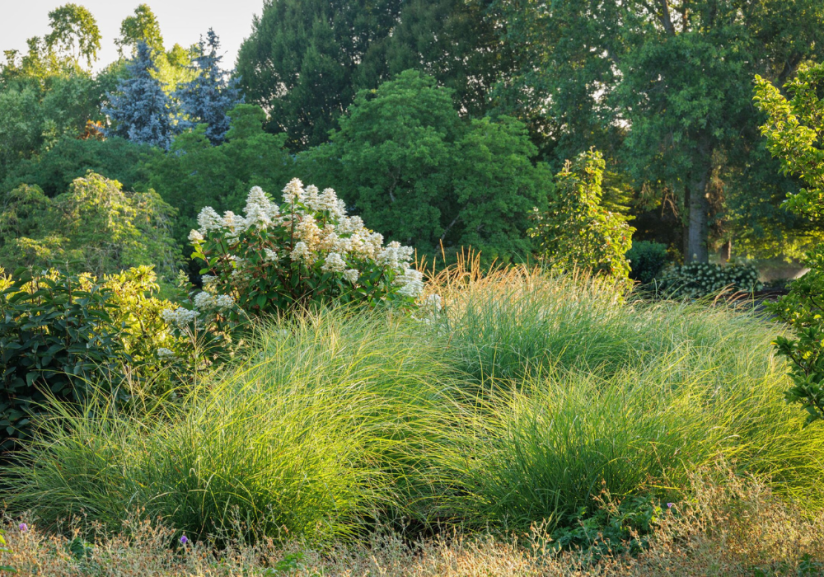
| Description | Large spikes of white flowers stand out against dense clumps of dark, forest green foliage. A popular, durable, deer resistant perennial valued for its use in colonies or masses as a lush, non-spreading groundcover or edging. Nestle between boulders in the Asian garden. Evergreen. |
|---|---|
| Bloom Time | Summer |
| Deciduous/Evergreen | Evergreen |
| Special Features | Easy Care, Ornamental Berries, Waterwise, Non-toxic to Cats and Dogs, Fast Growing, Benefits Birds |
| Problems/Solutions | Coastal Exposure, Deer Resistant, Erosion Control |
| Growth Rate | Fast |
| Growth Habit | Clumping |
| Flower Attributes | Flowers for Cutting, Showy Flowers |
| Landscape Use | Border, Container, Poolside, Ground Cover, Edging |
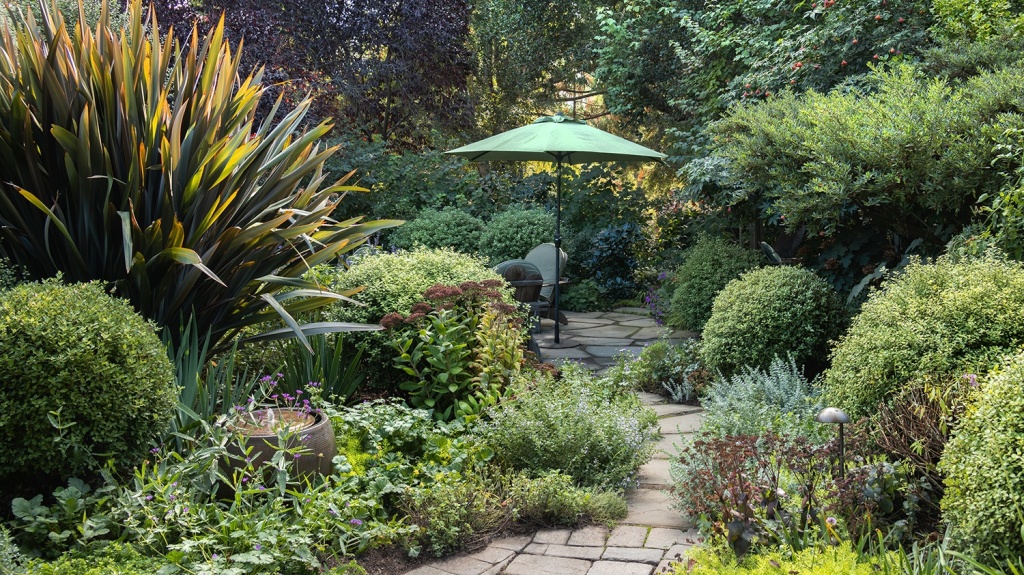
| Design Ideas | Liriopes are exceptional shade garden edging or front of the border line. Plant in masses under shade trees or large old shrubs with bare legs to discourage weeds and cover bare ground. Popular with boulders and along stepping walks in Asian inspired gardens. Equally good in rock waterfall and woodland settings. |
| Flower Color | White |
| Foliage Color | Dark Green |
| Companion Plants | Hosta (Hosta); Coneflower (Echinacea); Daylily (Hemerocallis); Shasta Daisy (Chrysanthemum); Speedwell (Veronica) |
| Care Instructions | Thrives in average, well-drained soils; adaptable to a range of soil types. Water regularly during the first growing season to establish an extensive root system; tolerates mild drought, when established. For a tidy appearance, remove old, faded foliage before new leaves emerge. Divide clumps every 2 to 3 years in early spring. |
| History | This genus was classified in the 18th century by Portuguese Jesuit Loureiro in China. He named the genus after mythological nymph, Liriope. Not until the 20th century did L.H. Bailey assign the species there. Early on Liriopes were grouped with the Ophiopogons and known as maidong in their land of origin. |
| Lore | In ancient China where paper was an expensive commodity, leaves of this plant were used as bookmarks and thus often found growing at educational institutions and libraries. |
Details
| Description | Large spikes of white flowers stand out against dense clumps of dark, forest green foliage. A popular, durable, deer resistant perennial valued for its use in colonies or masses as a lush, non-spreading groundcover or edging. Nestle between boulders in the Asian garden. Evergreen. |
|---|---|
| Bloom Time | Summer |
| Deciduous/Evergreen | Evergreen |
| Special Features | Easy Care, Ornamental Berries, Waterwise, Non-toxic to Cats and Dogs, Fast Growing, Benefits Birds |
| Problems/Solutions | Coastal Exposure, Deer Resistant, Erosion Control |
| Growth Rate | Fast |
| Growth Habit | Clumping |
| Flower Attributes | Flowers for Cutting, Showy Flowers |
Style
| Landscape Use | Border, Container, Poolside, Ground Cover, Edging |
|---|---|
| Design Ideas | Liriopes are exceptional shade garden edging or front of the border line. Plant in masses under shade trees or large old shrubs with bare legs to discourage weeds and cover bare ground. Popular with boulders and along stepping walks in Asian inspired gardens. Equally good in rock waterfall and woodland settings. |
| Flower Color | White |
| Foliage Color | Dark Green |
| Companion Plants | Hosta (Hosta); Coneflower (Echinacea); Daylily (Hemerocallis); Shasta Daisy (Chrysanthemum); Speedwell (Veronica) |
Care
| Care Instructions | Thrives in average, well-drained soils; adaptable to a range of soil types. Water regularly during the first growing season to establish an extensive root system; tolerates mild drought, when established. For a tidy appearance, remove old, faded foliage before new leaves emerge. Divide clumps every 2 to 3 years in early spring. |
|---|
History
| History | This genus was classified in the 18th century by Portuguese Jesuit Loureiro in China. He named the genus after mythological nymph, Liriope. Not until the 20th century did L.H. Bailey assign the species there. Early on Liriopes were grouped with the Ophiopogons and known as maidong in their land of origin. |
|---|---|
| Lore | In ancient China where paper was an expensive commodity, leaves of this plant were used as bookmarks and thus often found growing at educational institutions and libraries. |
Retailers Near You
About Us
We have been pioneers and craftsmen in the art of growing plants for 100 years. Since our founding in Southern California by Harry E. Rosedale, Sr. in 1926, we have been absolutely dedicated and obsessed with quality.
We have been pioneers and craftsmen in the art of growing plants for nearly 100 years. Since our founding in Southern California by Harry E. Rosedale, Sr. in 1926, we have been absolutely dedicated and obsessed with quality.