
You're growing in this Zip Code:
Discover Plants for Your Area
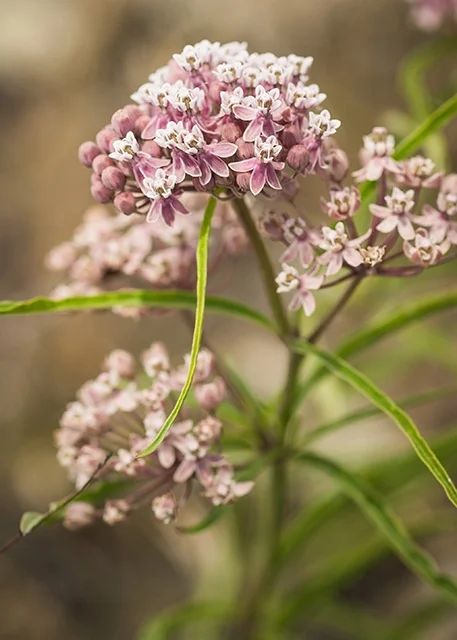
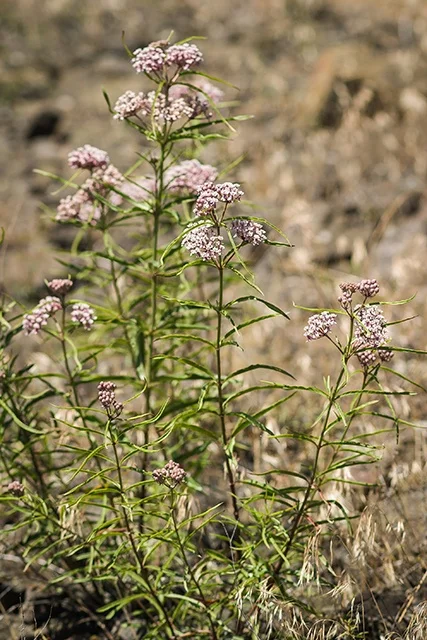
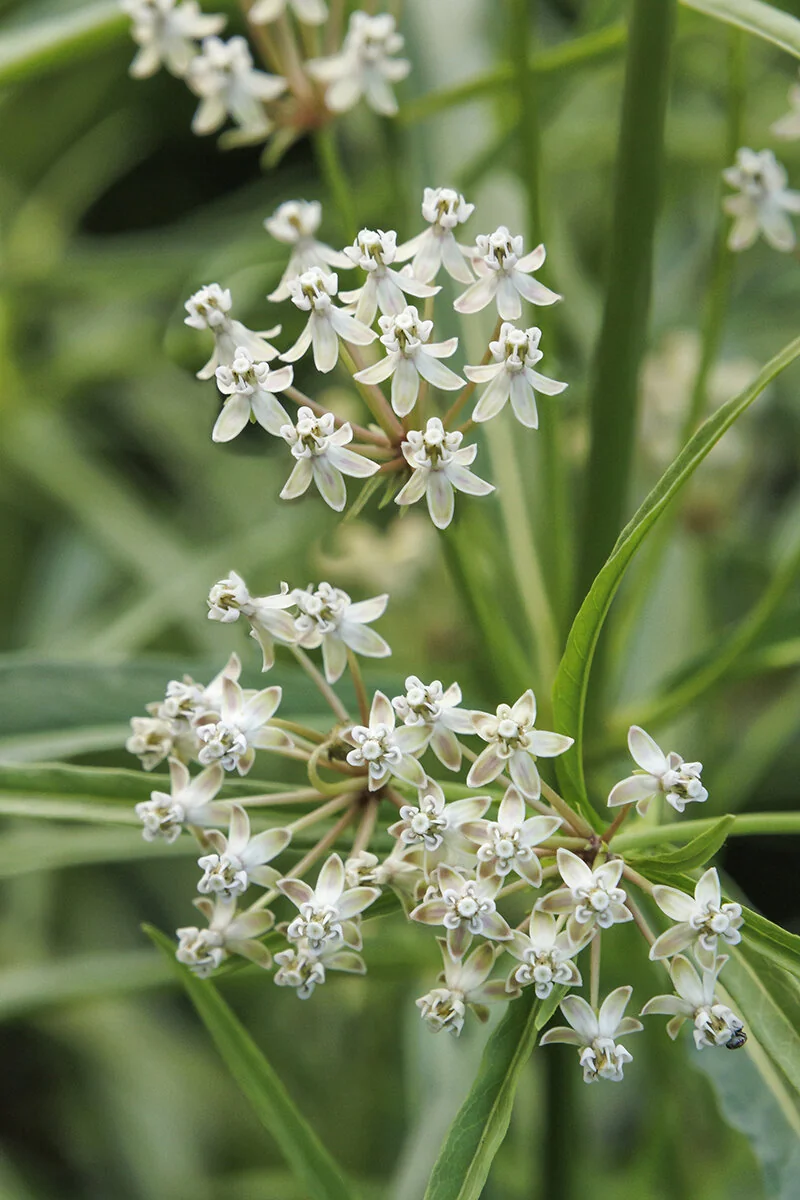
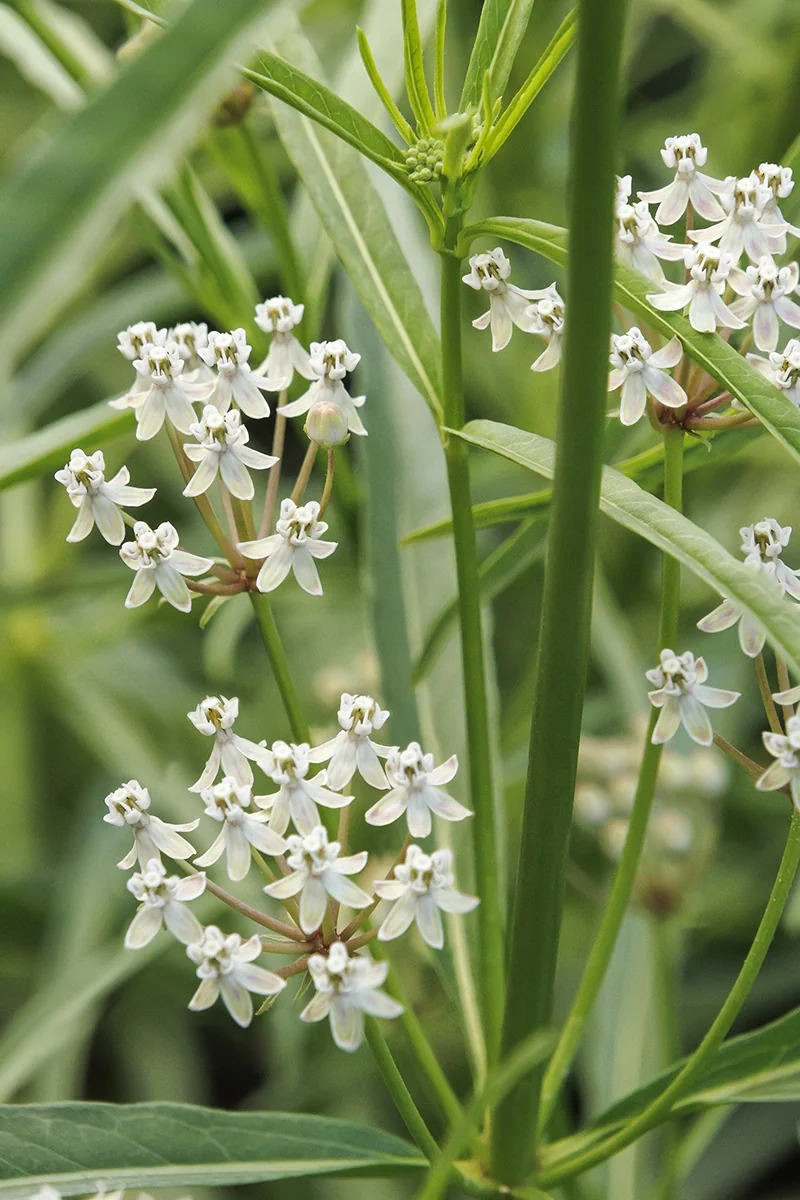
Narrowleaf Milkweed
Asclepias fascicularis
Pronunciation: as-KLE-pee-us fa-sik-yoo-LARE-is
SKU #42789
LIGHT:
Full sun
WATER:
Once established, does not need water.
SIZE:
Quickly reaches 2 ft to 3 ft. tall, 1 ft. wide.

Retailers Near You
Ready to Grow?
Ship Monrovia plants directly to your door. Browse a curated selection available online.
Shop Now >This Plant's Growing Zones: 6-10
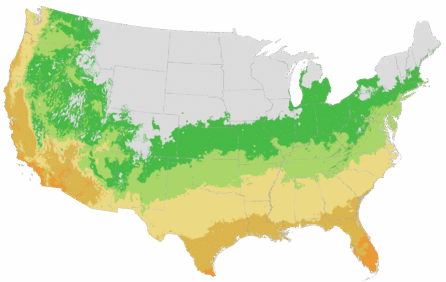
Your USDA Cold Hardiness Zone:
| Description | Native to western North America, this easy care plant is a must-have in a wildlife garden. Clusters of lavender-tinted white flowers bloom above thin stems whorled with long, pointed leaves. Tolerates a variety of soils including sandy, clay, and saline. Ideal for naturalized areas, meadows, and borders. Drought tolerant. An herbaceous perennial. |
|---|---|
| Bloom Time | Summer |
| Deciduous/Evergreen | Herbaceous |
| Special Features | Attracts Butterflies, Easy Care, Waterwise, North American Native, Attracts Pollinators |
| Problems/Solutions | Coastal Exposure, Rabbit Resistant, Drought Tolerant |
| Growth Rate | Fast |
| Growth Habit | Upright |
| Flower Attributes | Fragrant, Showy Flowers |
| Landscape Use | Border |
| Flower Color | White |
| Foliage Color | Green |
| Companion Plants | Yarrow (Achillea); Blue Fescue (Festuca); Tickseed (Coreopsis); Coneflower (Echinacea); Butterfly Bush (Buddleja); Trumpet Vine (Campsis); Bee Balm (Monarda) |
| Care Instructions | Plant in full sun and mulch heavily. Water well the first month to establish. Can tolerate boggy soils in winter and dry periods of drought in summer, as well as salty coastal soils. Remove dried stems in late fall when they can easily break off at the ground, or leave as a nesting material for birds. |
Details
| Description | Native to western North America, this easy care plant is a must-have in a wildlife garden. Clusters of lavender-tinted white flowers bloom above thin stems whorled with long, pointed leaves. Tolerates a variety of soils including sandy, clay, and saline. Ideal for naturalized areas, meadows, and borders. Drought tolerant. An herbaceous perennial. |
|---|---|
| Bloom Time | Summer |
| Deciduous/Evergreen | Herbaceous |
| Special Features | Attracts Butterflies, Easy Care, Waterwise, North American Native, Attracts Pollinators |
| Problems/Solutions | Coastal Exposure, Rabbit Resistant, Drought Tolerant |
| Growth Rate | Fast |
| Growth Habit | Upright |
| Flower Attributes | Fragrant, Showy Flowers |
Style
| Landscape Use | Border |
|---|---|
| Flower Color | White |
| Foliage Color | Green |
| Companion Plants | Yarrow (Achillea); Blue Fescue (Festuca); Tickseed (Coreopsis); Coneflower (Echinacea); Butterfly Bush (Buddleja); Trumpet Vine (Campsis); Bee Balm (Monarda) |
Care
| Care Instructions | Plant in full sun and mulch heavily. Water well the first month to establish. Can tolerate boggy soils in winter and dry periods of drought in summer, as well as salty coastal soils. Remove dried stems in late fall when they can easily break off at the ground, or leave as a nesting material for birds. |
|---|
Retailers Near You
About Us
We have been pioneers and craftsmen in the art of growing plants for 100 years. Since our founding in Southern California by Harry E. Rosedale, Sr. in 1926, we have been absolutely dedicated and obsessed with quality.
We have been pioneers and craftsmen in the art of growing plants for nearly 100 years. Since our founding in Southern California by Harry E. Rosedale, Sr. in 1926, we have been absolutely dedicated and obsessed with quality.