
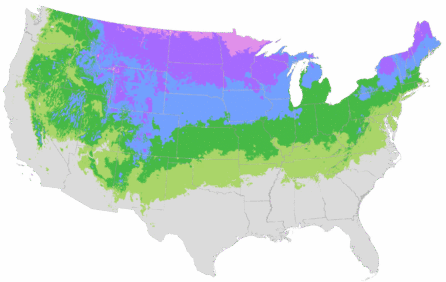
You're growing in this Zip Code:
Change LocationDiscover Plants for Your Area
Northland Midseason Blueberry
Vaccinium corymbosum 'Northland' (Northern Highbush)
Pronunciation: vak-SIN-ee-um kor-rim-BOW-sum
SKU #07340
LIGHT:
Full sun
WATER:
Keep soil moist, but not soggy.
SIZE:
Moderate growing; reaches 6 ft. tall, 5 ft. wide.

Retailers Near You
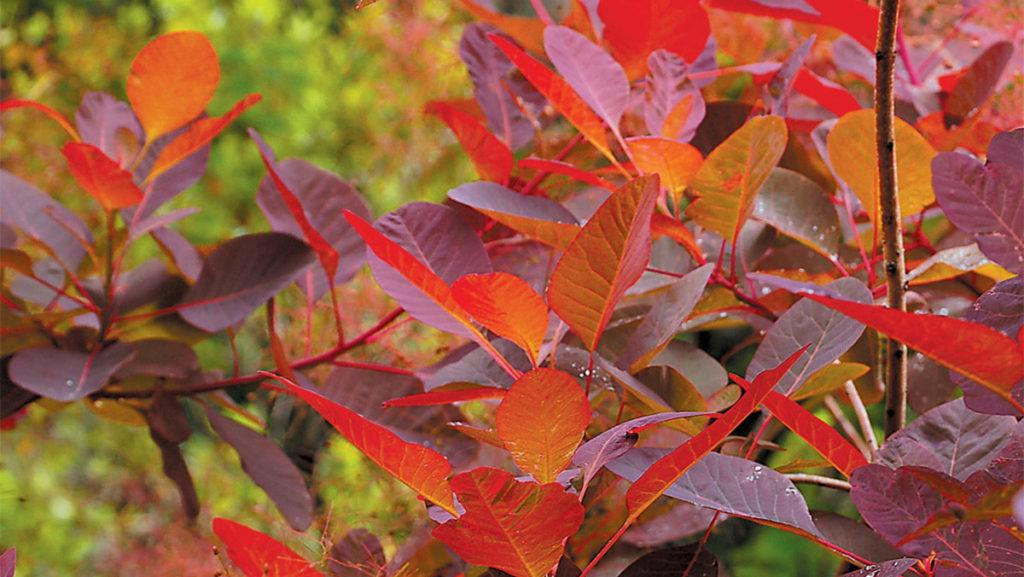
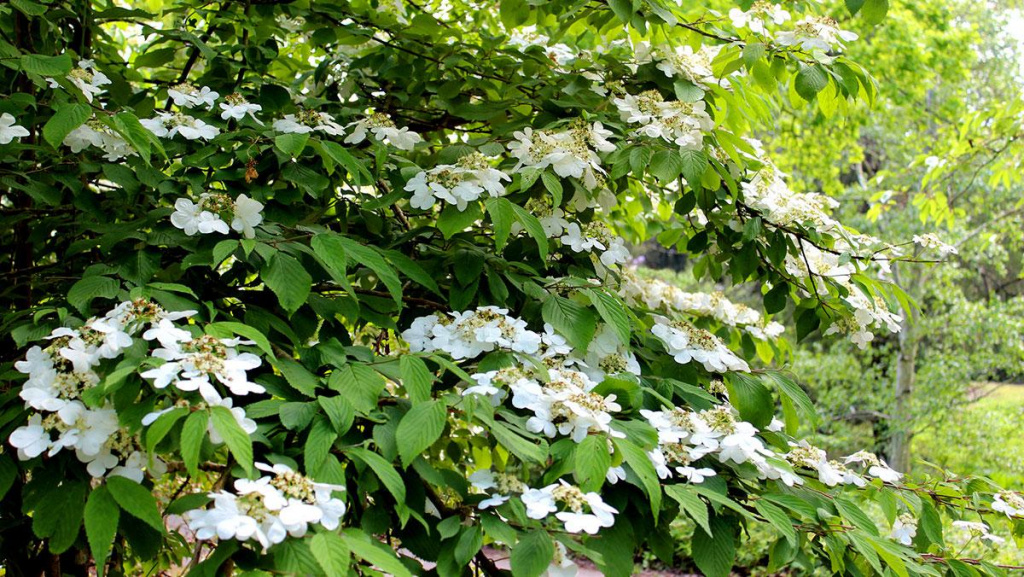

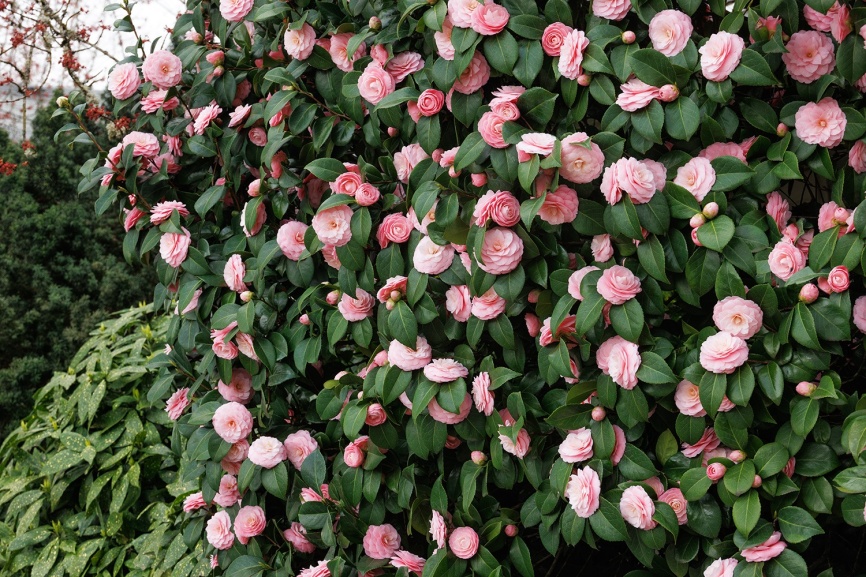
| Description | A midseason crop of delicious blueberries follows the profusion of showy pink-tinged white flowers. More productive than others due to larger size and fruit is best eaten fresh. Yellow, bronze, orange, and red fall color. An excellent hedge or specimen. Recommended chill: 800 - 1000 hours. Deciduous. |
|---|---|
| Bloom Time | Late spring |
| Deciduous/Evergreen | Deciduous |
| Special Features | Fall Color, Showy Fruit, Edible, Benefits Birds |
| Problems/Solutions | Very Wet Areas, Road Salt Tolerant |
| Growth Rate | Moderate |
| Flower Attributes | Showy Flowers |
| Landscape Use | Border, Hedge |
| Design Ideas | Blueberries need not be limited to the confines of a kitchen garden or orchard. Makes an attractive accent in shrub borders as well with great seasonal changes. Ideal against fences and foundations of outbuildings. Well suited to areas around the acidic transitional edges of conifer canopy driplines or openings in natural woodlands. Line them up for a delicious and beautiful hedge for easy picking access. Share fruit with birds by adding to habitat gardens. |
| Flower Color | Pink |
| Foliage Color | Green |
| Foliage Fall Color | Orange |
| Companion Plants | Magnolia (Magnolia); Hydrangea (Hydrangea); Rhododendron (Rhododendron); Strawberry (Fragaria); Raspberry (Rubus); Bayberry (Myrica) |
| Care Instructions | Provide rich, acidic, well-drained soil. Shelter from harsh afternoon sun in very hot, dry climates. Water deeply and regularly during the first growing season to establish an extensive root system. Before new growth begins, prune off twiggy growth, leaving only main stems to prevent overbearing, and feed with an acidic fertilizer. |
| History | The blueberries fit into the acid loving Ericaceae, with a genus that includes 150 species of shrubs, most native to the Northern Hemisphere with concentrations in North America and eastern Asia. This variety is a hybrid of two native species. V. corymbosum is native from Maine to Florida and west to Louisiana. V. angustifolium is strictly a northern plant fround in mountains from the Arctic south to Minnesota and Virgina. |
| Lore | Blueberries are the most popular native American fruit and recent breeding has extended cultivation well beyond their original range. They are among the fruits richest in antioxidants and are eaten fresh, dried, baked and in jams. |
Details
| Description | A midseason crop of delicious blueberries follows the profusion of showy pink-tinged white flowers. More productive than others due to larger size and fruit is best eaten fresh. Yellow, bronze, orange, and red fall color. An excellent hedge or specimen. Recommended chill: 800 - 1000 hours. Deciduous. |
|---|---|
| Bloom Time | Late spring |
| Deciduous/Evergreen | Deciduous |
| Special Features | Fall Color, Showy Fruit, Edible, Benefits Birds |
| Problems/Solutions | Very Wet Areas, Road Salt Tolerant |
| Growth Rate | Moderate |
| Flower Attributes | Showy Flowers |
Style
| Landscape Use | Border, Hedge |
|---|---|
| Design Ideas | Blueberries need not be limited to the confines of a kitchen garden or orchard. Makes an attractive accent in shrub borders as well with great seasonal changes. Ideal against fences and foundations of outbuildings. Well suited to areas around the acidic transitional edges of conifer canopy driplines or openings in natural woodlands. Line them up for a delicious and beautiful hedge for easy picking access. Share fruit with birds by adding to habitat gardens. |
| Flower Color | Pink |
| Foliage Color | Green |
| Foliage Fall Color | Orange |
| Companion Plants | Magnolia (Magnolia); Hydrangea (Hydrangea); Rhododendron (Rhododendron); Strawberry (Fragaria); Raspberry (Rubus); Bayberry (Myrica) |
Care
| Care Instructions | Provide rich, acidic, well-drained soil. Shelter from harsh afternoon sun in very hot, dry climates. Water deeply and regularly during the first growing season to establish an extensive root system. Before new growth begins, prune off twiggy growth, leaving only main stems to prevent overbearing, and feed with an acidic fertilizer. |
|---|
History
| History | The blueberries fit into the acid loving Ericaceae, with a genus that includes 150 species of shrubs, most native to the Northern Hemisphere with concentrations in North America and eastern Asia. This variety is a hybrid of two native species. V. corymbosum is native from Maine to Florida and west to Louisiana. V. angustifolium is strictly a northern plant fround in mountains from the Arctic south to Minnesota and Virgina. |
|---|---|
| Lore | Blueberries are the most popular native American fruit and recent breeding has extended cultivation well beyond their original range. They are among the fruits richest in antioxidants and are eaten fresh, dried, baked and in jams. |
Retailers Near You
About Us
We have been pioneers and craftsmen in the art of growing plants for 100 years. Since our founding in Southern California by Harry E. Rosedale, Sr. in 1926, we have been absolutely dedicated and obsessed with quality.
We have been pioneers and craftsmen in the art of growing plants for nearly 100 years. Since our founding in Southern California by Harry E. Rosedale, Sr. in 1926, we have been absolutely dedicated and obsessed with quality.