
You're growing in this Zip Code:
Discover Plants for Your Area

Nuccio's Carnival Azalea
Azalea x 'Nuccio's Carnival' (Southern Indica)
Pronunciation: uh-ZAY-lee-uh
SKU #00615
LIGHT:
Full sun, Partial sun
WATER:
Keep soil moist but not soggy.
SIZE:
Vigorous grower to 3 ft. tall and wide.

Retailers Near You
Ready to Grow?
Ship Monrovia plants directly to your door. Browse a curated selection available online.
Shop Now >This Plant's Growing Zones: 8-9
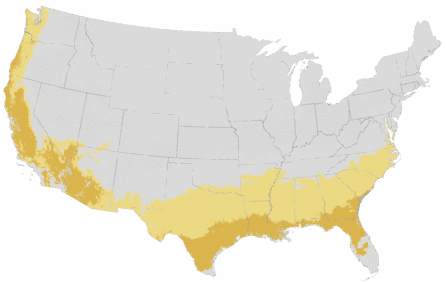
Your USDA Cold Hardiness Zone:
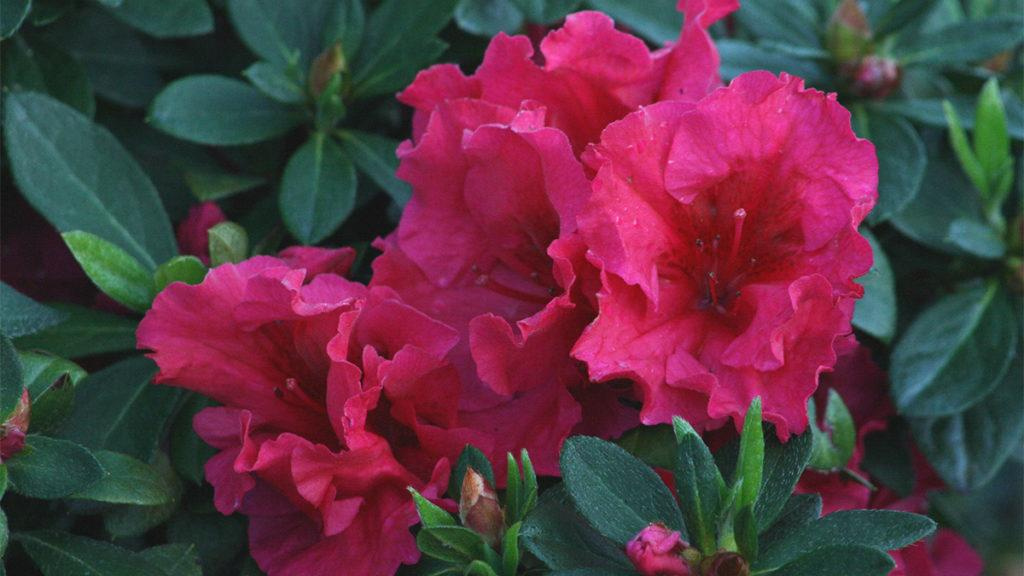
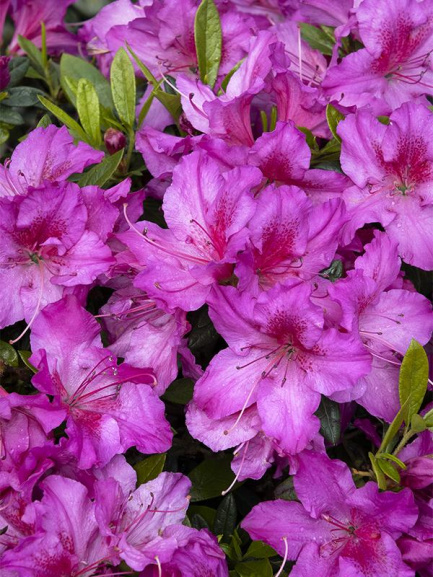
| Description | A profusion of large, single to semi-double rose-red blooms add bright color to the landscape. Flowers are backed by handsome, rich green evergreen foliage. Excellent colorful accent. |
|---|---|
| Bloom Time | Spring |
| Deciduous/Evergreen | Evergreen |
| Special Features | Attracts Pollinators |
| Growth Rate | Fast |
| Growth Habit | Rounded |
| Flower Attributes | Showy Flowers |
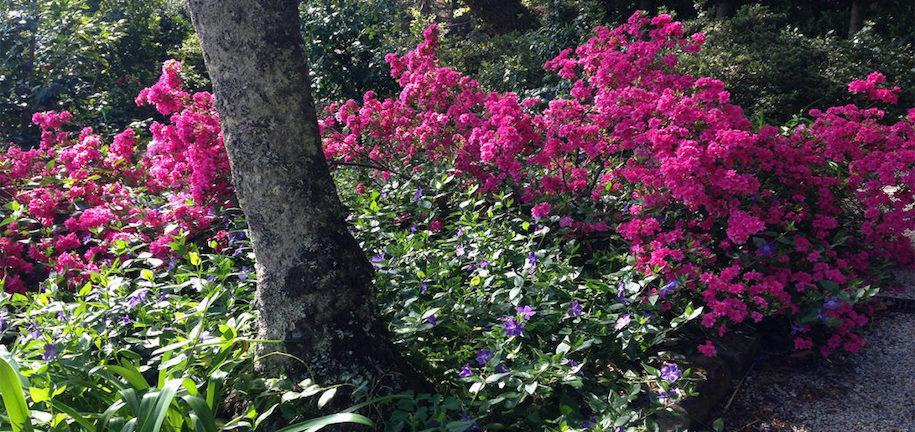
| Landscape Use | Border, Container |
| Design Ideas | Suitable beside a short flight of steps or even under a low window, this three- foot-tall, rose-red Azalea will provide sustained color in a smaller-scale landscape. The bright red color looks particularly handsome against wood and stone facades. |
| Flower Color | Pink |
| Foliage Color | Green |
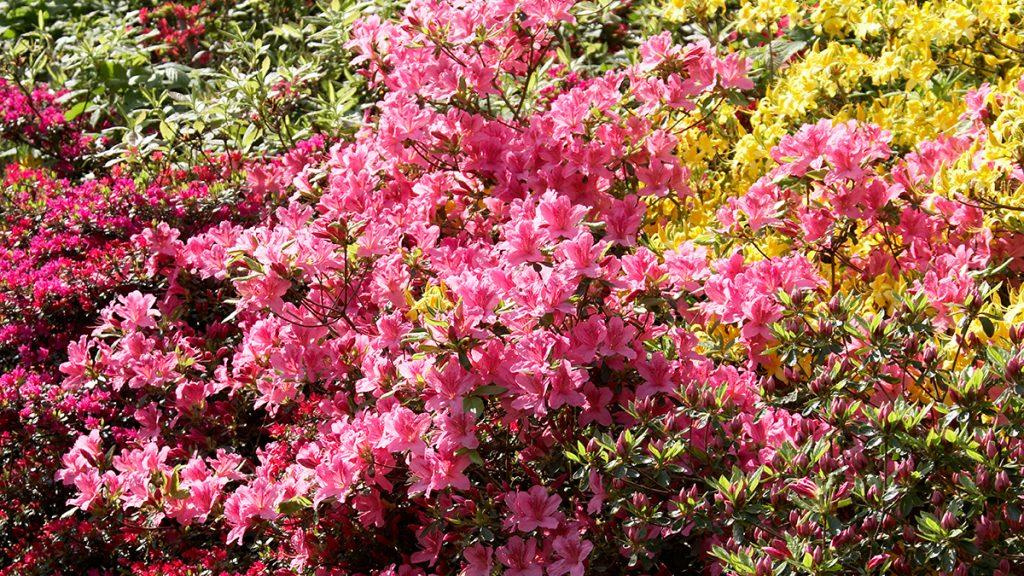
| Companion Plants | Keep the scale small by mixing with a selection of dwarf, acid-loving shrubs, such as the white-flowering Prelude Pieris (Pieris taiwanensis 'Prelude') and Compact Oregon Grape Holly (Mahonia aquifolium 'Compacta'), with its deep-green foliage that turns to purplish-red in winter. |
| Care Instructions | Follow a regular watering schedule during the first growing season to establish a deep, extensive root system. Provide well drained soil, rich in organic matter. Feed with an acid fertilizer after bloom. Keep roots cool with a thick layer of mulch. |
| History | Southern Indica azaleas (Azalea indica) are actually native to Japan and first introduced into Holland in 1680 but failed to catch on there. It reached America in the 18th century and became popular outdoor landscape plants in the warmer parts of the South. Fruitland Nurseries of Georgia was among the first to offer the emerging varieties for sale and extensive breeding both here and in Holland has produced a wide range of forms. This is just one of many superior varieties developed and introduced by Southern California's Nuccio's Nurseries. |
| Lore | Large Southern Indica azaleas distinguish most of the great old gardens of the South including historic plantation homes. |
Details
| Description | A profusion of large, single to semi-double rose-red blooms add bright color to the landscape. Flowers are backed by handsome, rich green evergreen foliage. Excellent colorful accent. |
|---|---|
| Bloom Time | Spring |
| Deciduous/Evergreen | Evergreen |
| Special Features | Attracts Pollinators |
| Growth Rate | Fast |
| Growth Habit | Rounded |
| Flower Attributes | Showy Flowers |
Style
| Landscape Use | Border, Container |
|---|---|
| Design Ideas | Suitable beside a short flight of steps or even under a low window, this three- foot-tall, rose-red Azalea will provide sustained color in a smaller-scale landscape. The bright red color looks particularly handsome against wood and stone facades. |
| Flower Color | Pink |
| Foliage Color | Green |
| Companion Plants | Keep the scale small by mixing with a selection of dwarf, acid-loving shrubs, such as the white-flowering Prelude Pieris (Pieris taiwanensis 'Prelude') and Compact Oregon Grape Holly (Mahonia aquifolium 'Compacta'), with its deep-green foliage that turns to purplish-red in winter. |
Care
| Care Instructions | Follow a regular watering schedule during the first growing season to establish a deep, extensive root system. Provide well drained soil, rich in organic matter. Feed with an acid fertilizer after bloom. Keep roots cool with a thick layer of mulch. |
|---|
History
| History | Southern Indica azaleas (Azalea indica) are actually native to Japan and first introduced into Holland in 1680 but failed to catch on there. It reached America in the 18th century and became popular outdoor landscape plants in the warmer parts of the South. Fruitland Nurseries of Georgia was among the first to offer the emerging varieties for sale and extensive breeding both here and in Holland has produced a wide range of forms. This is just one of many superior varieties developed and introduced by Southern California's Nuccio's Nurseries. |
|---|---|
| Lore | Large Southern Indica azaleas distinguish most of the great old gardens of the South including historic plantation homes. |
Retailers Near You
About Us
We have been pioneers and craftsmen in the art of growing plants for 100 years. Since our founding in Southern California by Harry E. Rosedale, Sr. in 1926, we have been absolutely dedicated and obsessed with quality.
We have been pioneers and craftsmen in the art of growing plants for nearly 100 years. Since our founding in Southern California by Harry E. Rosedale, Sr. in 1926, we have been absolutely dedicated and obsessed with quality.