
You're growing in this Zip Code:
Discover Plants for Your Area
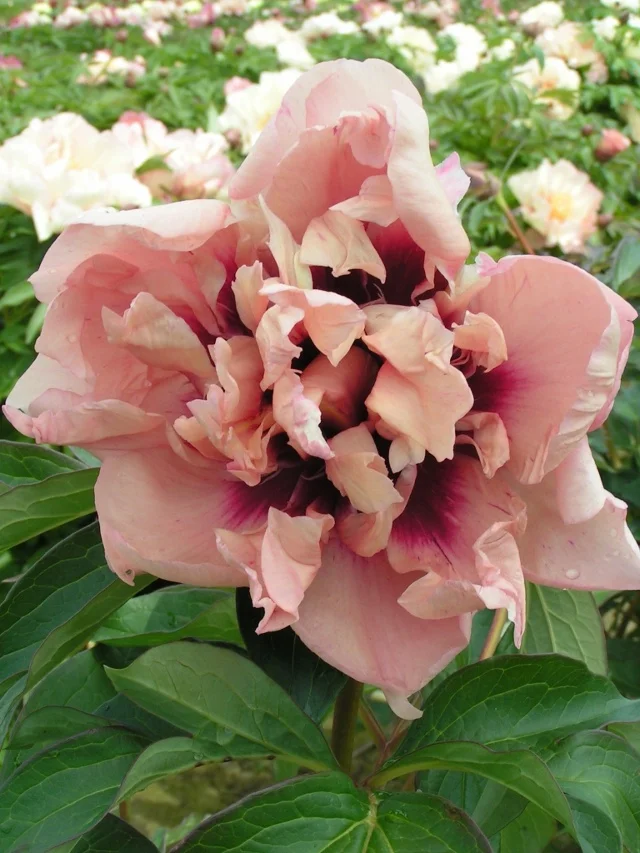
Oochigeas Itoh Peony
Paeonia (Intersectional hybrid) x 'Oochigeas'
Pronunciation: pay-OHN-ee-uh
SKU #41669
LIGHT:
Full sun, Partial sun
WATER:
Keep soil moist, but not soggy.
SIZE:
Quickly reaches 2½ ft. tall, 3 ft. wide.

Retailers Near You
Ready to Grow?
Ship Monrovia plants directly to your door. Browse a curated selection available online.
Shop Now >This Plant's Growing Zones: 4-9
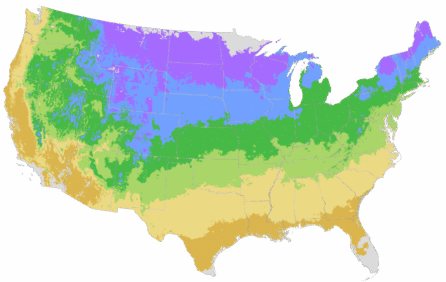
Your USDA Cold Hardiness Zone:
| Description | The exquisite double blooms of this prized Itoh peony are a beautiful fusion of creamy apricot-pink petals uniquely painted with purple flares that mellow into lighter shades. Vigorous, lush, dark green foliage supports sturdy stems that require no staking. The cut flowers add pure romance to any spring bouquet. An herbaceous perennial. |
|---|---|
| Bloom Time | Late spring to early summer |
| Deciduous/Evergreen | Herbaceous |
| Special Features | Easy Care, Fast Growing |
| Problems/Solutions | Deer Resistant, Tolerates Urban Pollution |
| Growth Rate | Fast |
| Flower Attributes | Flowers for Cutting, Showy Flowers |
| Landscape Use | Border, Container |
| Design Ideas | Itoh peonies are among the most coveted perennials of the border. Aside from the exquisite blooms on strong stems that remain upright even after a heavy rain, their lush, vigorous foliage holds through summer, making them outstanding in foundation planting and beds close to outdoor living spaces. They can also blend naturally into more casual settings creating focal points and bold color in season. A gorgeous plant for flower-filled lawn islands and in high profile front yard locations. Cut peonies are the epitome of romance. When cutting for arrangements, leave at least three leaves on the stem. For longest vase life, cut stems in the morning, choosing buds that have a marshmallow texture with the petal color just peeping through. |
| Flower Color | Pink |
| Foliage Color | Dark Green |
| Companion Plants | Hydrangea (Hydrangea); Mock Orange (Philadelphus); Coneflower (Echinacea); Phlox (Phlox); Bellflower (Campanula) |
| Care Instructions | Provide enriched, slightly acidic, well-drained, moist soil. Plant with crown slightly below soil level. Water deeply, regularly in first growing season to establish an extensive root system; reduce frequency once established. Apply an annual side dressing of organic compost. Remove spent blooms. Prune back foliage in the fall. |
| History | First hybridized by Toichi Itoh in 1948, The Itoh Peonies are a cross between woody tree peonies (Paeonia suffruticosa or P. suffruticosa x P. lutea or P. delavayi), and herbaceous peonies (P. lactiflora). These exceptional intersectional hybrids offer the best of both parents: Enormous flowers and foliage like that of a tree peony, with a prolific blooming habit, vigorous growth and stronger stems that hold up the large blooms without staking. Featuring a lush, substantial form during the growing season, the stems die back in the fall and must be cut back just as with the herbaceous peonies. |
| Lore | The name of this beautiful peony pays homage to Oochigeas, a legendary Native American figure; the heroine of a 19th-century fairy tale affiliated with the Mi'kmaq, Maliseet, Passamaquoddy and Abenaki tribes, described as a fusion between the French Cinderella story and ancient Wabanaki folk tales. |
Details
| Description | The exquisite double blooms of this prized Itoh peony are a beautiful fusion of creamy apricot-pink petals uniquely painted with purple flares that mellow into lighter shades. Vigorous, lush, dark green foliage supports sturdy stems that require no staking. The cut flowers add pure romance to any spring bouquet. An herbaceous perennial. |
|---|---|
| Bloom Time | Late spring to early summer |
| Deciduous/Evergreen | Herbaceous |
| Special Features | Easy Care, Fast Growing |
| Problems/Solutions | Deer Resistant, Tolerates Urban Pollution |
| Growth Rate | Fast |
| Flower Attributes | Flowers for Cutting, Showy Flowers |
Style
| Landscape Use | Border, Container |
|---|---|
| Design Ideas | Itoh peonies are among the most coveted perennials of the border. Aside from the exquisite blooms on strong stems that remain upright even after a heavy rain, their lush, vigorous foliage holds through summer, making them outstanding in foundation planting and beds close to outdoor living spaces. They can also blend naturally into more casual settings creating focal points and bold color in season. A gorgeous plant for flower-filled lawn islands and in high profile front yard locations. Cut peonies are the epitome of romance. When cutting for arrangements, leave at least three leaves on the stem. For longest vase life, cut stems in the morning, choosing buds that have a marshmallow texture with the petal color just peeping through. |
| Flower Color | Pink |
| Foliage Color | Dark Green |
| Companion Plants | Hydrangea (Hydrangea); Mock Orange (Philadelphus); Coneflower (Echinacea); Phlox (Phlox); Bellflower (Campanula) |
Care
| Care Instructions | Provide enriched, slightly acidic, well-drained, moist soil. Plant with crown slightly below soil level. Water deeply, regularly in first growing season to establish an extensive root system; reduce frequency once established. Apply an annual side dressing of organic compost. Remove spent blooms. Prune back foliage in the fall. |
|---|
History
| History | First hybridized by Toichi Itoh in 1948, The Itoh Peonies are a cross between woody tree peonies (Paeonia suffruticosa or P. suffruticosa x P. lutea or P. delavayi), and herbaceous peonies (P. lactiflora). These exceptional intersectional hybrids offer the best of both parents: Enormous flowers and foliage like that of a tree peony, with a prolific blooming habit, vigorous growth and stronger stems that hold up the large blooms without staking. Featuring a lush, substantial form during the growing season, the stems die back in the fall and must be cut back just as with the herbaceous peonies. |
|---|---|
| Lore | The name of this beautiful peony pays homage to Oochigeas, a legendary Native American figure; the heroine of a 19th-century fairy tale affiliated with the Mi'kmaq, Maliseet, Passamaquoddy and Abenaki tribes, described as a fusion between the French Cinderella story and ancient Wabanaki folk tales. |
Retailers Near You
About Us
We have been pioneers and craftsmen in the art of growing plants for 100 years. Since our founding in Southern California by Harry E. Rosedale, Sr. in 1926, we have been absolutely dedicated and obsessed with quality.
We have been pioneers and craftsmen in the art of growing plants for nearly 100 years. Since our founding in Southern California by Harry E. Rosedale, Sr. in 1926, we have been absolutely dedicated and obsessed with quality.