
You're growing in this Zip Code:
Change LocationDiscover Plants for Your Area
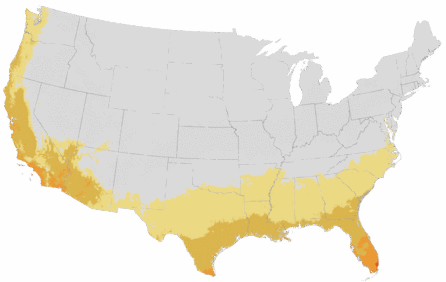
Ovens Wattle
Acacia pravissima
Pronunciation: a-KAY-see-uh prav-ISS-ee-muh
SKU #04975
LIGHT:
Full sun, Partial sun
WATER:
Once established water deeply occasionally.
SIZE:
Quickly reaches 12 to 20 ft. tall and wide.

Retailers Near You

| Description | A fast growing, low-branching, small evergreen tree from Australia with superb blue-green foliage displayed on a graceful, slightly weeping form. A flurry of soft yellow, honey-scented flowers covers the plant in late winter. Thrives in coastal conditions and quite drought tolerant when established. |
|---|---|
| Bloom Time | Late winter to early spring |
| Deciduous/Evergreen | Evergreen |
| Special Features | Easy Care, Waterwise, Fast Growing |
| Problems/Solutions | Coastal Exposure, Deer Resistant, Drought Tolerant |
| Growth Rate | Fast |
| Flower Attributes | Flowers for Cutting, Fragrant, Showy Flowers |
| Landscape Use | Barrier, Hedge, Privacy Screen |
| Design Ideas | An exceptional plant for creating a large informal background or hedge, it's pendulous branching will provide wonderful texture. Spot into the landscape where a brilliant display of yellow will be welcome in late winter, when color is lacking in many landscapes. In our out of bloom, the foliage is prized for floral arrangements. |
| Flower Color | Yellow |
| Foliage Color | Blue-green |
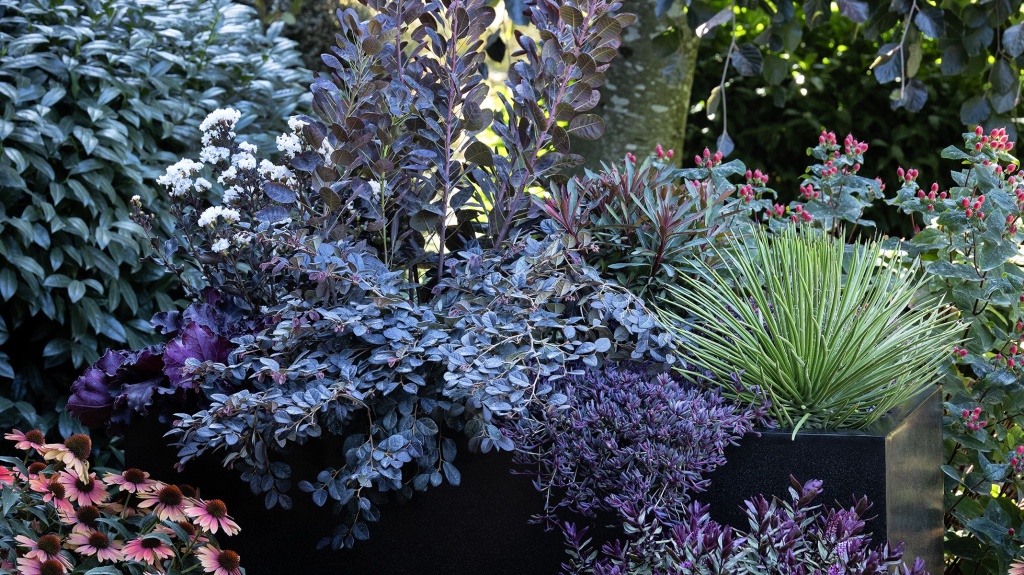
| Companion Plants | Dwarf Eucalyptus (Eucalyptus); Bottlebrush (Callistemon); California Lilac (Ceanothus); Euryops (Euryops); Cordyline (Cordyline) |
| Care Instructions | Very adaptable but prefers a well-drained, neutral or acidic soil. Water deeply and regularly during the first growing season to establish an extensive root system; once established, reduce frequency. Feed with a general purpose fertilizer before new growth begins in spring. |
| History | Acacia pravissima is native to Victoria, the South West Slopes and Southern Tablelands of New South Wales, Australia. Commonly known as Ovens Wattle or Wedge leaved Wattle, it was first described in 1882 by Ferdinand Jacob Heinrich von Mueller. Recipient of RHS Award of Garden Merit, 2002. |
| Lore | The name Acacia comes from the Greek akis 'pointed object', referring to the thorny nature of a number of plants within this genus. Pravissima is derived from the Latin pravus 'crooked' or 'misshapen', in reference to the shape of the phyllodes which are the broadened leaf-like petioles that function like leaf blades. |
Details
| Description | A fast growing, low-branching, small evergreen tree from Australia with superb blue-green foliage displayed on a graceful, slightly weeping form. A flurry of soft yellow, honey-scented flowers covers the plant in late winter. Thrives in coastal conditions and quite drought tolerant when established. |
|---|---|
| Bloom Time | Late winter to early spring |
| Deciduous/Evergreen | Evergreen |
| Special Features | Easy Care, Waterwise, Fast Growing |
| Problems/Solutions | Coastal Exposure, Deer Resistant, Drought Tolerant |
| Growth Rate | Fast |
| Flower Attributes | Flowers for Cutting, Fragrant, Showy Flowers |
Style
| Landscape Use | Barrier, Hedge, Privacy Screen |
|---|---|
| Design Ideas | An exceptional plant for creating a large informal background or hedge, it's pendulous branching will provide wonderful texture. Spot into the landscape where a brilliant display of yellow will be welcome in late winter, when color is lacking in many landscapes. In our out of bloom, the foliage is prized for floral arrangements. |
| Flower Color | Yellow |
| Foliage Color | Blue-green |
| Companion Plants | Dwarf Eucalyptus (Eucalyptus); Bottlebrush (Callistemon); California Lilac (Ceanothus); Euryops (Euryops); Cordyline (Cordyline) |
Care
| Care Instructions | Very adaptable but prefers a well-drained, neutral or acidic soil. Water deeply and regularly during the first growing season to establish an extensive root system; once established, reduce frequency. Feed with a general purpose fertilizer before new growth begins in spring. |
|---|
History
| History | Acacia pravissima is native to Victoria, the South West Slopes and Southern Tablelands of New South Wales, Australia. Commonly known as Ovens Wattle or Wedge leaved Wattle, it was first described in 1882 by Ferdinand Jacob Heinrich von Mueller. Recipient of RHS Award of Garden Merit, 2002. |
|---|---|
| Lore | The name Acacia comes from the Greek akis 'pointed object', referring to the thorny nature of a number of plants within this genus. Pravissima is derived from the Latin pravus 'crooked' or 'misshapen', in reference to the shape of the phyllodes which are the broadened leaf-like petioles that function like leaf blades. |
Retailers Near You
About Us
We have been pioneers and craftsmen in the art of growing plants for 100 years. Since our founding in Southern California by Harry E. Rosedale, Sr. in 1926, we have been absolutely dedicated and obsessed with quality.
We have been pioneers and craftsmen in the art of growing plants for nearly 100 years. Since our founding in Southern California by Harry E. Rosedale, Sr. in 1926, we have been absolutely dedicated and obsessed with quality.