
You're growing in this Zip Code:
Change LocationDiscover Plants for Your Area
Peter's Honey Fig
Ficus carica 'Peter's Honey'
Pronunciation: FYE-kus KAH-ri-ka
SKU #03674
LIGHT:
Full sun
WATER:
Water deeply when soil is dry.
SIZE:
Moderate growing; reaches 15 to 25 ft. tall and wide.

Retailers Near You
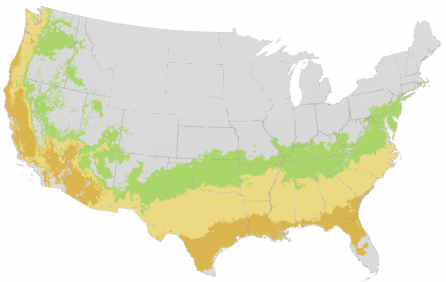
| Description | An attractive garden tree with an interesting winter appearance. Produces especially delicious, sweet, soft-skinned, yellow-green fruit each summer. Needs sun and plenty of heat to ripen fruit. Figs are often root-hardy and prolific in zones 5 and 6 if sheltered or planted against a south-facing wall. |
|---|---|
| Bloom Time | Inconspicuous; prized for fruit and foliage. |
| Deciduous/Evergreen | Deciduous |
| Special Features | Easy Care, Edible, Benefits Birds |
| Problems/Solutions | Coastal Exposure, Deer Resistant |
| Growth Rate | Moderate |
| Growth Habit | Spreading |
| Landscape Use | Container, Espalier |
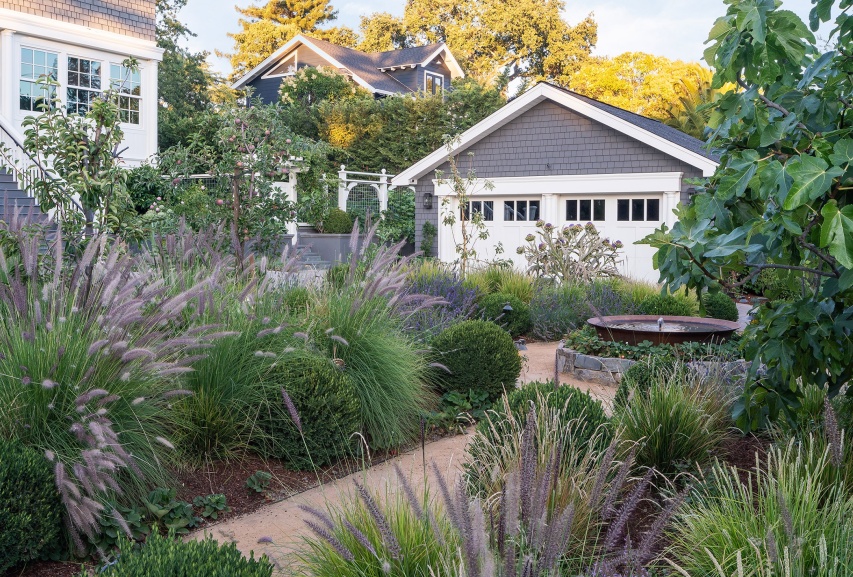
| Design Ideas | This Fig can serve as both an ornamental and a fruit tree. Plant away from hardscapes where fallen fruit can stain. Use as a single specimen or as a cloak for fence lines or to screen out undesirable views. |
| Foliage Color | Green |
| Companion Plants | Rosemary (Rosmarinus); Lavender (Lavandula); Grape (Vitis); Raspberry (Rubus); Olive (Olea) |
| Care Instructions | Prefers enriched, well-drained soil. Water deeply, regularly in first growing season to establish root system; reduce frequency, once established. Requires less water in fall and winter, more in growing season. Shelter in colder zones; may die back and re-sprout from roots in spring. Apply fertilizer in spring. Prune lightly in late winter. |
| History | The edible fig, F. carica is believed native to western Asia but widely distributed throughout the Mediterranean in ancient times. Figs reached America with the Spanish in 1769 and were widely cultivated throughout the California mission chain by the Franciscans. These trees would become the 'Mission' fig which gave birth to this crop in modern American agriculture. |
| Lore | The earliest evidence of fig cultivation dates to 5000 BC. By the time of the Roman Empire, 29 varieties were known to be in cultivation. |
Details
| Description | An attractive garden tree with an interesting winter appearance. Produces especially delicious, sweet, soft-skinned, yellow-green fruit each summer. Needs sun and plenty of heat to ripen fruit. Figs are often root-hardy and prolific in zones 5 and 6 if sheltered or planted against a south-facing wall. |
|---|---|
| Bloom Time | Inconspicuous; prized for fruit and foliage. |
| Deciduous/Evergreen | Deciduous |
| Special Features | Easy Care, Edible, Benefits Birds |
| Problems/Solutions | Coastal Exposure, Deer Resistant |
| Growth Rate | Moderate |
| Growth Habit | Spreading |
Style
| Landscape Use | Container, Espalier |
|---|---|
| Design Ideas | This Fig can serve as both an ornamental and a fruit tree. Plant away from hardscapes where fallen fruit can stain. Use as a single specimen or as a cloak for fence lines or to screen out undesirable views. |
| Foliage Color | Green |
| Companion Plants | Rosemary (Rosmarinus); Lavender (Lavandula); Grape (Vitis); Raspberry (Rubus); Olive (Olea) |
Care
| Care Instructions | Prefers enriched, well-drained soil. Water deeply, regularly in first growing season to establish root system; reduce frequency, once established. Requires less water in fall and winter, more in growing season. Shelter in colder zones; may die back and re-sprout from roots in spring. Apply fertilizer in spring. Prune lightly in late winter. |
|---|
History
| History | The edible fig, F. carica is believed native to western Asia but widely distributed throughout the Mediterranean in ancient times. Figs reached America with the Spanish in 1769 and were widely cultivated throughout the California mission chain by the Franciscans. These trees would become the 'Mission' fig which gave birth to this crop in modern American agriculture. |
|---|---|
| Lore | The earliest evidence of fig cultivation dates to 5000 BC. By the time of the Roman Empire, 29 varieties were known to be in cultivation. |
Retailers Near You
About Us
We have been pioneers and craftsmen in the art of growing plants for 100 years. Since our founding in Southern California by Harry E. Rosedale, Sr. in 1926, we have been absolutely dedicated and obsessed with quality.
We have been pioneers and craftsmen in the art of growing plants for nearly 100 years. Since our founding in Southern California by Harry E. Rosedale, Sr. in 1926, we have been absolutely dedicated and obsessed with quality.