
You're growing in this Zip Code:
Discover Plants for Your Area


Pink Japanese Dogwood
Cornus kousa 'Satomi'
Pronunciation: KOR-nus KOO-sa
SKU #02779
LIGHT:
Full sun
WATER:
Water when top 2 inches of soil is dry.
SIZE:
Moderate grower to 20 ft. high, 15 ft. wide.

Retailers Near You
Ready to Grow?
Ship Monrovia plants directly to your door. Browse a curated selection available online.
Shop Now >This Plant's Growing Zones: 5-8
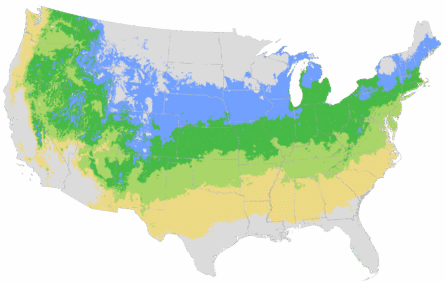
Your USDA Cold Hardiness Zone:
| Description | Attractive horizontal tiers of branches help make this small deciduous tree popular. Splendid pink to red bracts followed in fall by hanging red fruit. Autumn leaves have red-scarlet tints. |
|---|---|
| Bloom Time | Summer |
| Deciduous/Evergreen | Deciduous |
| Special Features | Fall Color, Showy Fruit, Benefits Birds |
| Growth Rate | Moderate |
| Flower Attributes | Showy Flowers |
| Design Ideas | The spring pink-red bracts and fall red fruit make this a showy part of any garden. Plant in a sunny corner with low companions in front, or place in a center bed where it can be enjoyed from all sides. A good selection for a small garden, but it needs room to spread. |
| Flower Color | Pink |
| Foliage Color | Green |
| Foliage Fall Color | Red |
| Companion Plants | Oakleaf Hydrangea (Hydrangea); Azalea (Azalea); Fothergilla (Fothergilla); Oregon Grape Holly (Mahonia); Holly (Ilex) |
| Care Instructions | Follow a regular watering schedule during the first growing season to establish a deep, extensive root system. Watering can be reduced after establishment. Feed with a general purpose fertilizer before new growth begins in spring. |
| History | This Asian dogwood is native to the islands of Japan as well as Korea. It was first seen and described by von Siebold of the Dutch East India Company. Plants were not introduced into the west until 1875. This cultivar is a late 20th century development to promote strong pink hue than the species. |
| Lore | The "flowers" of dogwoods are actually bracts or modified leaves to draw pollinators to the insignificant flowers. |
Details
| Description | Attractive horizontal tiers of branches help make this small deciduous tree popular. Splendid pink to red bracts followed in fall by hanging red fruit. Autumn leaves have red-scarlet tints. |
|---|---|
| Bloom Time | Summer |
| Deciduous/Evergreen | Deciduous |
| Special Features | Fall Color, Showy Fruit, Benefits Birds |
| Growth Rate | Moderate |
| Flower Attributes | Showy Flowers |
Style
| Design Ideas | The spring pink-red bracts and fall red fruit make this a showy part of any garden. Plant in a sunny corner with low companions in front, or place in a center bed where it can be enjoyed from all sides. A good selection for a small garden, but it needs room to spread. |
|---|---|
| Flower Color | Pink |
| Foliage Color | Green |
| Foliage Fall Color | Red |
| Companion Plants | Oakleaf Hydrangea (Hydrangea); Azalea (Azalea); Fothergilla (Fothergilla); Oregon Grape Holly (Mahonia); Holly (Ilex) |
Care
| Care Instructions | Follow a regular watering schedule during the first growing season to establish a deep, extensive root system. Watering can be reduced after establishment. Feed with a general purpose fertilizer before new growth begins in spring. |
|---|
History
| History | This Asian dogwood is native to the islands of Japan as well as Korea. It was first seen and described by von Siebold of the Dutch East India Company. Plants were not introduced into the west until 1875. This cultivar is a late 20th century development to promote strong pink hue than the species. |
|---|---|
| Lore | The "flowers" of dogwoods are actually bracts or modified leaves to draw pollinators to the insignificant flowers. |
Retailers Near You
About Us
We have been pioneers and craftsmen in the art of growing plants for 100 years. Since our founding in Southern California by Harry E. Rosedale, Sr. in 1926, we have been absolutely dedicated and obsessed with quality.
We have been pioneers and craftsmen in the art of growing plants for nearly 100 years. Since our founding in Southern California by Harry E. Rosedale, Sr. in 1926, we have been absolutely dedicated and obsessed with quality.