
You're growing in this Zip Code:
Discover Plants for Your Area
Berri-Magic® Kids Holly Combination
Ilex x meserveae 'Blue Girl' & 'Blue Boy'
Pronunciation: I-leks MESS-erv-ay
SKU #04509
LIGHT:
Full sun, Partial sun
WATER:
Water when top 2 inches of soil is dry.
SIZE:
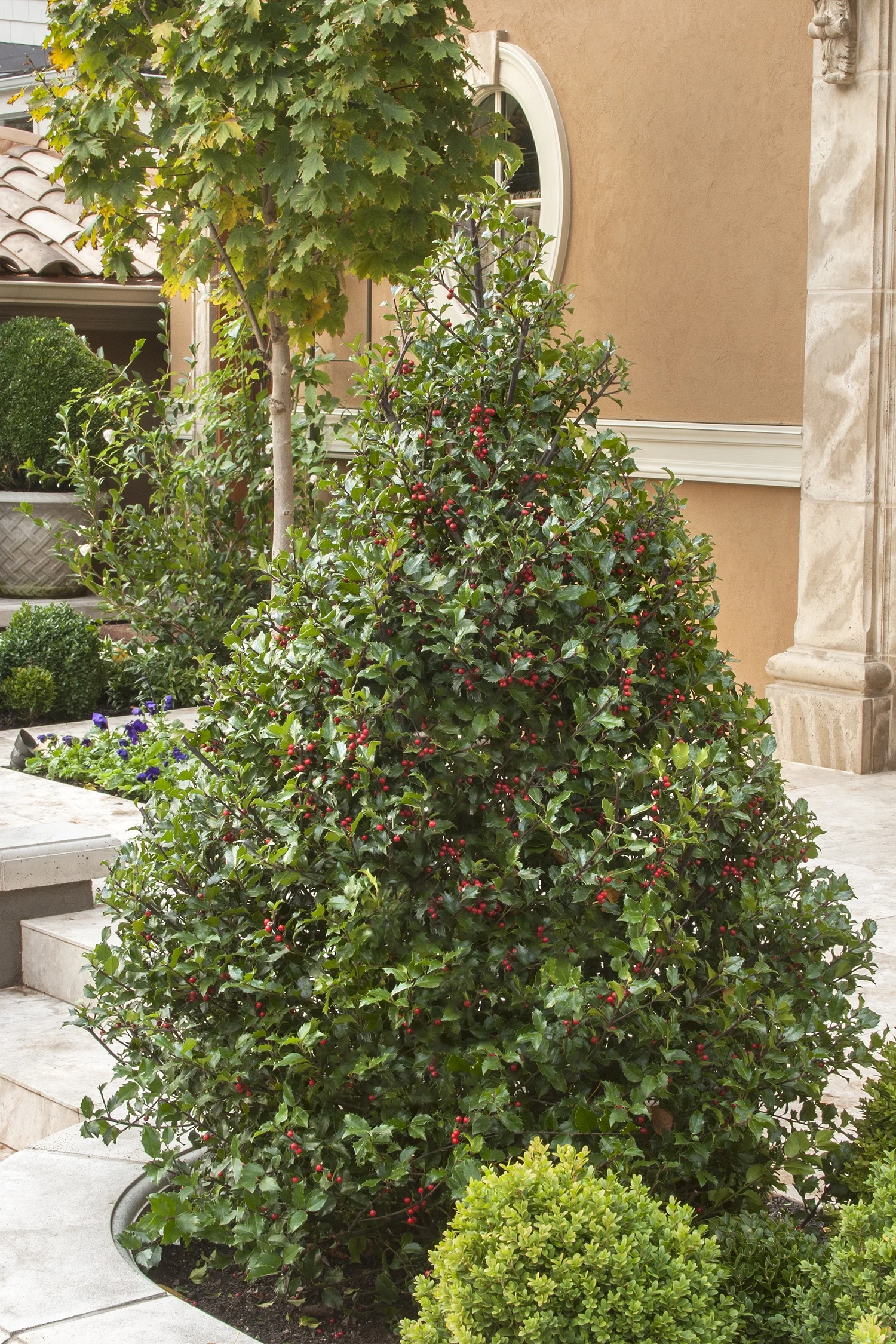
Moderate growing; reaches 6 to 8 ft. tall, 3 to 6 ft. wide.

Retailers Near You
Ready to Grow?
Ship Monrovia plants directly to your door. Browse a curated selection available online.
Shop Now >This Plant's Growing Zones: 5-9
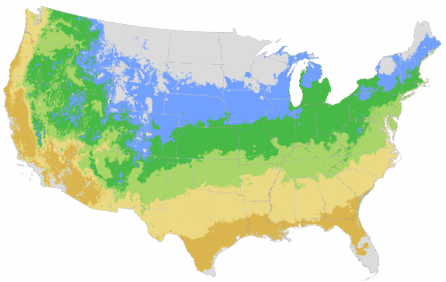
Your USDA Cold Hardiness Zone:
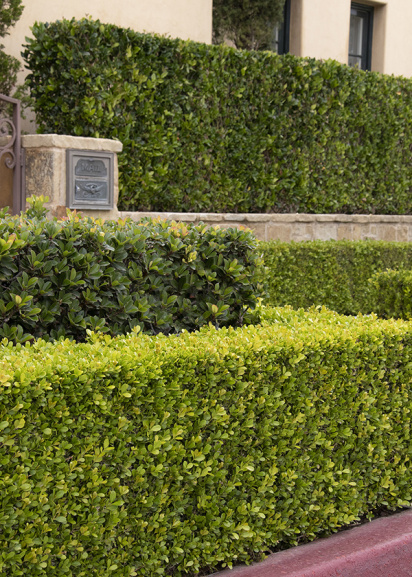
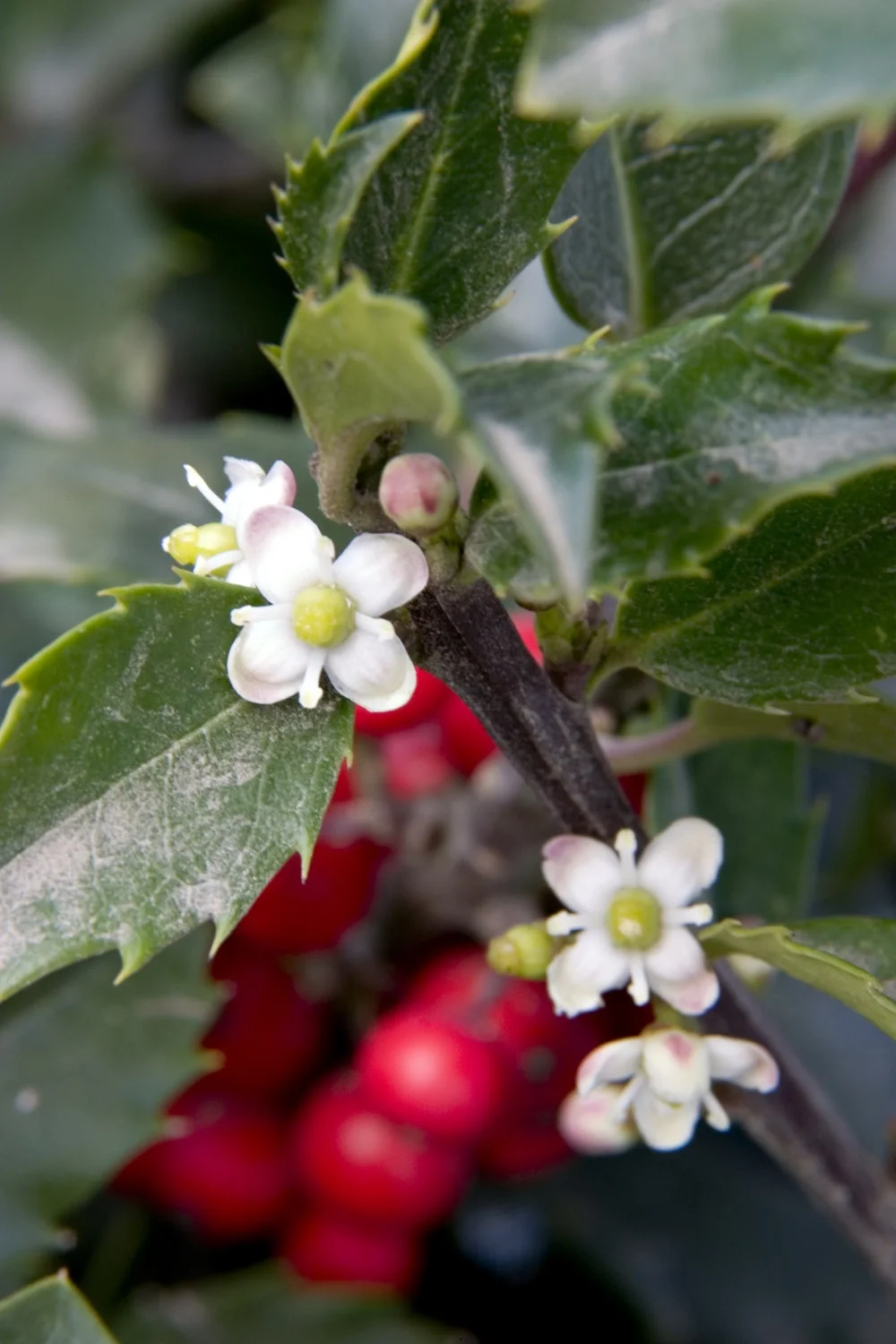
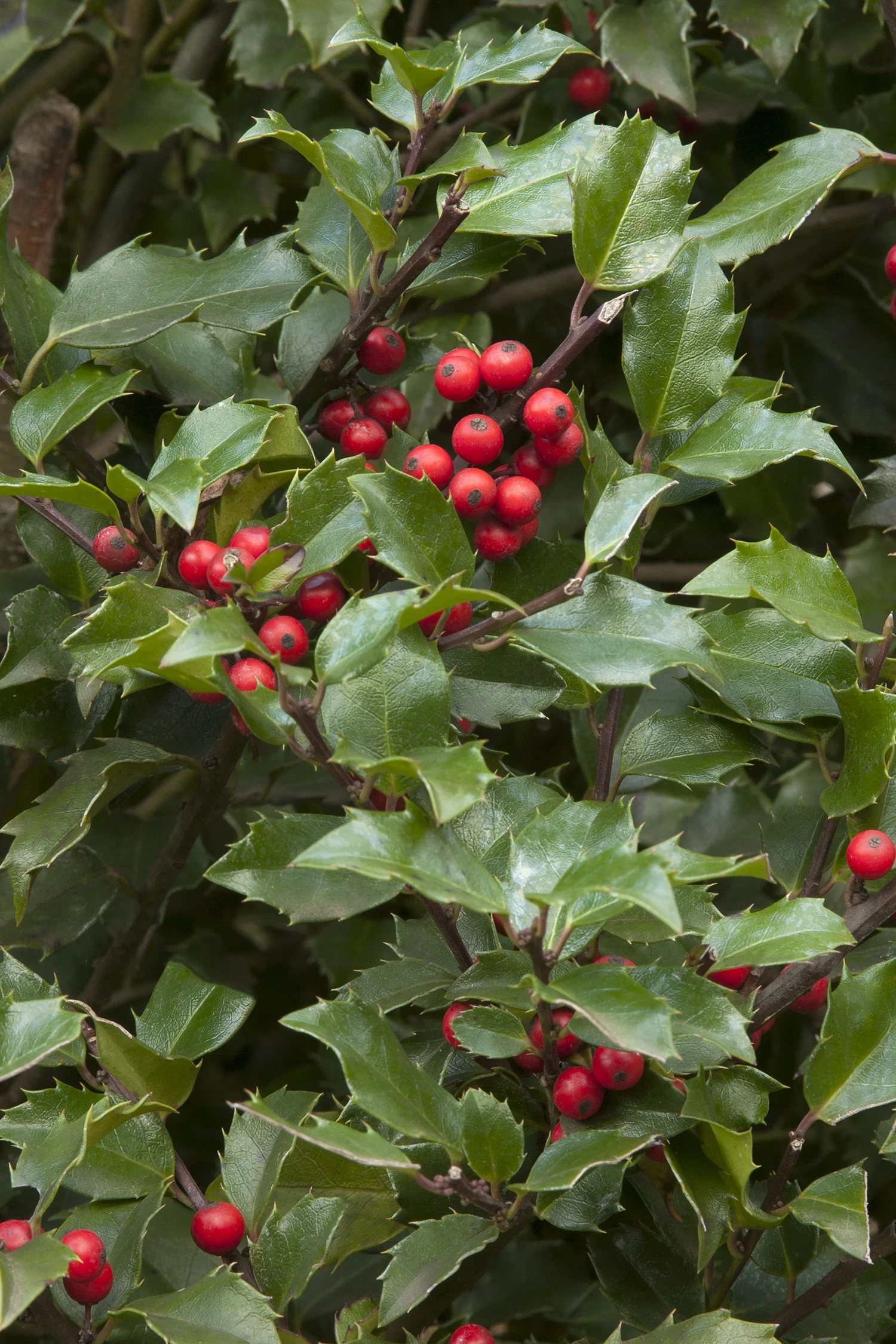
| Description | A profusion of bright red berries fall through winter is assured because a male pollenizer is planted in the same container as the fruiting female. The x meserveae species is the hardiest of the hollies with glossy, blue-green leaves and purple stems. Ideal as a landscape accent, or planted in groups as a dense hedge or screen. Evergreen. |
|---|---|
| Bloom Time | Spring |
| Deciduous/Evergreen | Evergreen |
| Special Features | Easy Care, Ornamental Berries, Pollenizer, Benefits Birds |
| Problems/Solutions | Rabbit Resistant |
| Growth Rate | Moderate |
| Growth Habit | Upright |
| Patent Act | Asexual reproduction of plants protected by the Plant Patent Act is prohibited during the life of the patent. |
| Landscape Use | Barrier, Border, Hedge, Privacy Screen |
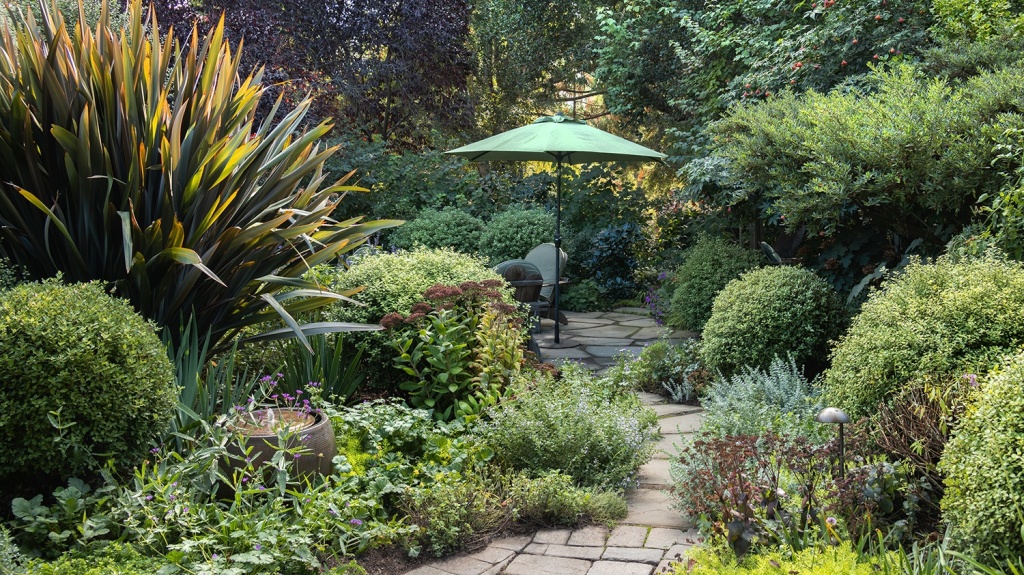
| Design Ideas | Get the fruit and pollinator in one pot for a perfect foundation plant, backdrop, hedge or screen. Plant as a single specimen that is gorgeous under snowfall, or line it up to create a dense hedge. Use to soften unsightly corners of fences or buildings, or plant at the back of shrub and perennial borders for reliable year round foliage. Perfect for holiday crafts. |
| Flower Color | White |
| Foliage Color | Blue-green |
| Companion Plants | Lily of the Valley Shrub (Pieris); Magnolia (Magnolia); Rhododendron (Rhododendron); Hydrangea (Hydrangea); Mountain Laurel (Kalmia) |
| Care Instructions | Thrives in organically rich, slightly acidic, moist, well-drained soils, but highly adaptable. Water deeply and regularly during the first growing season to establish an extensive root system. Feed with a general purpose fertilizer before new growth begins in spring. For a tidy, neat appearance, prune annually to shape. |
| History | I. x meserveae were originally bred by Mrs. Leighton Meserve of New York by using two species, I. rugosa, a cold hardy, Japanese spreading Holly, and I. aquifolium, a European tree holly that produces an abundance of berries. Holly berries are mildly toxic and will cause vomiting and diarrhea if eaten by humans. They are an extremely valuable food source to birds and other animals. |
Details
| Description | A profusion of bright red berries fall through winter is assured because a male pollenizer is planted in the same container as the fruiting female. The x meserveae species is the hardiest of the hollies with glossy, blue-green leaves and purple stems. Ideal as a landscape accent, or planted in groups as a dense hedge or screen. Evergreen. |
|---|---|
| Bloom Time | Spring |
| Deciduous/Evergreen | Evergreen |
| Special Features | Easy Care, Ornamental Berries, Pollenizer, Benefits Birds |
| Problems/Solutions | Rabbit Resistant |
| Growth Rate | Moderate |
| Growth Habit | Upright |
| Patent Act | Asexual reproduction of plants protected by the Plant Patent Act is prohibited during the life of the patent. |
Style
| Landscape Use | Barrier, Border, Hedge, Privacy Screen |
|---|---|
| Design Ideas | Get the fruit and pollinator in one pot for a perfect foundation plant, backdrop, hedge or screen. Plant as a single specimen that is gorgeous under snowfall, or line it up to create a dense hedge. Use to soften unsightly corners of fences or buildings, or plant at the back of shrub and perennial borders for reliable year round foliage. Perfect for holiday crafts. |
| Flower Color | White |
| Foliage Color | Blue-green |
| Companion Plants | Lily of the Valley Shrub (Pieris); Magnolia (Magnolia); Rhododendron (Rhododendron); Hydrangea (Hydrangea); Mountain Laurel (Kalmia) |
Care
| Care Instructions | Thrives in organically rich, slightly acidic, moist, well-drained soils, but highly adaptable. Water deeply and regularly during the first growing season to establish an extensive root system. Feed with a general purpose fertilizer before new growth begins in spring. For a tidy, neat appearance, prune annually to shape. |
|---|
History
| History | I. x meserveae were originally bred by Mrs. Leighton Meserve of New York by using two species, I. rugosa, a cold hardy, Japanese spreading Holly, and I. aquifolium, a European tree holly that produces an abundance of berries. Holly berries are mildly toxic and will cause vomiting and diarrhea if eaten by humans. They are an extremely valuable food source to birds and other animals. |
|---|
Retailers Near You
About Us
We have been pioneers and craftsmen in the art of growing plants for 100 years. Since our founding in Southern California by Harry E. Rosedale, Sr. in 1926, we have been absolutely dedicated and obsessed with quality.
We have been pioneers and craftsmen in the art of growing plants for nearly 100 years. Since our founding in Southern California by Harry E. Rosedale, Sr. in 1926, we have been absolutely dedicated and obsessed with quality.