
You're growing in this Zip Code:
Discover Plants for Your Area
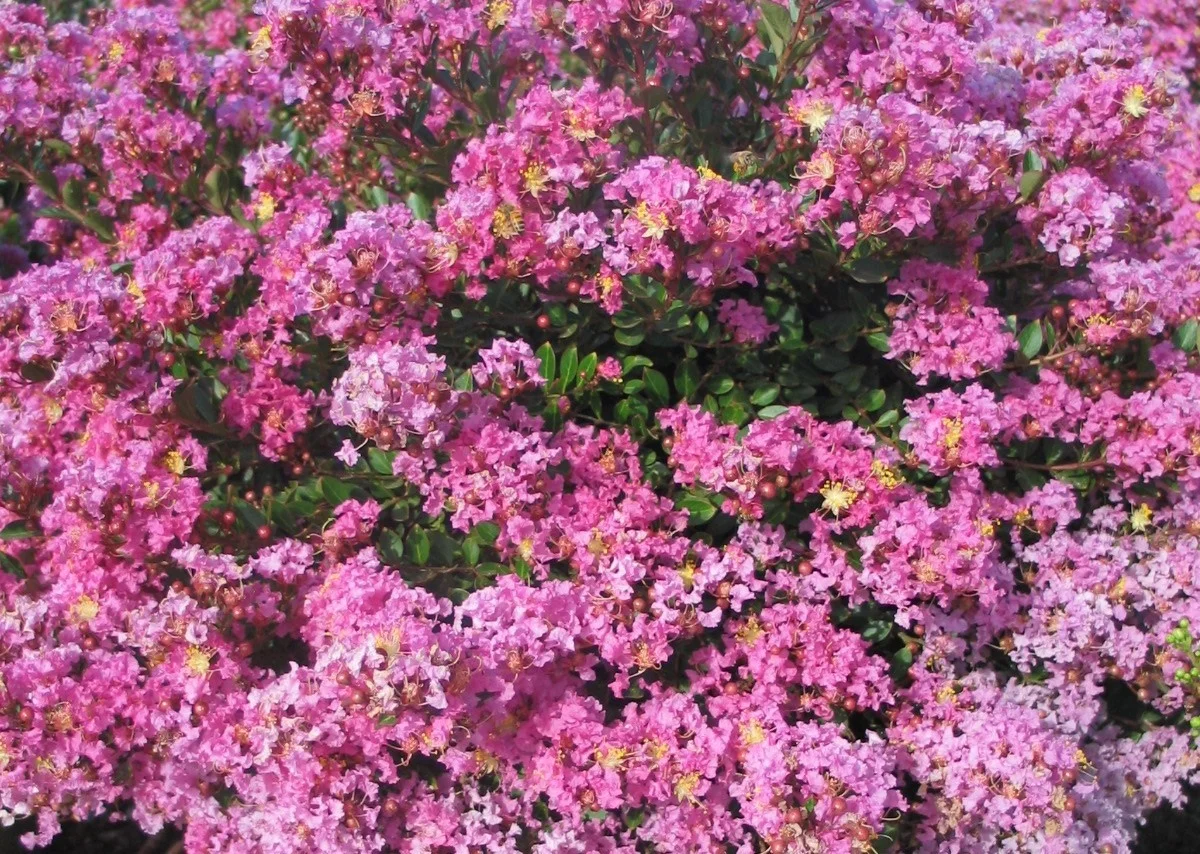
Pecos Crape Myrtle
Lagerstroemia indica x fauriei 'Pecos'
Pronunciation: la-ger-STRE-mee-a IN-dih-kuh fa-ru-EE-i
SKU #05455
LIGHT:
Full sun
WATER:
Water deeply when soil is dry.
SIZE:
Moderate growing; reaches 8 ft. tall, 6 ft. wide.

Retailers Near You
Ready to Grow?
Ship Monrovia plants directly to your door. Browse a curated selection available online.
Shop Now >This Plant's Growing Zones: 6-9
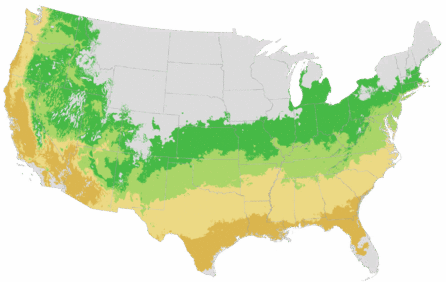
Your USDA Cold Hardiness Zone:
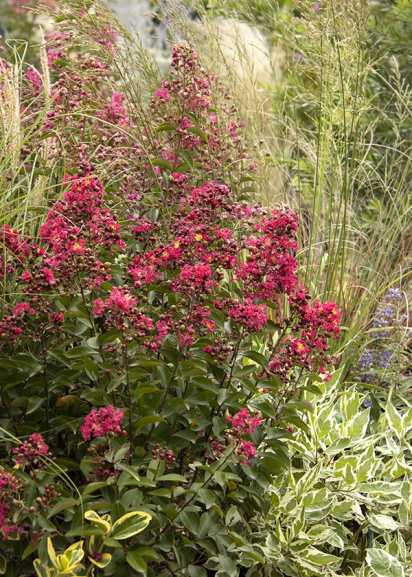
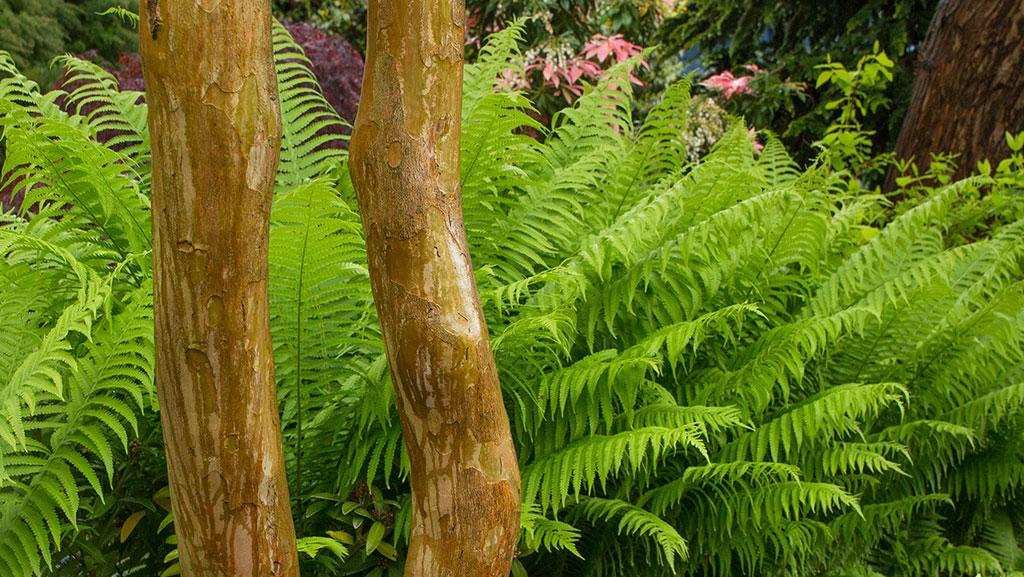
| Description | A remarkable crape myrtle that features large clear pink flower trusses, improved hardiness over other varieties, excellent mildew resistance, and attractive exfoliating bark. The glossy dark green foliage develops beautiful fall color that ranges from orange-red to a rich maroon. An excellent border plant or landscape accent. Deciduous. |
|---|---|
| Bloom Time | Midsummer through fall |
| Deciduous/Evergreen | Deciduous |
| Special Features | Attractive Bark, Easy Care, Fall Color, Improved Pest and Disease Resistance, Waterwise, Non-toxic to Cats and Dogs, Attracts Pollinators, Heat Loving |
| Problems/Solutions | Tolerates Urban Pollution |
| Growth Rate | Moderate |
| Growth Habit | Spreading |
| Flower Attributes | Showy Flowers |
| Landscape Use | Border, Container, Privacy Screen |
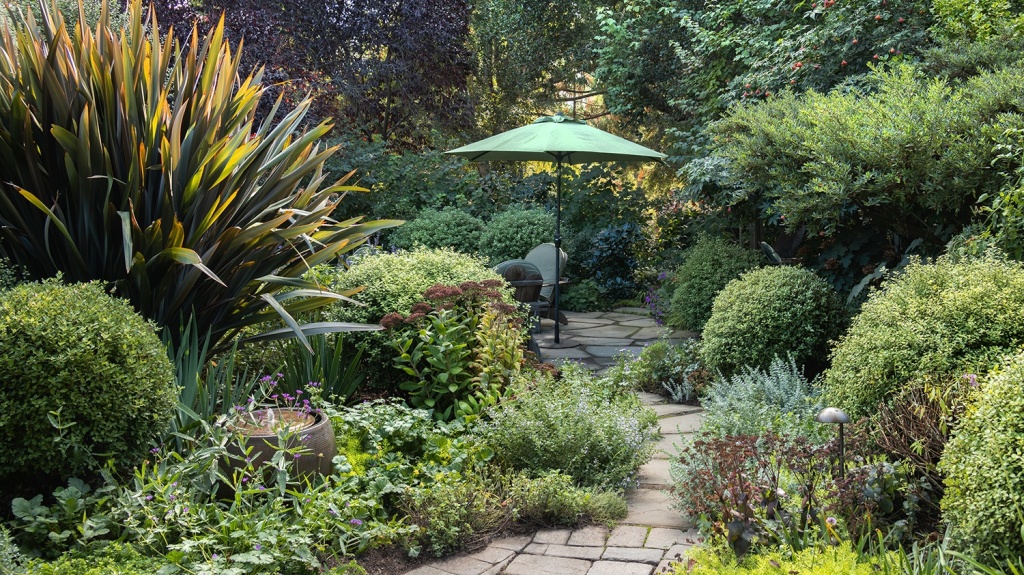
| Design Ideas | This mildew-resistant pink Crape Myrtle is among the few plants that flower profusely in late summer. It can be kept small enough to fit into city gardens as accent or cover-up. If left alone, it can mature into a large size and be used as a street tree that casts considerable shade. Can be trained as a single- or multi-trunk for a wider canopy that supports a greater number of flowers. Plant where you can enjoy its beautiful multicolored bark and sinuous branches in beds, borders, and huge ceramic pots. |
| Flower Color | Pink |
| Foliage Color | Dark Green |
| Foliage Fall Color | Red |
| Companion Plants | California Lilac (Ceanothus); Lilyturf (Liriope); False Heather (Cuphea); Agapanthus (Agapanthus); Indian Hawthorn (Rhaphiolepis); Podocarpus (Podocarpus) |
| Care Instructions | Thrives in average, well-drained soil. Water deeply, regularly during first growing season to establish an extensive root system; reduce frequency, once established. Feed in early spring. Thin young trees late winter to early spring; leave 3 to 7 main trunks or canopy branches. Remove suckers from the base of older trees. |
Details
| Description | A remarkable crape myrtle that features large clear pink flower trusses, improved hardiness over other varieties, excellent mildew resistance, and attractive exfoliating bark. The glossy dark green foliage develops beautiful fall color that ranges from orange-red to a rich maroon. An excellent border plant or landscape accent. Deciduous. |
|---|---|
| Bloom Time | Midsummer through fall |
| Deciduous/Evergreen | Deciduous |
| Special Features | Attractive Bark, Easy Care, Fall Color, Improved Pest and Disease Resistance, Waterwise, Non-toxic to Cats and Dogs, Attracts Pollinators, Heat Loving |
| Problems/Solutions | Tolerates Urban Pollution |
| Growth Rate | Moderate |
| Growth Habit | Spreading |
| Flower Attributes | Showy Flowers |
Style
| Landscape Use | Border, Container, Privacy Screen |
|---|---|
| Design Ideas | This mildew-resistant pink Crape Myrtle is among the few plants that flower profusely in late summer. It can be kept small enough to fit into city gardens as accent or cover-up. If left alone, it can mature into a large size and be used as a street tree that casts considerable shade. Can be trained as a single- or multi-trunk for a wider canopy that supports a greater number of flowers. Plant where you can enjoy its beautiful multicolored bark and sinuous branches in beds, borders, and huge ceramic pots. |
| Flower Color | Pink |
| Foliage Color | Dark Green |
| Foliage Fall Color | Red |
| Companion Plants | California Lilac (Ceanothus); Lilyturf (Liriope); False Heather (Cuphea); Agapanthus (Agapanthus); Indian Hawthorn (Rhaphiolepis); Podocarpus (Podocarpus) |
Care
| Care Instructions | Thrives in average, well-drained soil. Water deeply, regularly during first growing season to establish an extensive root system; reduce frequency, once established. Feed in early spring. Thin young trees late winter to early spring; leave 3 to 7 main trunks or canopy branches. Remove suckers from the base of older trees. |
|---|
Retailers Near You
About Us
We have been pioneers and craftsmen in the art of growing plants for 100 years. Since our founding in Southern California by Harry E. Rosedale, Sr. in 1926, we have been absolutely dedicated and obsessed with quality.
We have been pioneers and craftsmen in the art of growing plants for nearly 100 years. Since our founding in Southern California by Harry E. Rosedale, Sr. in 1926, we have been absolutely dedicated and obsessed with quality.