
You're growing in this Zip Code:
Discover Plants for Your Area
Tangerine™ Spreading Lantana
Lantana x 'Mone'
Pronunciation: lan-TAY-na
SKU #05720
LIGHT:
Full sun
WATER:
Water deeply when soil is dry.
SIZE:
Moderate growing; reaches 2 to 3 ft. tall, 6 to 8 ft. wide.

Retailers Near You
Ready to Grow?
Ship Monrovia plants directly to your door. Browse a curated selection available online.
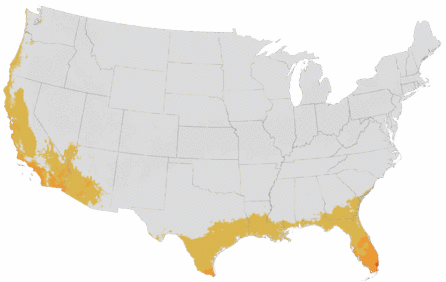
Shop Now >This Plant's Growing Zones: 9-11
Your USDA Cold Hardiness Zone:
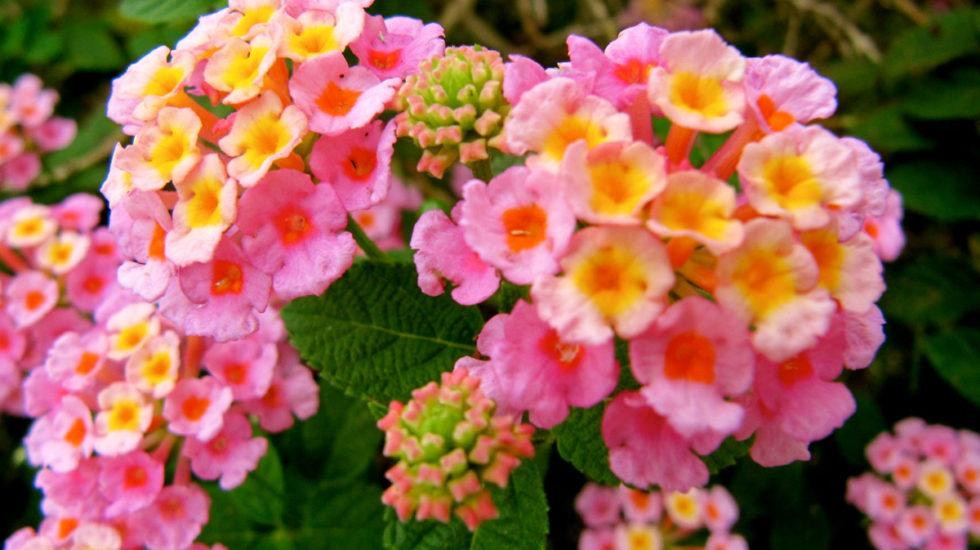
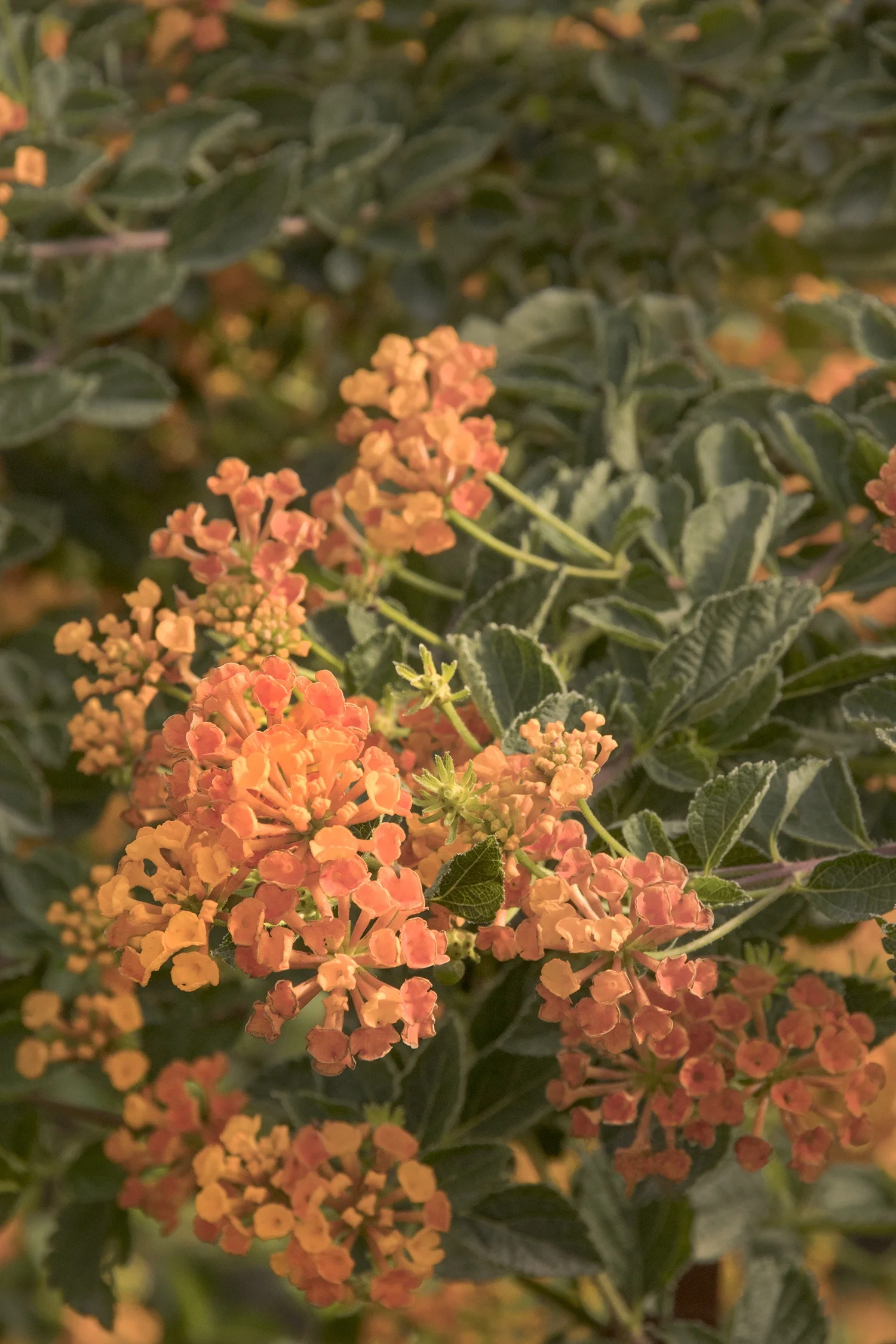
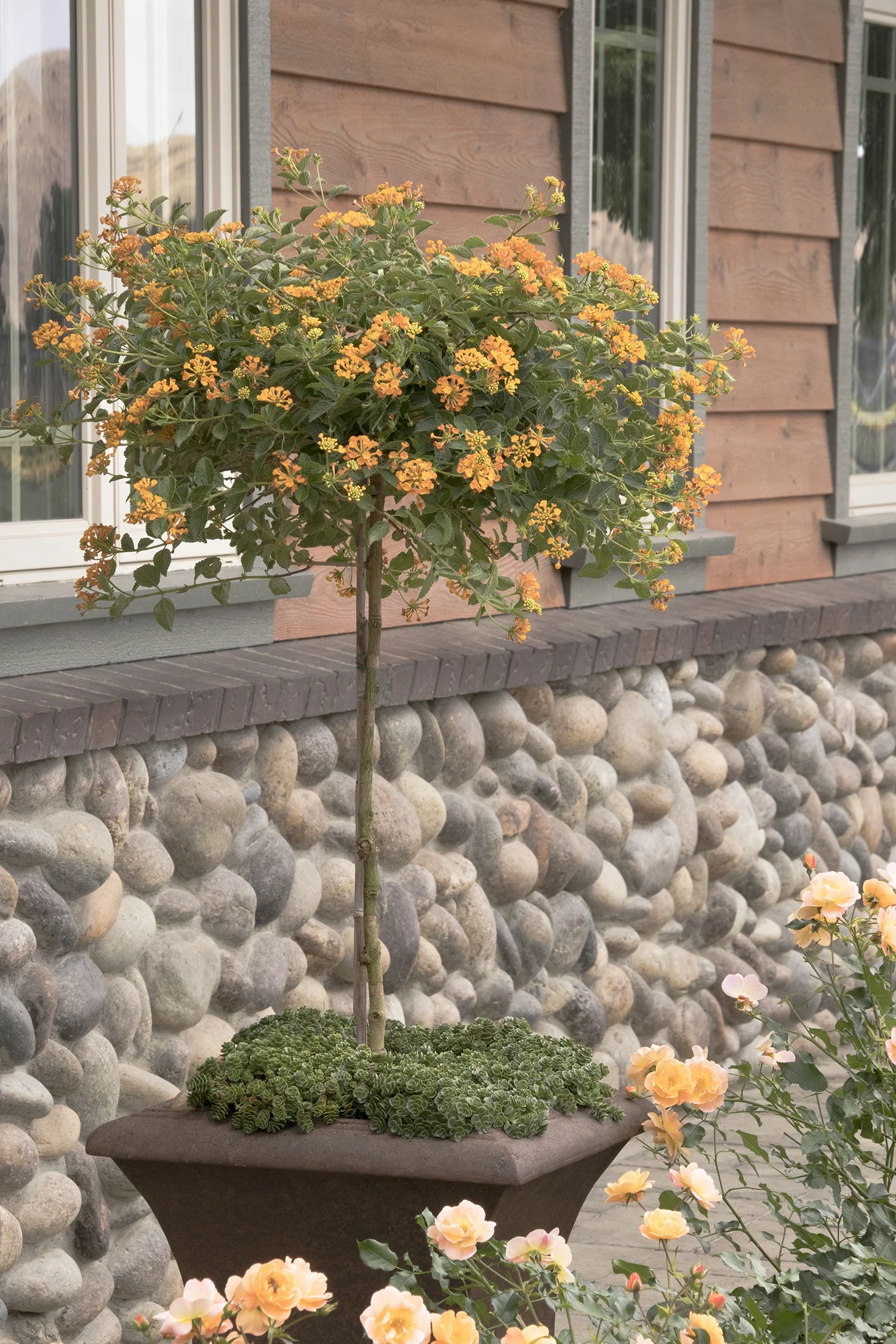
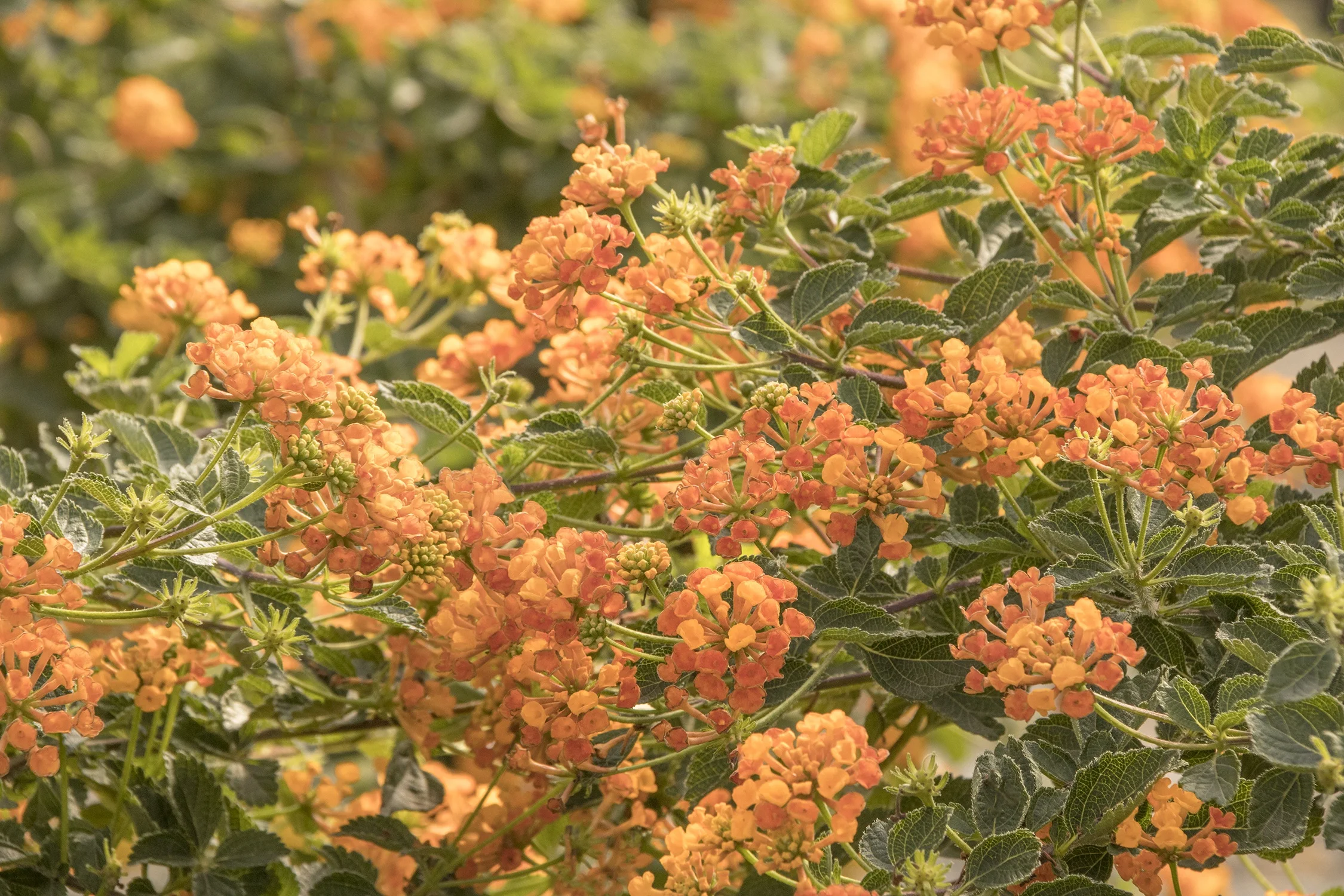
| Description | Profuse, bright tangerine-colored flowers on a beautiful spreading habit, useful in natural form to brighten flower beds, or mass as a ground cover or low hedge. Topiary forms are perfect for accenting a border or displaying in containers at an entry or patio. Tolerates heat and drought. Evergreen in frost-free areas; treat as an annual elsewhere. |
|---|---|
| Bloom Time | Spring and summer; longer in frost-free areas |
| Deciduous/Evergreen | Evergreen |
| Special Features | Attracts Hummingbirds, Easy Care, Waterwise, Attracts Pollinators, Heat Loving, Benefits Birds |
| Problems/Solutions | Coastal Exposure, Deer Resistant, Erosion Control, Tolerates Urban Pollution |
| Growth Rate | Moderate |
| Growth Habit | Spreading |
| Flower Attributes | Long Bloom Season, Showy Flowers |
| Landscape Use | Border, Container, Hedge, Ground Cover, Hillside |
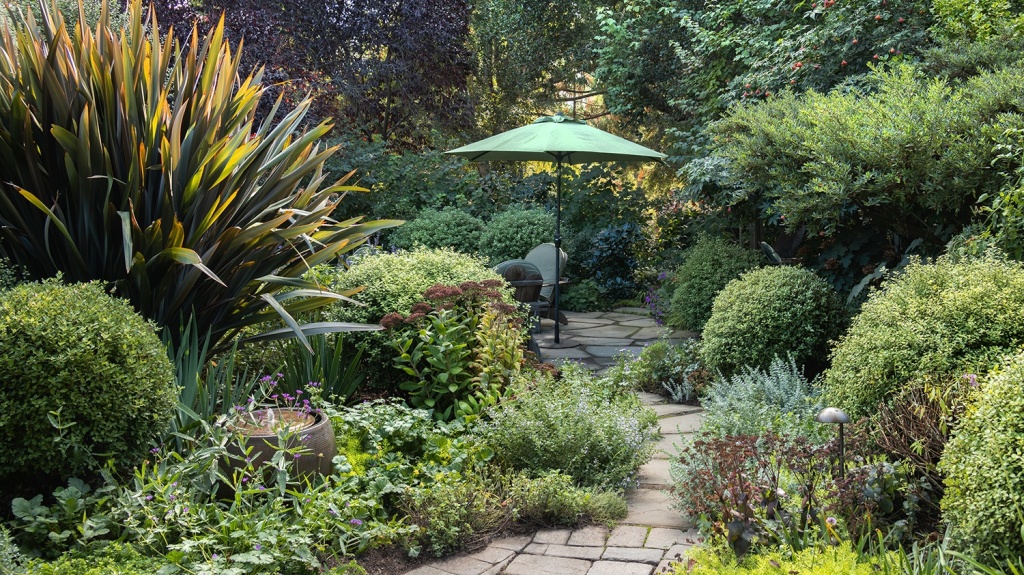
| Design Ideas | Use this lantana's juicy tangerine color as an accent plant in a garden of more standard colors, or to alleviate a lot of green. Tumble its spreading form down banks and over walls, or make it into a thick hedge to direct traffic. Thrives in a container to brighten a deck or patio. |
| Flower Color | Orange |
| Foliage Color | Green |
| Companion Plants | Hibiscus (Hibiscus); Jatropha (Jatropha); Heliotrope (Heliotrope); Cordyline (Cordyline); Salvia (Salvia) |
| Care Instructions | Thrives in average, well-drained soils. Water deeply, regularly in first growing season to establish root system. Once established in the landscape, reduce frequency; continue to water container plants regularly. Space 3 to 5 ft. apart as groundcover. Fertilize in spring. Remove spent flowers for a tidy appearance. Prune topiary form regularly to maintain size and shape. |
| History | Common spreading Lantana (Lantana camera) is native to Central and South America. It was brought to Australia and the Pacific region as an ornamental plant in the 1840's. Lantana is considered invasive in many parts of the world where it has naturalized. The leaves are poisonous to animals, but the berries are a delicacy to many bird species. |
Details
| Description | Profuse, bright tangerine-colored flowers on a beautiful spreading habit, useful in natural form to brighten flower beds, or mass as a ground cover or low hedge. Topiary forms are perfect for accenting a border or displaying in containers at an entry or patio. Tolerates heat and drought. Evergreen in frost-free areas; treat as an annual elsewhere. |
|---|---|
| Bloom Time | Spring and summer; longer in frost-free areas |
| Deciduous/Evergreen | Evergreen |
| Special Features | Attracts Hummingbirds, Easy Care, Waterwise, Attracts Pollinators, Heat Loving, Benefits Birds |
| Problems/Solutions | Coastal Exposure, Deer Resistant, Erosion Control, Tolerates Urban Pollution |
| Growth Rate | Moderate |
| Growth Habit | Spreading |
| Flower Attributes | Long Bloom Season, Showy Flowers |
Style
| Landscape Use | Border, Container, Hedge, Ground Cover, Hillside |
|---|---|
| Design Ideas | Use this lantana's juicy tangerine color as an accent plant in a garden of more standard colors, or to alleviate a lot of green. Tumble its spreading form down banks and over walls, or make it into a thick hedge to direct traffic. Thrives in a container to brighten a deck or patio. |
| Flower Color | Orange |
| Foliage Color | Green |
| Companion Plants | Hibiscus (Hibiscus); Jatropha (Jatropha); Heliotrope (Heliotrope); Cordyline (Cordyline); Salvia (Salvia) |
Care
| Care Instructions | Thrives in average, well-drained soils. Water deeply, regularly in first growing season to establish root system. Once established in the landscape, reduce frequency; continue to water container plants regularly. Space 3 to 5 ft. apart as groundcover. Fertilize in spring. Remove spent flowers for a tidy appearance. Prune topiary form regularly to maintain size and shape. |
|---|
History
| History | Common spreading Lantana (Lantana camera) is native to Central and South America. It was brought to Australia and the Pacific region as an ornamental plant in the 1840's. Lantana is considered invasive in many parts of the world where it has naturalized. The leaves are poisonous to animals, but the berries are a delicacy to many bird species. |
|---|
Retailers Near You
About Us
We have been pioneers and craftsmen in the art of growing plants for 100 years. Since our founding in Southern California by Harry E. Rosedale, Sr. in 1926, we have been absolutely dedicated and obsessed with quality.
We have been pioneers and craftsmen in the art of growing plants for nearly 100 years. Since our founding in Southern California by Harry E. Rosedale, Sr. in 1926, we have been absolutely dedicated and obsessed with quality.