
You're growing in this Zip Code:
Change LocationDiscover Plants for Your Area
Texas Mountain Laurel
Sophora secundiflora
Pronunciation: so-FOH-ruh see-kun-di-FLOR-uh
SKU #07100
LIGHT:
Full sun
WATER:
Once established, water deeply when dry.
SIZE:
Slow growing; reaches 15 to 20 ft. tall, 10 to 15 ft. wide.

Retailers Near You
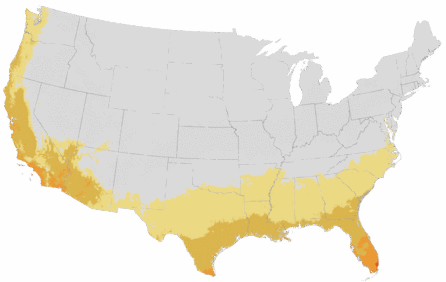

| Description | Fragrant violet-blue flowers in terminal clusters create a wonderful display in spring against the backdrop of shiny dark green foliage. This multi-stemmed evergreen is excellent for use as a large shrub or small tree. Slow growing and easily trained as espalier or a patio tree. This desert native thrives in warm, sunny, arid environments. |
|---|---|
| Bloom Time | Spring |
| Deciduous/Evergreen | Evergreen |
| Special Features | Easy Care, Improved Pest and Disease Resistance, Waterwise, North American Native, Attracts Pollinators |
| Problems/Solutions | Coastal Exposure, Deer Resistant, Rabbit Resistant, Drought Tolerant |
| Growth Rate | Slow |
| Flower Attributes | Fragrant, Showy Flowers |
| Landscape Use | Border, Container, Espalier, Windbreak |
| Design Ideas | A lovely small tree, sometimes multi-trunked, that can be used in the sunny patio or at a front entryway where its fragrant spring blossoms can be used to full effect. |
| Flower Color | Blue |
| Foliage Color | Green |
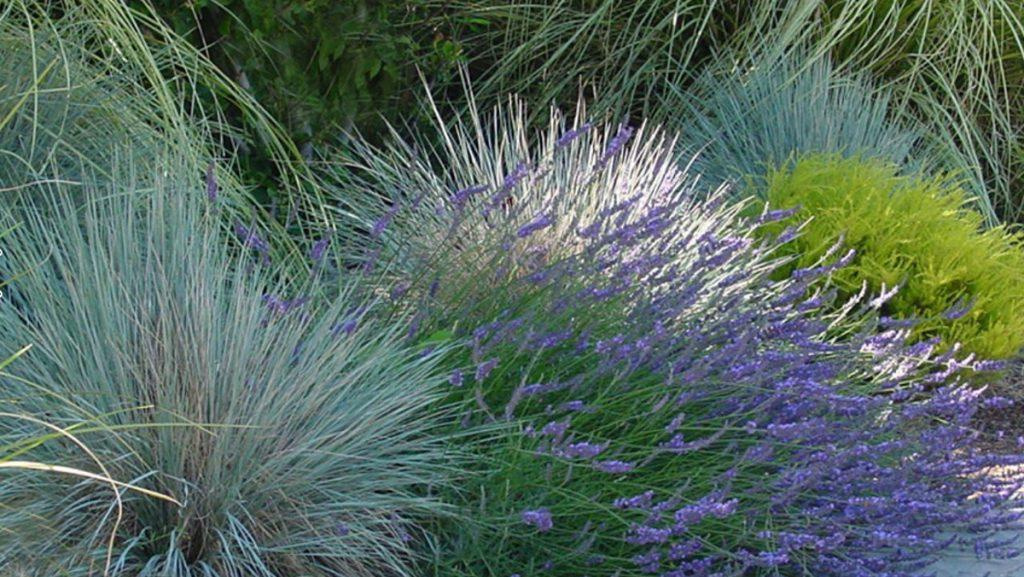
| Companion Plants | Verbena (Verbena); Rock Rose (Cistus); Yarrow (Achillea); Sedum (Sedum); Lantana (Lantana) |
| Care Instructions | Thrives in average to lean, loose, fast-draining, slightly alkaline soil with gravel mulch. Water regularly during first few growing seasons to establish the root system. Once established, reduce frequency; tolerates seasonal drought. Apply fertilizer before new growth begins in spring. Prune annually to maintain desired size and form. |
| History | This plant is native to a large range of the desert southwest including Texas, New Mexico and Old Mexico. Its genus was named from the Arabic for pea-shaped flowers. Slow growth means plants are more expensive. |
| Lore | This tree was known in its region as the mescal bean or frijolito, although the bean like seeds were never eaten by Native Americans who preferred to use them as decorative beads. |
Details
| Description | Fragrant violet-blue flowers in terminal clusters create a wonderful display in spring against the backdrop of shiny dark green foliage. This multi-stemmed evergreen is excellent for use as a large shrub or small tree. Slow growing and easily trained as espalier or a patio tree. This desert native thrives in warm, sunny, arid environments. |
|---|---|
| Bloom Time | Spring |
| Deciduous/Evergreen | Evergreen |
| Special Features | Easy Care, Improved Pest and Disease Resistance, Waterwise, North American Native, Attracts Pollinators |
| Problems/Solutions | Coastal Exposure, Deer Resistant, Rabbit Resistant, Drought Tolerant |
| Growth Rate | Slow |
| Flower Attributes | Fragrant, Showy Flowers |
Style
| Landscape Use | Border, Container, Espalier, Windbreak |
|---|---|
| Design Ideas | A lovely small tree, sometimes multi-trunked, that can be used in the sunny patio or at a front entryway where its fragrant spring blossoms can be used to full effect. |
| Flower Color | Blue |
| Foliage Color | Green |
| Companion Plants | Verbena (Verbena); Rock Rose (Cistus); Yarrow (Achillea); Sedum (Sedum); Lantana (Lantana) |
Care
| Care Instructions | Thrives in average to lean, loose, fast-draining, slightly alkaline soil with gravel mulch. Water regularly during first few growing seasons to establish the root system. Once established, reduce frequency; tolerates seasonal drought. Apply fertilizer before new growth begins in spring. Prune annually to maintain desired size and form. |
|---|
History
| History | This plant is native to a large range of the desert southwest including Texas, New Mexico and Old Mexico. Its genus was named from the Arabic for pea-shaped flowers. Slow growth means plants are more expensive. |
|---|---|
| Lore | This tree was known in its region as the mescal bean or frijolito, although the bean like seeds were never eaten by Native Americans who preferred to use them as decorative beads. |
Retailers Near You
About Us
We have been pioneers and craftsmen in the art of growing plants for 100 years. Since our founding in Southern California by Harry E. Rosedale, Sr. in 1926, we have been absolutely dedicated and obsessed with quality.
We have been pioneers and craftsmen in the art of growing plants for nearly 100 years. Since our founding in Southern California by Harry E. Rosedale, Sr. in 1926, we have been absolutely dedicated and obsessed with quality.