
You're growing in this Zip Code:
Discover Plants for Your Area
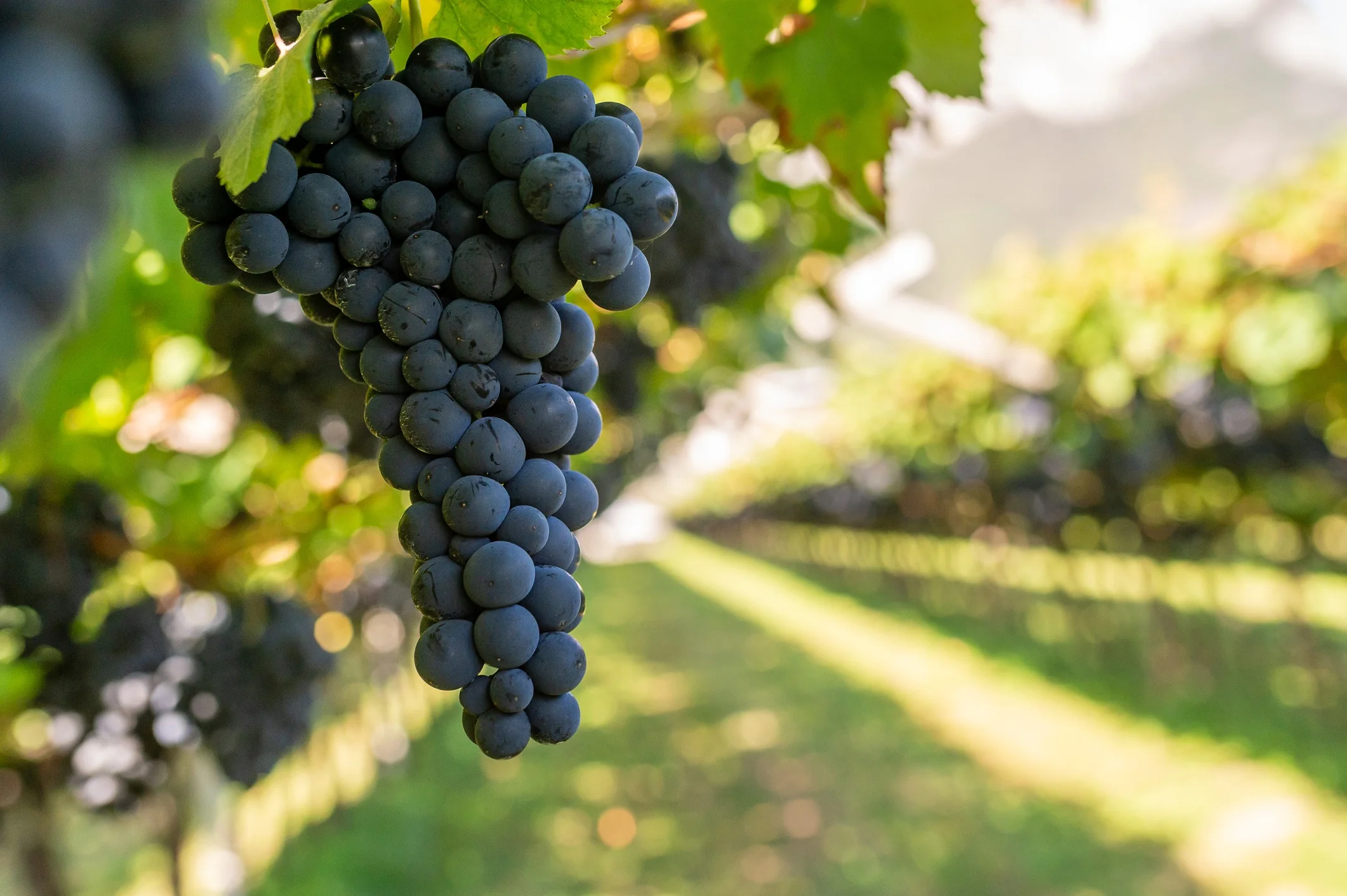
Eastern Concord Grape
Vitis labrusca 'Eastern Concord'
Pronunciation: VI-tis luh-BRUS-kuh
SKU #07622
LIGHT:
Full sun
WATER:
Water when top 2 inches of soil is dry.
SIZE:
Fast growing vine; grows 20 to 25 ft. each year.

Retailers Near You
Ready to Grow?
Ship Monrovia plants directly to your door. Browse a curated selection available online.
Shop Now >This Plant's Growing Zones: 4-8
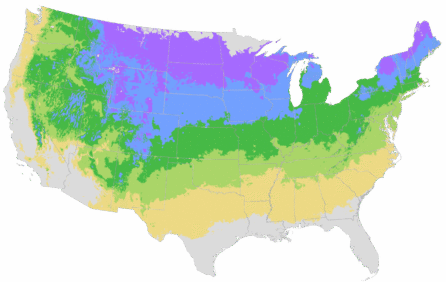
Your USDA Cold Hardiness Zone:
| Description | A vigorous deciduous vine with bold-textured, deep green foliage. Grown for its medium-size clusters of edible, highly aromatic, blue-black grapes. Harvest late August to September. Skin separates easily from the fruit. This twining vine works well as a screen for arbors or trailing along fences. |
|---|---|
| Bloom Time | Inconspicuous; prized for fruit and foliage. |
| Deciduous/Evergreen | Deciduous |
| Special Features | Fall Color, Showy Fruit, Waterwise, Edible, Fast Growing, Benefits Birds |
| Growth Rate | Fast |
| Growth Habit | Climbing |
| Landscape Use | Espalier, Privacy Screen |
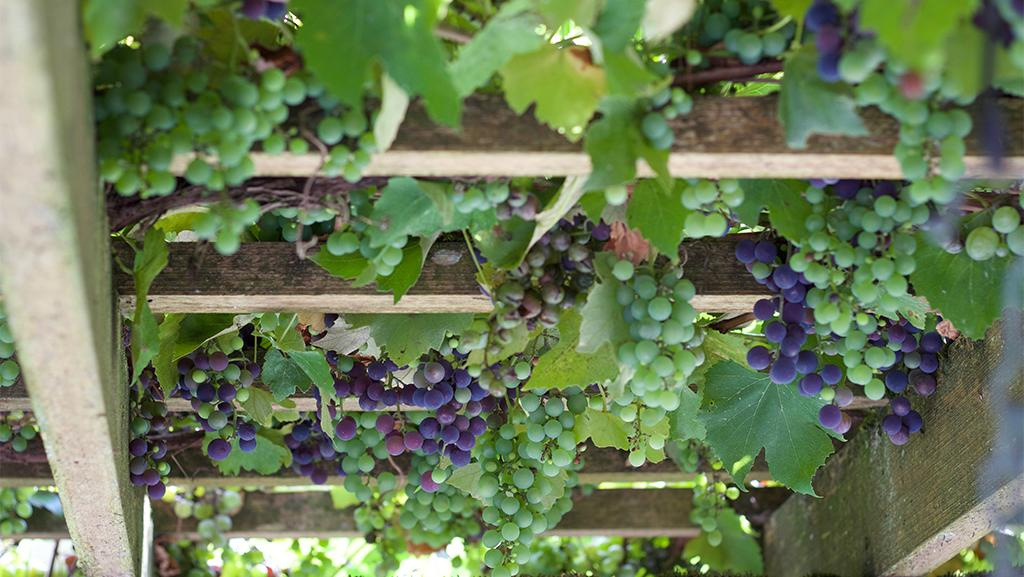
| Design Ideas | Grapes can grow wherever there is direct sun and sufficient air circulation. They're traditionally trained overhead onto shade arbors over outdoor living spaces. Also popular for training along fence lines and up over arbor gateways. May be cultivated on standard wire trellis used in commercial vineyards. |
| Flower Color | Green |
| Foliage Color | Green |
| Foliage Fall Color | Red |
| Companion Plants | Raspberry (Rubus); Rosemary (Rosmarinus); Lavender (Lavandula); Rose (Rosa); Fig (Ficus) |
| Care Instructions | Easily grown in deep, loamy, humus-rich, well-drained soil, but quite adaptable. Water deeply, regularly in first growing season to establish root system; once established, reduce frequency. Fertilize every 6 to 8 weeks until midsummer. Provide trellis or arbor support. Prune annually in winter to control size. |
| History | The European grape, Vitis vinifera is age old but limited to warm climates with a long growing season. To expand cultivation into northern states, breeders began working with a wild American native, V. labrusca which matured over a much shorter season. It is native from New England to Georgia with widespread adaptability in more humid climates. It was crossed with the European to produce the Concord grape and then this variety followed for home gardens. |
| Lore | It is believed that the European grape originated in Asia Minor, probably around Turkey, from a wild plant that produced small fruit. Over millennia it was selected for ever larger fruit to eventually produce the array of wine grapes cultivated today. |
Details
| Description | A vigorous deciduous vine with bold-textured, deep green foliage. Grown for its medium-size clusters of edible, highly aromatic, blue-black grapes. Harvest late August to September. Skin separates easily from the fruit. This twining vine works well as a screen for arbors or trailing along fences. |
|---|---|
| Bloom Time | Inconspicuous; prized for fruit and foliage. |
| Deciduous/Evergreen | Deciduous |
| Special Features | Fall Color, Showy Fruit, Waterwise, Edible, Fast Growing, Benefits Birds |
| Growth Rate | Fast |
| Growth Habit | Climbing |
Style
| Landscape Use | Espalier, Privacy Screen |
|---|---|
| Design Ideas | Grapes can grow wherever there is direct sun and sufficient air circulation. They're traditionally trained overhead onto shade arbors over outdoor living spaces. Also popular for training along fence lines and up over arbor gateways. May be cultivated on standard wire trellis used in commercial vineyards. |
| Flower Color | Green |
| Foliage Color | Green |
| Foliage Fall Color | Red |
| Companion Plants | Raspberry (Rubus); Rosemary (Rosmarinus); Lavender (Lavandula); Rose (Rosa); Fig (Ficus) |
Care
| Care Instructions | Easily grown in deep, loamy, humus-rich, well-drained soil, but quite adaptable. Water deeply, regularly in first growing season to establish root system; once established, reduce frequency. Fertilize every 6 to 8 weeks until midsummer. Provide trellis or arbor support. Prune annually in winter to control size. |
|---|
History
| History | The European grape, Vitis vinifera is age old but limited to warm climates with a long growing season. To expand cultivation into northern states, breeders began working with a wild American native, V. labrusca which matured over a much shorter season. It is native from New England to Georgia with widespread adaptability in more humid climates. It was crossed with the European to produce the Concord grape and then this variety followed for home gardens. |
|---|---|
| Lore | It is believed that the European grape originated in Asia Minor, probably around Turkey, from a wild plant that produced small fruit. Over millennia it was selected for ever larger fruit to eventually produce the array of wine grapes cultivated today. |
Retailers Near You
About Us
We have been pioneers and craftsmen in the art of growing plants for 100 years. Since our founding in Southern California by Harry E. Rosedale, Sr. in 1926, we have been absolutely dedicated and obsessed with quality.
We have been pioneers and craftsmen in the art of growing plants for nearly 100 years. Since our founding in Southern California by Harry E. Rosedale, Sr. in 1926, we have been absolutely dedicated and obsessed with quality.