
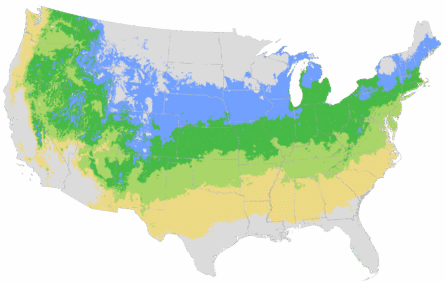
You're growing in this Zip Code:
Change LocationDiscover Plants for Your Area
Mountain Fire Pieris
Pieris japonica 'Mountain Fire'
Pronunciation: PY-er-iss juh-PON-ih-kuh
SKU #06520
LIGHT:
Filtered sun, Partial shade, Partial sun
WATER:
Keep soil moist, but not soggy.
SIZE:
Slow growing; reaches 6 to 10 ft. tall and wide.

Retailers Near You
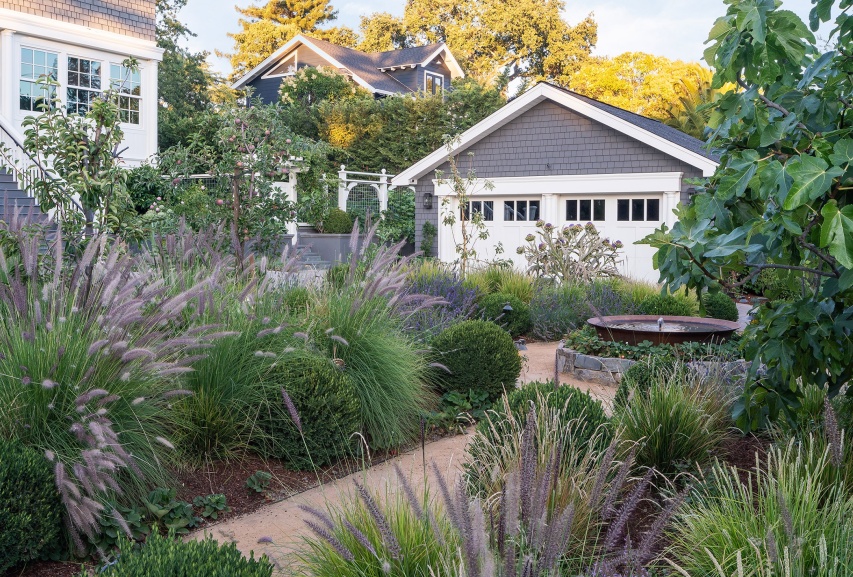
| Description | Fiery red new growth rises from the lustrous evergreen foliage then ages to a deep green. Profuse, broad, drooping clusters of white flowers cool the flames, creating a breathtaking spring show. An ideal shrub for use in a foundation planting or landscape groupings, and an excellent companion shrub for azaleas. |
|---|---|
| Bloom Time | Spring |
| Deciduous/Evergreen | Evergreen |
| Special Features | Dramatic Foliage Color |
| Problems/Solutions | Deer Resistant |
| Growth Rate | Slow |
| Flower Attributes | Showy Flowers |
| Landscape Use | Border, Hedge |
| Design Ideas | This Pieris is a bold colored plant for partially shaded gardens. It thrives in natural woodland settings. An excellent background plant with conifers in Japanese tea gardens. A great solution for the damp, acidic soil conditions in the Pacific Northwest. Bright foliage color and charming flowers makes it a suitable accent plant for condo and town-house patios, city gardens and courtyards. Valuable foundation plant on north and eastern exposures. Once matured, it can be used as a side-yard privacy screen. |
| Flower Color | White |
| Foliage Color | Green |
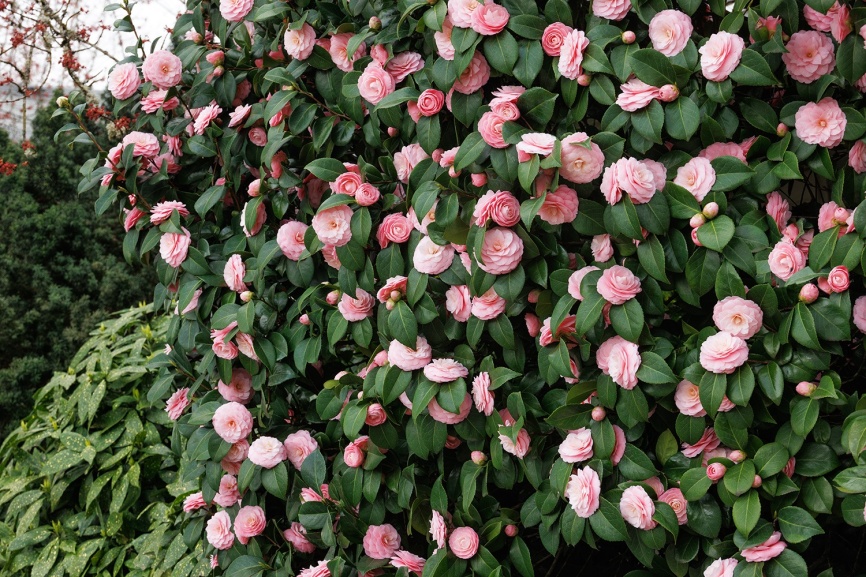
| Companion Plants | Rhododendron (Rhododendron); Holly (Ilex); Camellia (Camellia); Oregon Grape Holly (Mahonia); Mountain Laurel (Kalmia) |
| Care Instructions | Provide organically rich, slightly acidic, evenly moist, well-drained soil, with protection from harsh winds. Thrives in dappled shade. Water deeply and regularly during the first growing season to establish an extensive root system. Keep roots cool with a thick layer of mulch. Feed with an acid fertilizer after bloom. |
| History | This is a genus of Ericaceous flowering plants from Asia and North America, classified in 1834 by David Don, 1799-1841. He named the genus after the Pierides or nine muses of mythology The parent species is P. japonica, introduced in 1784 as Andromeda japonica. The plant was first collected and described by noted physician Carl Thunberg while working for the Dutch East India Company in Japan. Plants are native to eastern China and Taiwan as well. It was introduced under P. japonica to the west in England by 1870 as the most cold hardy of all species. This and many of the P. japonica varieties likely include P. formosa for color and P. floribunda in their family tree. |
Details
| Description | Fiery red new growth rises from the lustrous evergreen foliage then ages to a deep green. Profuse, broad, drooping clusters of white flowers cool the flames, creating a breathtaking spring show. An ideal shrub for use in a foundation planting or landscape groupings, and an excellent companion shrub for azaleas. |
|---|---|
| Bloom Time | Spring |
| Deciduous/Evergreen | Evergreen |
| Special Features | Dramatic Foliage Color |
| Problems/Solutions | Deer Resistant |
| Growth Rate | Slow |
| Flower Attributes | Showy Flowers |
Style
| Landscape Use | Border, Hedge |
|---|---|
| Design Ideas | This Pieris is a bold colored plant for partially shaded gardens. It thrives in natural woodland settings. An excellent background plant with conifers in Japanese tea gardens. A great solution for the damp, acidic soil conditions in the Pacific Northwest. Bright foliage color and charming flowers makes it a suitable accent plant for condo and town-house patios, city gardens and courtyards. Valuable foundation plant on north and eastern exposures. Once matured, it can be used as a side-yard privacy screen. |
| Flower Color | White |
| Foliage Color | Green |
| Companion Plants | Rhododendron (Rhododendron); Holly (Ilex); Camellia (Camellia); Oregon Grape Holly (Mahonia); Mountain Laurel (Kalmia) |
Care
| Care Instructions | Provide organically rich, slightly acidic, evenly moist, well-drained soil, with protection from harsh winds. Thrives in dappled shade. Water deeply and regularly during the first growing season to establish an extensive root system. Keep roots cool with a thick layer of mulch. Feed with an acid fertilizer after bloom. |
|---|
History
| History | This is a genus of Ericaceous flowering plants from Asia and North America, classified in 1834 by David Don, 1799-1841. He named the genus after the Pierides or nine muses of mythology The parent species is P. japonica, introduced in 1784 as Andromeda japonica. The plant was first collected and described by noted physician Carl Thunberg while working for the Dutch East India Company in Japan. Plants are native to eastern China and Taiwan as well. It was introduced under P. japonica to the west in England by 1870 as the most cold hardy of all species. This and many of the P. japonica varieties likely include P. formosa for color and P. floribunda in their family tree. |
|---|
Retailers Near You
About Us
We have been pioneers and craftsmen in the art of growing plants for 100 years. Since our founding in Southern California by Harry E. Rosedale, Sr. in 1926, we have been absolutely dedicated and obsessed with quality.
We have been pioneers and craftsmen in the art of growing plants for nearly 100 years. Since our founding in Southern California by Harry E. Rosedale, Sr. in 1926, we have been absolutely dedicated and obsessed with quality.